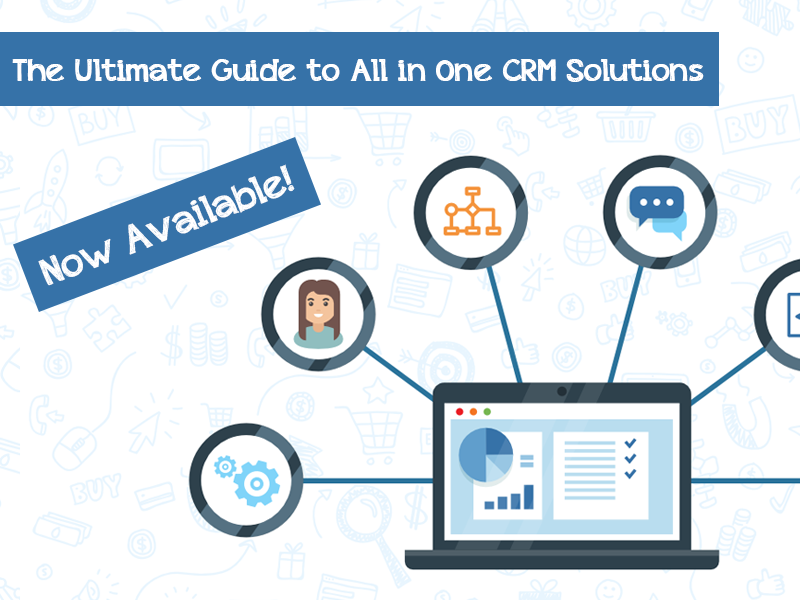
At the forefront of modern business solutions lies AI-Powered CRM Software, a game-changer that optimizes customer relationships with cutting-edge technology. Dive into a world where innovation meets efficiency, transforming the way businesses interact with their clientele.
Introduction to AI-Powered CRM Software
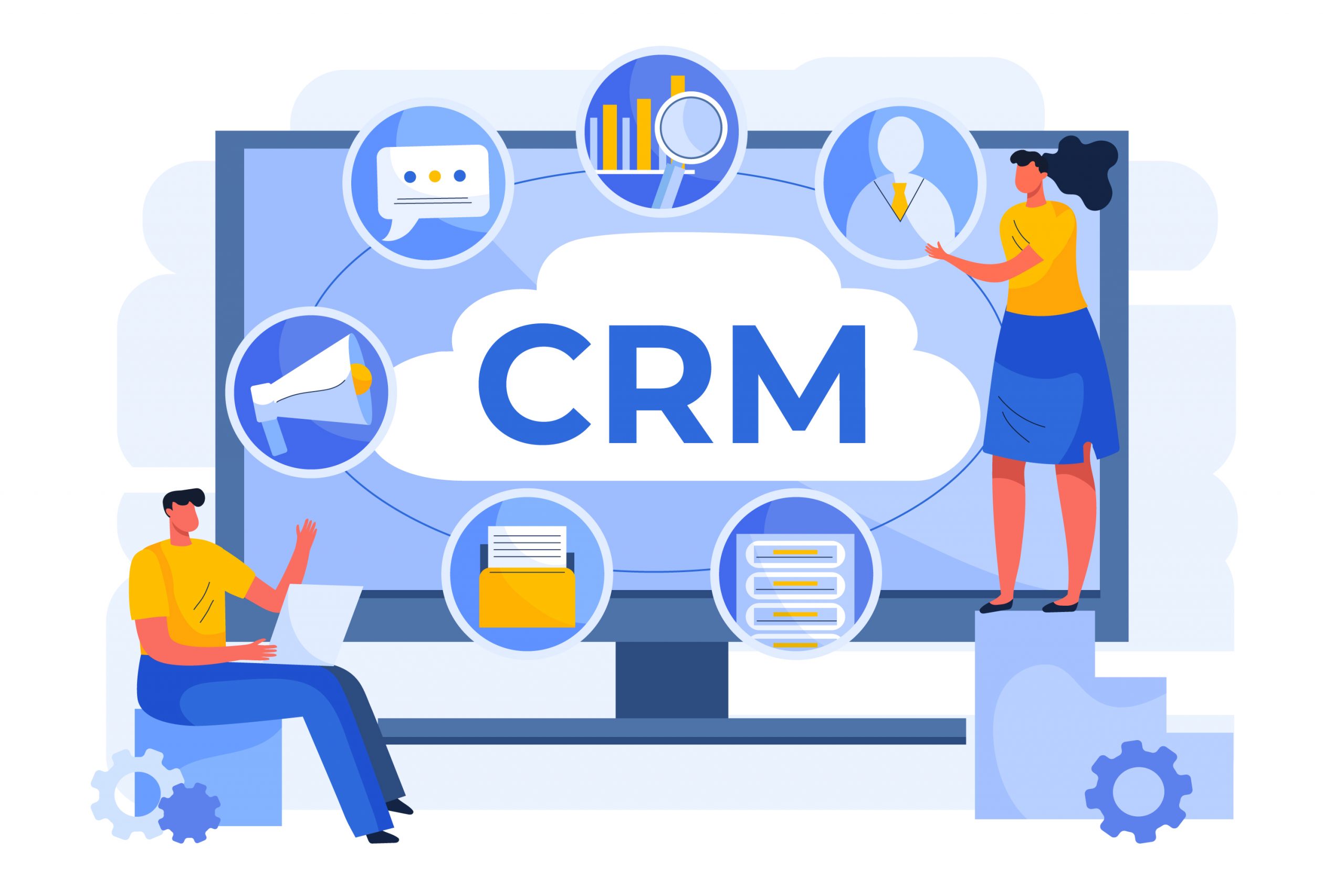
AI-Powered CRM software refers to Customer Relationship Management systems that integrate Artificial Intelligence technology to enhance their functionalities. In modern businesses, AI-Powered CRM software plays a crucial role in optimizing customer interactions, streamlining processes, and improving overall efficiency.

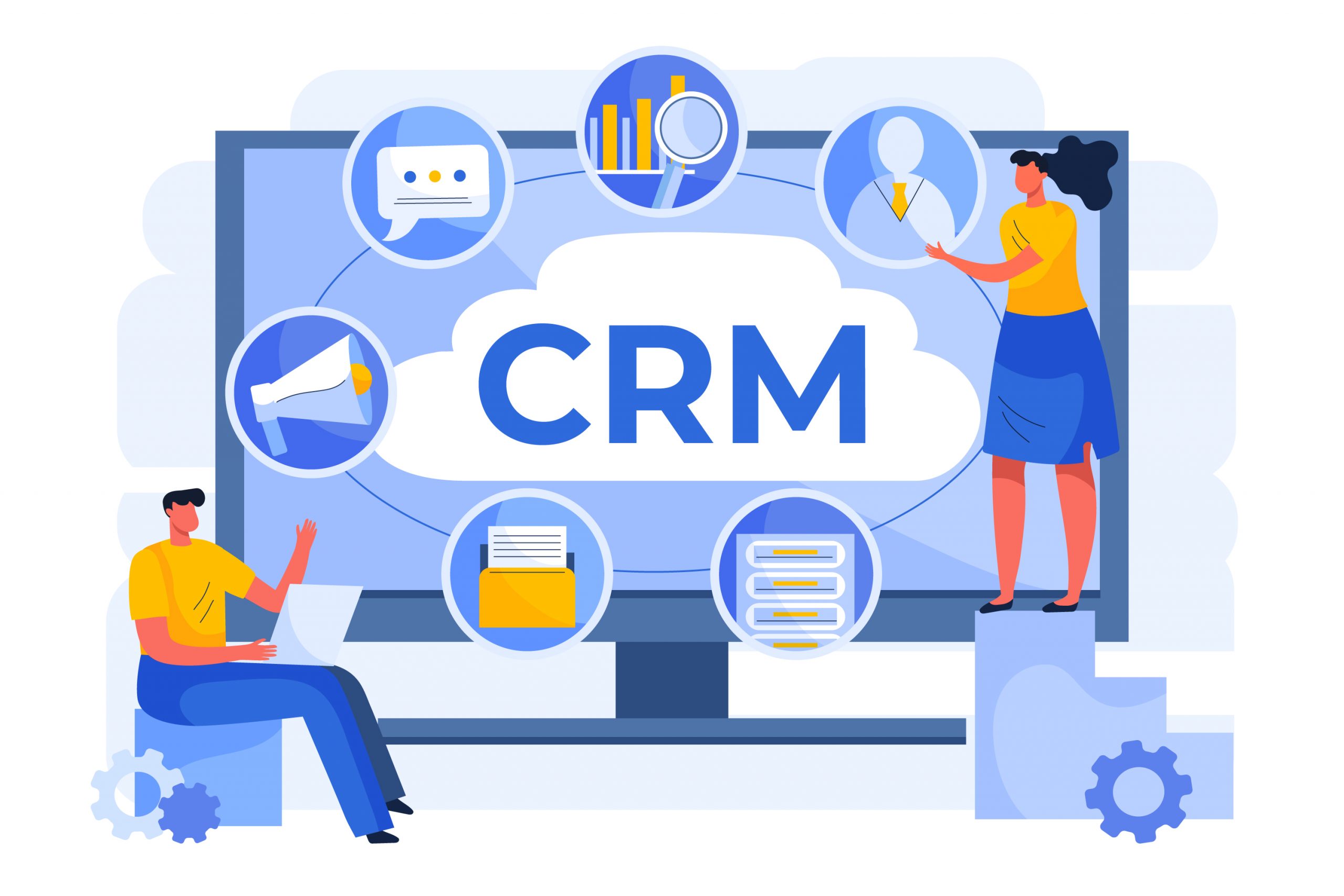
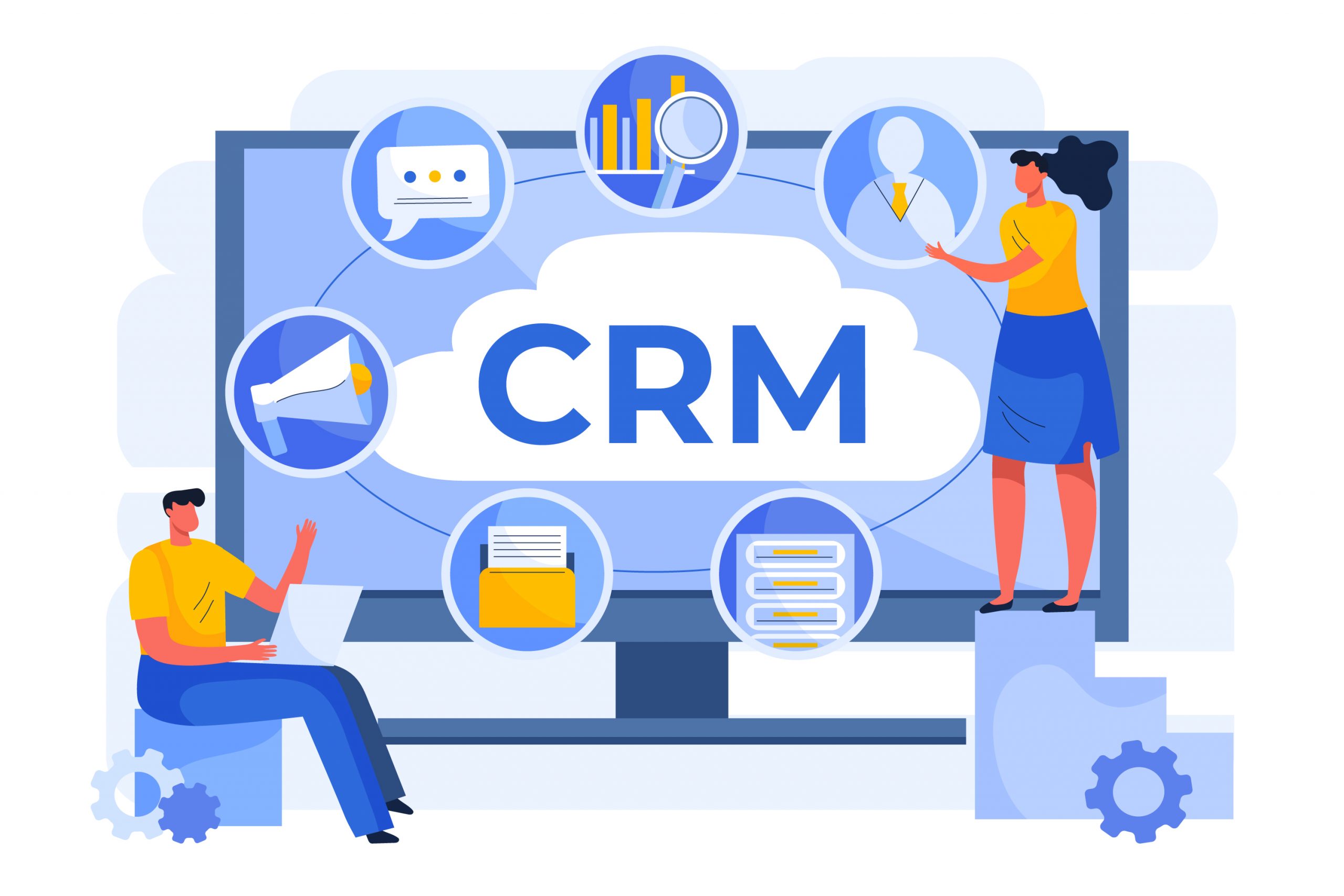
How AI Enhances CRM Software Capabilities
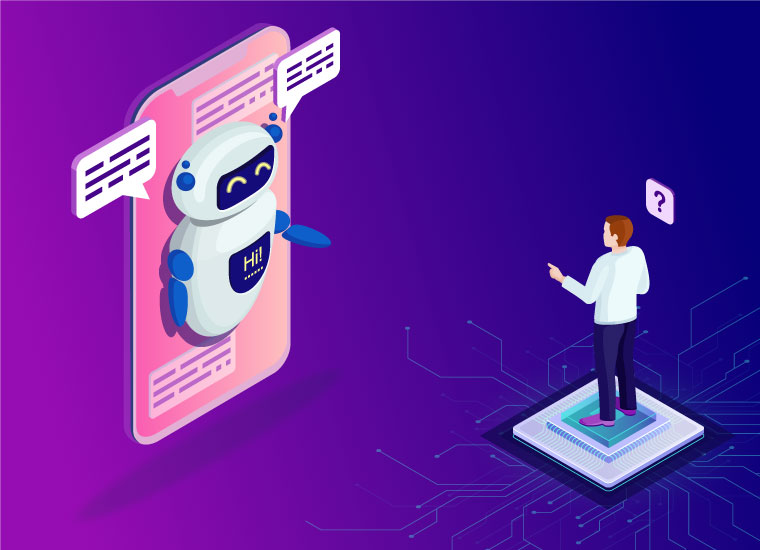
Artificial Intelligence enhances CRM software capabilities by enabling automation, data analysis, and personalized customer experiences. AI algorithms can analyze vast amounts of data in real-time, providing valuable insights into customer behavior, preferences, and trends. This allows businesses to tailor their marketing strategies, improve customer engagement, and make data-driven decisions.
Benefits of Using AI in CRM Systems
- Improved Customer Insights: AI algorithms can analyze customer data to provide businesses with valuable insights into customer preferences, behaviors, and trends.
- Enhanced Automation: AI-powered CRM software can automate repetitive tasks such as lead scoring, email marketing, and customer support, freeing up time for employees to focus on more strategic activities.
- Personalized Customer Experiences: By leveraging AI technology, businesses can deliver personalized interactions and recommendations to customers based on their unique preferences and behaviors.
- Increased Efficiency: AI streamlines processes, reduces manual errors, and accelerates decision-making, ultimately leading to increased operational efficiency and productivity.
Features of AI-Powered CRM Software
AI-powered CRM software offers a range of advanced features that traditional CRM software cannot match. These features leverage artificial intelligence to streamline processes, enhance customer interactions, and boost overall efficiency.
Automated Lead Scoring
AI-powered CRM software can automatically score leads based on various criteria such as demographics, behavior, and interactions. This helps sales teams prioritize leads with the highest potential, leading to more effective conversion rates.
Personalized Customer Interactions
By analyzing customer data and behavior, AI-powered CRM software enables personalized interactions through tailored recommendations, content, and communication channels. This level of personalization fosters stronger relationships and improves customer satisfaction.
Predictive Analytics
AI algorithms in CRM software can analyze historical data to predict future trends, customer behavior, and potential sales opportunities. This enables businesses to make informed decisions and strategies based on accurate insights.
Customer Segmentation
AI-powered CRM software can segment customers based on various parameters like purchase history, preferences, and engagement levels. This segmentation allows businesses to target specific customer groups with tailored marketing campaigns and offers.
Natural Language Processing
With AI capabilities like natural language processing, CRM software can understand and analyze customer queries, feedback, and conversations. This enables businesses to provide timely and relevant responses, enhancing overall customer service.
Workflow Automation
AI-powered CRM software automates repetitive tasks like data entry, lead nurturing, and follow-ups. This frees up valuable time for sales and marketing teams to focus on more strategic activities, ultimately increasing productivity and efficiency.
Implementation of AI in CRM Systems
AI integration into CRM systems involves a step-by-step process to enhance customer engagement and streamline operations. Let’s delve into the technical aspects of implementing AI functionalities in CRM software.
Integrating AI Algorithms into CRM Software
- Identify the business objectives and specific use cases where AI can add value to CRM operations.
- Choose AI algorithms based on the identified use cases, such as machine learning models for predictive analytics or natural language processing for chatbots.
- Integrate AI algorithms into existing CRM software through APIs or SDKs, ensuring compatibility and seamless data flow.
- Train the AI models with historical CRM data to optimize performance and accuracy.
Technical Requirements for AI Implementation
- Robust data infrastructure to store and manage large volumes of customer data for AI analysis.
- Scalable computing resources for running AI algorithms efficiently, either on-premise servers or cloud platforms.
- Data preprocessing tools to clean, normalize, and transform raw CRM data for AI model training.
- Feature engineering techniques to extract relevant features from CRM data and enhance model performance.
Role of Data Preprocessing and Feature Engineering
- Data preprocessing involves cleaning data, handling missing values, and encoding categorical variables for AI model compatibility.
- Feature engineering aims to create new meaningful features from existing data to improve AI model accuracy and predictive power.
- Both processes are crucial for preparing high-quality data inputs for AI algorithms in CRM systems.
Cloud-based vs. On-premise AI Implementations
- Cloud-based AI solutions offer scalability, flexibility, and cost-effectiveness for CRM systems, with easy access to advanced AI tools and resources.
- On-premise AI implementations provide greater control over data security and customization options, but require significant upfront investments and maintenance.
- Companies need to evaluate their specific needs and resources to choose the most suitable AI implementation approach for their CRM systems.
Case Study: Company X’s Customer Engagement Improvement
Company X, a leading retail brand, integrated AI-powered chatbots into their CRM platform to provide personalized customer support 24/7. By automating routine queries and offering tailored recommendations, Company X saw a 30% increase in customer satisfaction and a 20% boost in repeat purchases within the first six months of AI implementation.
Personalization and Customer Experience
AI-Powered CRM software plays a crucial role in enabling personalized customer experiences by leveraging artificial intelligence to analyze customer data and behavior, allowing businesses to tailor their interactions accordingly.
Improved Customer Interactions and Engagement
AI enhances customer interactions by providing real-time insights into customer preferences and behaviors, enabling businesses to anticipate needs and offer relevant solutions. By automating personalized responses and recommendations, AI ensures a more engaging customer experience.
- AI algorithms analyze customer data to predict future behavior and recommend personalized actions.
- Chatbots powered by AI can engage customers in real-time conversations, providing instant support and personalized recommendations.
- AI-driven personalization tools help businesses create targeted marketing campaigns based on individual customer preferences.
AI-Driven Personalization Strategies
AI enables businesses to implement various personalization strategies in their CRM software to enhance customer experience and build long-lasting relationships.
- Dynamic content personalization: AI algorithms analyze customer interactions to deliver personalized content based on individual preferences and behavior.
- Recommendation engines: AI-powered recommendation engines suggest products or services based on past purchases, browsing history, and demographic data.
- Predictive analytics: AI predicts customer behavior and preferences, allowing businesses to proactively personalize their offerings and interactions.
Data Management and Analysis
When it comes to AI-powered CRM software, data management and analysis play a crucial role in enhancing business operations and customer interactions.
Enhanced Data Processing
- AI algorithms can efficiently process vast amounts of data in real-time, enabling businesses to make informed decisions quickly.
- Automated data cleansing processes help maintain data quality and accuracy, ensuring reliable insights for strategic planning.
Predictive Analytics and Customer Behavior
- AI in CRM systems can analyze customer data to predict behavior patterns, allowing businesses to personalize interactions and anticipate needs.
- By leveraging AI for predictive analytics, companies can forecast customer trends and tailor their strategies to meet evolving demands.
Automation and Efficiency
- AI can automate data entry tasks, reducing manual errors and freeing up valuable resources for more strategic initiatives.
- Automated workflows powered by AI streamline data management processes, improving efficiency and productivity within CRM systems.
Automation and Efficiency
Automation plays a crucial role in enhancing the efficiency of CRM systems by streamlining processes and workflows, ultimately saving time and resources. AI-powered CRM software leverages advanced technologies to automate repetitive tasks and improve overall productivity.
Impact of AI Automation in CRM Systems
- AI automates repetitive tasks such as data entry, lead scoring, and email responses, allowing sales teams to focus on more strategic activities.
- By automating routine processes, AI reduces human error and ensures consistency in handling customer interactions, leading to improved efficiency.
- Automation in CRM software accelerates response times, enhances customer satisfaction, and boosts overall productivity within organizations.
Examples of Automation Features in AI-Powered CRM Software
- Automated lead assignment based on predefined criteria.
- Scheduled email campaigns triggered by specific customer actions.
- Chatbots for instant customer support and query resolution.
Setting Up Automation Rules in CRM Systems
- Identify repetitive tasks that can be automated for efficiency gains.
- Define the conditions and triggers that will activate the automation rules.
- Create workflows that outline the sequence of automated actions.
- Test the automation rules to ensure they function as intended and refine them as needed.
Benefits of AI-Driven Chatbots for Customer Service Automation
- 24/7 availability for customer inquiries, improving response times and customer satisfaction.
- Ability to handle multiple customer queries simultaneously, increasing operational efficiency.
- Integration with CRM systems for seamless data capture and personalized interactions.
AI Algorithms for Personalized Marketing Campaigns
- AI algorithms analyze customer data to identify trends, preferences, and behavior patterns.
- Personalized marketing campaigns based on AI insights lead to higher engagement and conversion rates.
- Dynamic content generation and targeted messaging enhance the effectiveness of marketing efforts.
Efficiency and Automation in Traditional CRM vs. AI-Enhanced CRM
- Traditional CRM systems rely heavily on manual data entry and processing, leading to slower response times and increased errors.
- AI-enhanced CRM systems automate routine tasks, optimize workflows, and provide predictive analytics for better decision-making.
- AI-driven automation in CRM software results in improved efficiency, enhanced productivity, and a more personalized customer experience compared to traditional systems.
Integration with Other Technologies
AI-Powered CRM software offers a wide range of possibilities when it comes to integrating with other technologies. Let’s delve into how this integration can enhance customer engagement and streamline business processes.
Integration with Marketing Automation Tools and E-commerce Platforms
When AI-Powered CRM is integrated with marketing automation tools or e-commerce platforms, businesses can leverage advanced analytics and personalized marketing strategies. This integration allows for targeted messaging, tailored recommendations, and improved customer segmentation, ultimately leading to higher conversion rates and customer satisfaction.
Future Trends of AI Integration in CRM Systems
The future of AI integration in CRM systems is promising, with advancements in machine learning algorithms, natural language processing, and predictive analytics. These developments will enable organizations to gain deeper insights into customer behavior, automate routine tasks, and deliver more personalized customer experiences.
Integrating AI-Powered CRM with Social Media Platforms
Integrating AI-Powered CRM with social media platforms enables businesses to monitor customer interactions, analyze sentiment, and respond to inquiries in real-time. This integration provides valuable data for improving customer engagement and refining marketing strategies based on customer feedback.
Integrating AI-Powered CRM with Chatbot Systems
By integrating AI-Powered CRM with chatbot systems, organizations can automate customer service interactions, provide instant support, and gather valuable insights into customer preferences. This seamless integration streamlines communication processes and enhances the overall customer experience.
Integrating AI-Powered CRM with Voice Recognition Technology
The integration of AI-Powered CRM with voice recognition technology allows for personalized customer interactions through voice commands. This technology enables businesses to offer hands-free customer support, improve accessibility, and enhance user experience through voice-enabled CRM interactions.
Impact of Integrating AI-Powered CRM with Cloud Computing Services
Integrating AI-Powered CRM with cloud computing services enhances data accessibility, scalability, and security. This integration enables businesses to store and analyze vast amounts of customer data in real-time, leading to more informed decision-making and improved operational efficiency.
Challenges and Solutions in Integrating AI-Powered CRM with Legacy Systems
Integrating AI-Powered CRM with existing legacy systems can pose challenges such as data compatibility issues, integration complexity, and resistance to change. However, with proper planning, robust APIs, and strategic implementation, organizations can overcome these challenges and unlock the full potential of AI integration in CRM systems.
Security and Privacy Considerations
When it comes to AI-Powered CRM software, security and privacy considerations are crucial to ensure the protection of sensitive customer data and maintain trust. Implementing best practices for data security and compliance is essential in AI-driven CRM solutions to prevent data breaches and privacy issues. Encryption plays a vital role in safeguarding customer data within AI-powered CRM platforms, while authentication methods and access control mechanisms help enhance the security of CRM databases. Regular security audits and updates are necessary to mitigate potential risks associated with AI-powered CRM software.
Data Encryption and Protection
Encryption is a fundamental aspect of securing customer data within AI-powered CRM platforms. By encrypting data, sensitive information is converted into a code that can only be accessed by authorized users with the decryption key. This ensures that even if unauthorized individuals gain access to the data, they will not be able to decipher it without the proper encryption key. Implementing robust encryption protocols helps protect customer data from unauthorized access and ensures compliance with data protection regulations.
Authentication Methods
Implementing strong authentication methods adds an extra layer of security to AI-driven CRM systems. Multi-factor authentication, biometric authentication, and single sign-on are examples of authentication methods that can be used to verify the identity of users accessing the CRM platform. By requiring users to provide multiple forms of verification, such as passwords and biometric data, organizations can reduce the risk of unauthorized access to sensitive customer information.
Access Control Mechanisms
Access control mechanisms play a critical role in safeguarding sensitive information within CRM databases. By defining user roles and permissions, organizations can control who has access to specific data within the CRM system. Role-based access control (RBAC) and attribute-based access control (ABAC) are common mechanisms used to restrict access to confidential data based on the user’s role, responsibilities, and clearance level. Implementing access control measures helps prevent unauthorized users from viewing or modifying sensitive customer information.
Security Audits and Updates
Regular security audits and updates are essential to identify and address potential vulnerabilities in AI-powered CRM software. Conducting routine security audits helps organizations detect any security weaknesses or gaps in their CRM systems and implement necessary patches or updates to mitigate risks. By staying proactive and up-to-date with security measures, organizations can ensure the ongoing protection of customer data and maintain the trust of their clients.
Industry Applications of AI-Powered CRM
AI-Powered CRM software has revolutionized customer relationship management across various industries by leveraging artificial intelligence to enhance customer interactions and drive business growth. Let’s explore how different sectors such as healthcare, finance, and retail are utilizing AI-Powered CRM solutions to improve their operations and customer relationships.
Healthcare Industry
AI-Powered CRM systems are being used in the healthcare sector to streamline patient communication, personalize care plans, and optimize appointment scheduling. For instance, a successful case study involves a hospital using AI algorithms to predict patient readmission rates and proactively reach out to at-risk individuals, resulting in improved patient outcomes and reduced healthcare costs.
Finance Sector
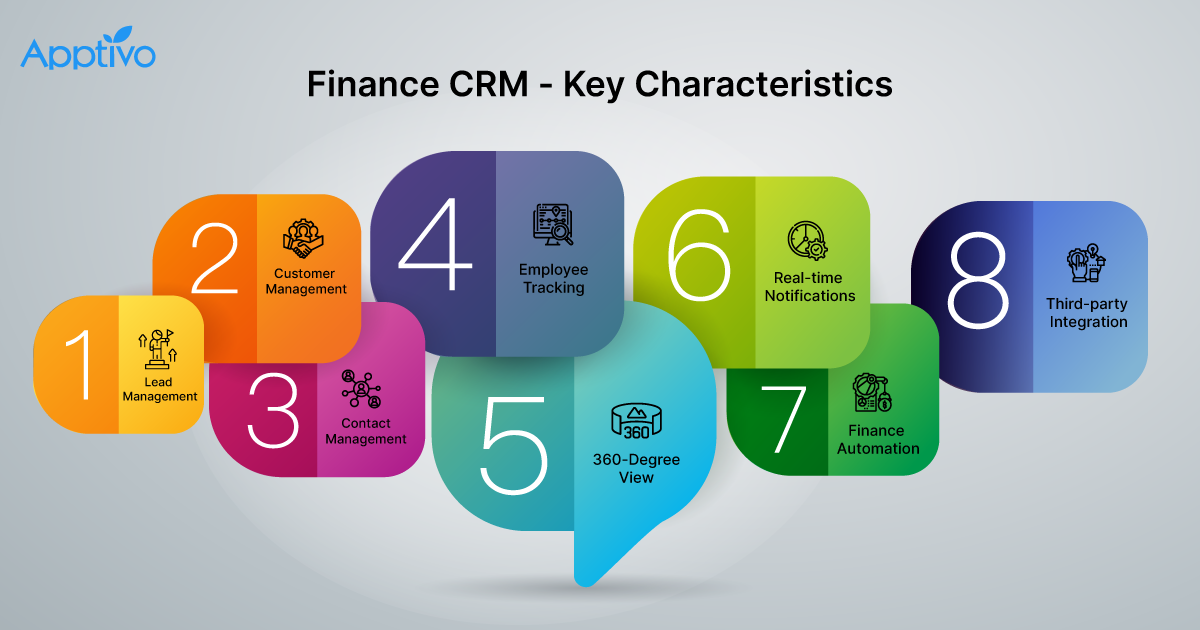
In the finance industry, AI-Powered CRM tools are employed to analyze customer data, detect fraud patterns, and provide personalized financial advice. A notable example is a bank using AI algorithms to predict customer behavior and offer tailored product recommendations, leading to increased customer satisfaction and loyalty.
Retail Sector
Retailers are utilizing AI-Powered CRM software to enhance customer engagement, personalize marketing campaigns, and optimize inventory management. One successful implementation involves a retail chain using AI-powered analytics to forecast demand trends, optimize product assortments, and deliver targeted promotions, resulting in higher sales and improved customer retention.
AI-Powered CRM solutions offer industry-specific benefits such as improved operational efficiency, enhanced customer experiences, and better decision-making capabilities. By harnessing the power of AI in CRM systems, organizations can address industry-specific challenges and capitalize on new opportunities for growth and success.
Training and Support for AI CRM Systems
Training employees to effectively use AI-Powered CRM software is crucial for maximizing the benefits of the technology within an organization. Without proper training, employees may struggle to adapt to the new system, leading to inefficiencies and underutilization of the software.
Providing ongoing support and troubleshooting for AI-driven CRM systems is essential to address any issues that may arise during day-to-day operations. This ensures that employees have the necessary resources to overcome challenges and continue using the software effectively.
Importance of Training and Support
Effective training and support mechanisms can help employees:
- Understand the features and functionalities of the AI-powered CRM software.
- Learn how to input and extract data efficiently.
- Utilize automation and personalization tools to enhance customer interactions.
- Adapt to new workflows and processes enabled by AI technology.
Tips for Providing Ongoing Support
Companies can offer ongoing support by:
- Establishing a dedicated help desk or support team for troubleshooting.
- Providing regular training sessions and refresher courses on AI CRM systems.
- Creating a knowledge base or FAQ section for quick reference.
- Encouraging open communication and feedback from employees regarding system challenges.
Ensuring a Smooth Transition
Companies can ensure a smooth transition to AI-powered CRM solutions by:
- Conducting thorough training sessions before implementation.
- Offering hands-on practice and simulations to familiarize employees with the software.
- Providing ongoing support and guidance during the initial phase of adoption.
- Monitoring performance metrics and addressing any user concerns promptly.
Customization and Scalability
AI-Powered CRM software offers a high level of customization to meet the specific needs of businesses, allowing them to tailor the system according to their unique requirements. This flexibility ensures that companies can optimize the software to align with their processes and objectives.
Customized AI Features
- Companies can customize AI algorithms to analyze customer data based on their industry-specific metrics and KPIs, providing more relevant insights for decision-making.
- Customized predictive analytics models can be developed to forecast customer behavior and preferences accurately, enabling personalized marketing strategies.
- AI-driven chatbots can be tailored to provide specific responses based on the company’s product offerings and customer support guidelines, enhancing customer interactions.
Scalability of AI-Driven CRM Systems
- AI-Powered CRM systems are designed to scale seamlessly with growing business requirements, accommodating increased data volumes and user interactions without compromising performance.
- Businesses can easily add new AI modules or functionalities to their CRM software as needed, allowing for continuous improvement and adaptation to changing market dynamics.
- Scalable AI algorithms enable businesses to handle complex data processing tasks efficiently, ensuring that the CRM system remains agile and responsive to evolving customer needs.
User Interface and Experience Design
User interface and experience design play a crucial role in the effectiveness of CRM software, and with the integration of AI, the possibilities for enhancing these aspects are endless.
Role of AI in Enhancing UI/UX
- AI can analyze user behavior to optimize the layout and design of CRM interfaces for maximum usability.
- It can personalize the user experience by adapting the interface based on individual preferences and past interactions.
Importance of Intuitive Design
- Intuitive design reduces the learning curve for users, leading to increased adoption rates and overall satisfaction.
- AI-powered CRM systems leverage intuitive design to streamline workflows and simplify complex processes.
Innovative AI-Driven UI/UX Features
- AI chatbots for instant customer support and assistance.
- Predictive analytics for proactive decision-making and personalized recommendations.
- Voice recognition technology for hands-free interaction with the CRM system.
Personalization Based on Preferences
- AI algorithms can customize the interface elements, content, and recommendations to suit each user’s unique needs and preferences.
- By understanding user behavior and preferences, AI ensures a tailored user experience that drives engagement and loyalty.
Streamlining User Interactions
- AI streamlines user interactions by automating repetitive tasks, suggesting next best actions, and providing real-time insights.
- This efficiency leads to increased productivity, faster response times, and improved overall user satisfaction.
Comparison with Traditional Interfaces
- AI-enhanced interfaces offer personalized recommendations and predictive insights, enhancing user engagement and efficiency.
- Traditional CRM interfaces lack the adaptability and intelligence of AI, resulting in a more static and less dynamic user experience.
User Feedback Mechanisms
- AI-powered CRM software integrates feedback loops to gather user input, analyze sentiment, and make continuous improvements to the user interface.
- By capturing user feedback in real-time, AI ensures that the CRM system evolves to meet changing user needs and expectations.
Cost and ROI Analysis
Implementing AI-Powered CRM software involves various costs that need to be carefully considered. Companies must evaluate the initial investment required as well as ongoing expenses associated with maintenance, training, and upgrades.
Breakdown of Costs
- Initial setup costs, including software licensing fees and installation expenses.
- Training costs for employees to learn how to effectively use the AI-driven CRM system.
- Maintenance costs for regular updates, bug fixes, and technical support.
- Integration costs to connect the AI CRM software with existing systems and databases.
Potential ROI
- Improved efficiency and productivity due to automation of tasks and personalized customer interactions.
- Enhanced customer satisfaction and loyalty leading to increased sales and revenue.
- Cost savings from reduced manual labor and streamlined processes.
Measuring Effectiveness and Financial Benefits
Companies can measure the effectiveness of AI-driven CRM solutions by tracking key performance indicators (KPIs) such as customer acquisition costs, customer retention rates, and average order value. By analyzing these metrics over time, companies can gauge the impact of AI on their CRM efforts and calculate the return on investment.
Regulatory Compliance and Ethical Considerations
In the realm of AI-powered CRM software, it is crucial to address regulatory compliance and ethical considerations to ensure the responsible use of technology and data.
Ethical Implications of AI in CRM Systems
- AI algorithms in CRM systems may inadvertently introduce bias or discrimination based on the data they are trained on.
- It is essential to continuously monitor and mitigate bias to uphold ethical standards in customer interactions.
Compliance Requirements and Data Protection
- Regulations like GDPR mandate strict data protection measures, which AI-powered CRM software must adhere to.
- Implementing robust data security protocols and ensuring user consent are vital components of compliance with data protection laws.
Strategies for Ethical Standards and Transparency
- Transparency in AI-driven CRM solutions involves clear communication about data usage and algorithmic decision-making processes.
- Regular audits of AI algorithms can help maintain ethical standards and ensure compliance with regulations.
Explainable AI and Accountability
- Explainable AI allows users to understand how AI models arrive at specific decisions, fostering accountability and trust in CRM systems.
- By providing insights into AI decision-making processes, organizations can uphold ethical standards and regulatory requirements.
User Consent and Data Privacy
- Obtaining user consent for data processing and ensuring data privacy are fundamental principles in AI-driven CRM systems.
- Respecting user privacy preferences and maintaining data confidentiality are key factors in building customer trust and loyalty.
Impact on Customer Trust and Loyalty
- Adhering to ethical standards and regulatory compliance enhances customer trust in the company’s use of AI technology.
- By prioritizing data protection and ethical practices, organizations can strengthen customer loyalty and long-term relationships.
Future Developments and Trends in AI CRM
Artificial Intelligence (AI) is reshaping the landscape of Customer Relationship Management (CRM) systems, bringing about significant advancements in how businesses interact with their customers. By leveraging AI technologies, CRM platforms can now provide enhanced personalization, predictive analytics, and automation capabilities, ultimately revolutionizing the way companies manage customer relationships.
Impact of AI-Driven Personalization on Customer Interactions
AI-driven personalization in CRM systems has a profound impact on customer interactions and engagement. Through AI algorithms, businesses can analyze vast amounts of customer data to tailor personalized experiences for each individual. By understanding customer preferences, behaviors, and needs, companies can deliver targeted marketing messages, product recommendations, and customer service interactions, leading to higher customer satisfaction and loyalty.
Role of Machine Learning Algorithms in Enhancing Predictive Capabilities
Machine learning algorithms play a crucial role in enhancing predictive capabilities within CRM platforms. By analyzing historical customer data, machine learning models can predict future customer behavior, such as buying patterns, churn likelihood, and customer lifetime value. This predictive insight enables businesses to proactively address customer needs, anticipate market trends, and optimize their sales and marketing strategies.
Ethical Considerations in AI CRM
The use of AI in CRM raises ethical concerns regarding data privacy, transparency, and bias. It is essential for businesses to ensure that AI algorithms are used responsibly and ethically to safeguard customer information and maintain trust. Implementing transparent AI models, providing clear consent mechanisms, and regularly auditing AI systems can help address ethical considerations and build a more trustworthy relationship with customers.
Comparative Analysis of AI CRM Tools
There are various AI CRM tools available in the market, each offering unique features and benefits. From AI-powered chatbots for customer service to predictive analytics tools for sales forecasting, businesses can choose from a wide range of AI CRM solutions to suit their specific needs. Conducting a comparative analysis of different AI CRM tools can help organizations identify the most suitable platform that aligns with their business goals and objectives.
Ending Remarks
In conclusion, AI-Powered CRM Software is not just a tool but a strategic asset that propels businesses towards success by enhancing customer experiences and streamlining operations. Embrace the future of CRM with AI at its core, and unlock a world of endless possibilities for your business growth.