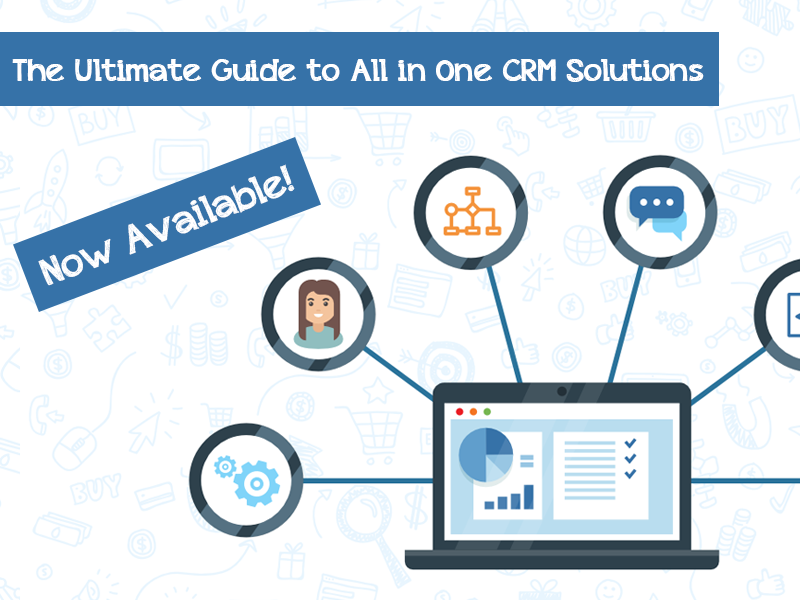
Best CRM For Financial Services: Enhancing Customer Relationships In The Finance Sector

Best CRM for Financial Services dives into the pivotal role CRM plays in revolutionizing customer relationships within the finance industry, offering a comprehensive guide to navigating the complexities and challenges faced by financial institutions.
Importance of CRM in Financial Services
Customer Relationship Management (CRM) is crucial for financial service companies as it helps them to effectively manage and nurture relationships with their clients. In the highly competitive financial sector, building and maintaining strong customer relationships is essential for long-term success.



Enhancing Customer Relationships
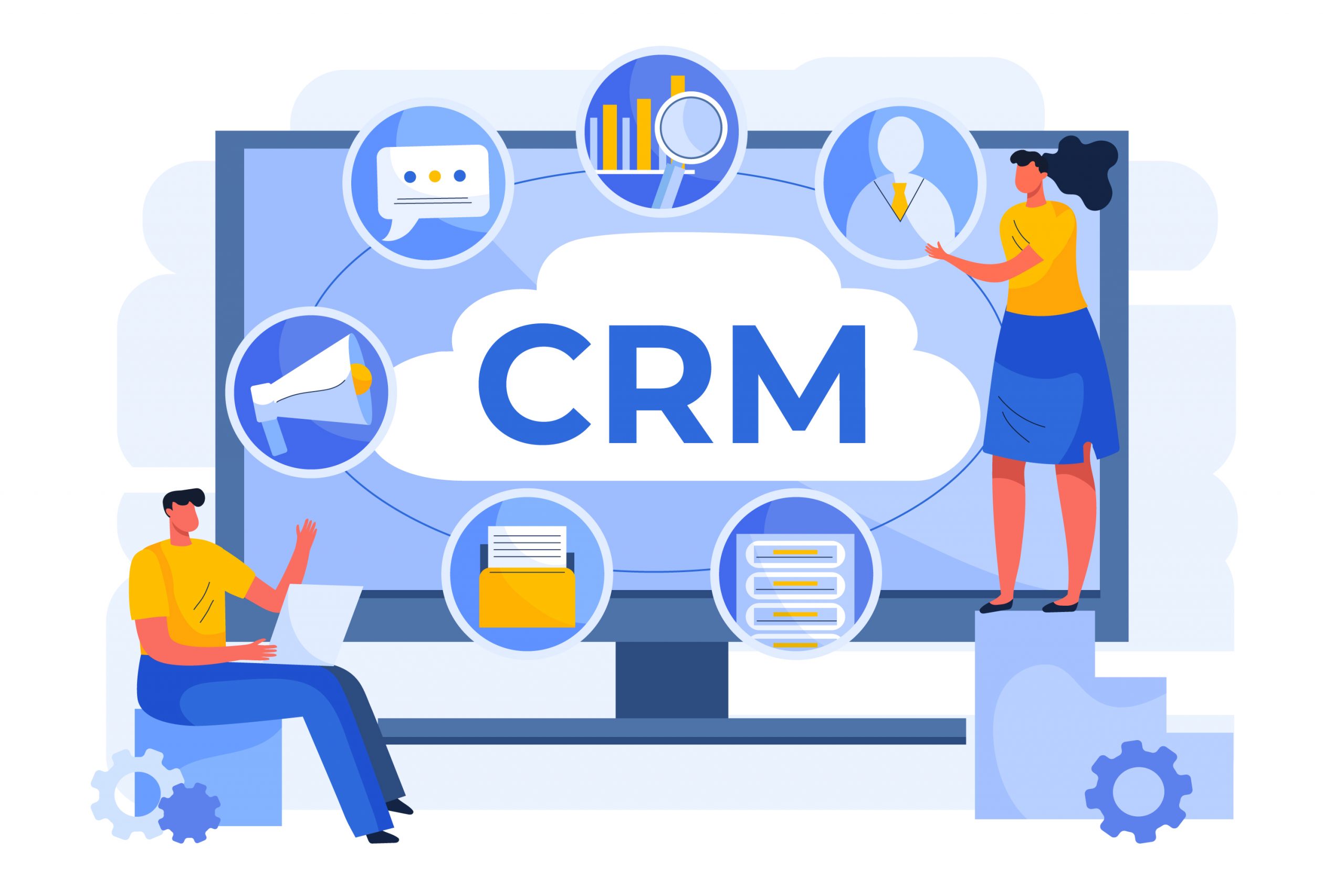
CRM systems enable financial service companies to personalize their interactions with clients, providing tailored services and recommendations based on individual needs and preferences. By keeping track of customer data and interactions, CRM helps in understanding customer behavior, anticipating their needs, and delivering a seamless and personalized experience.
Addressing Specific Challenges
- Regulatory Compliance: CRM systems can help financial institutions to ensure compliance with various regulations by tracking and documenting customer interactions and transactions.
- Customer Retention: CRM allows financial service companies to identify potential churn risks and proactively engage with customers to prevent attrition.
- Cross-Selling and Upselling: CRM systems can suggest relevant products or services to existing customers based on their previous interactions, leading to increased cross-selling and upselling opportunities.
- Data Security: CRM platforms offer secure data storage and access controls, ensuring that sensitive customer information is protected from unauthorized access.
Key Features to Look for in a CRM for Financial Services
When selecting a CRM system for financial services, it is crucial to consider specific features that cater to the unique needs of the industry. From lead management to data security, various aspects play a significant role in enhancing the efficiency and effectiveness of CRM solutions in financial institutions.
Lead Management
Lead management is a critical feature in a CRM system for financial services as it helps in tracking and prioritizing potential clients. A robust lead management tool should allow for easy capture, categorization, and follow-up of leads to streamline the sales process effectively.
Customer Segmentation
Customer segmentation is essential in understanding the diverse needs and preferences of clients in the financial sector. A CRM system with robust customer segmentation capabilities enables personalized communication and targeted marketing strategies based on specific client segments.
Analytics
Analytics play a vital role in assessing the performance of marketing campaigns, sales activities, and overall customer engagement. A CRM system with advanced analytics features provides valuable insights into key performance metrics, enabling data-driven decision-making and strategy optimization.
Cloud-based vs. On-premise CRM Solutions
When choosing a CRM system for financial services, institutions must consider whether to opt for a cloud-based or on-premise solution. While cloud-based CRM offers flexibility, scalability, and accessibility, on-premise CRM provides greater control over data security and customization. Financial institutions need to evaluate their specific requirements and constraints to determine the most suitable deployment option.
Compliance and Data Security
Compliance and data security are paramount in the financial services industry due to the sensitive nature of client information and regulatory requirements. A CRM system for financial institutions must adhere to strict compliance standards and offer robust data security measures to protect sensitive data from cyber threats and breaches.
Data Security Measures Comparison
| CRM Provider | Data Security Measures |
|---|---|
| Provider A | End-to-end encryption, role-based access control |
| Provider B | Two-factor authentication, regular security audits |
| Provider C | Data encryption at rest and in transit, GDPR compliance |
Integration with Existing Financial Software
Integrating a CRM system with existing financial software or platforms used by the institution is crucial for seamless data flow and process efficiency. A step-by-step guide on integrating CRM with financial software involves assessing compatibility, setting up data synchronization, and testing the integration for optimal performance.
Scalability of CRM Solutions
The scalability of CRM solutions is vital for financial institutions as they grow and expand their operations. A scalable CRM system can adapt to the changing needs and volume of clients, transactions, and data, ensuring continued efficiency and effectiveness in managing customer relationships and business processes.
Customization and Integration Capabilities
Customization and integration capabilities are crucial for CRM systems in the financial services industry. These features allow companies to tailor their CRM to meet the specific needs of their business and integrate with other tools for a seamless operation.
CRM Integration with Accounting Software
Integrating CRM with accounting software can streamline operations by syncing financial data, customer information, and transaction history. This integration eliminates the need for manual data entry and ensures accurate and up-to-date financial records.
- Automating invoicing and payment processing
- Tracking and managing financial transactions
- Seamlessly updating customer records with financial data
API Integrations for Financial Services
API integrations in CRM systems allow financial services companies to connect with third-party applications, such as payment gateways, marketing tools, and analytics platforms. This enables companies to access a wider range of functionalities and improve overall efficiency.
- Enhancing customer communication through integrated messaging platforms
- Utilizing advanced analytics tools for data-driven decision-making
- Automating repetitive tasks to increase productivity
Customized CRM Solution for Improved Client Retention
A financial advisory firm implemented a customized CRM solution that allowed them to segment clients based on their financial goals and preferences. By sending personalized communications and targeted offers, the firm saw a significant increase in client retention rates and satisfaction.
Integration with Portfolio Management Software
Integrating CRM with portfolio management software enables wealth management companies to track investments, monitor performance, and provide clients with real-time updates on their portfolios. This integration streamlines the investment tracking process and enhances overall client experience.
- Tracking investment performance and portfolio diversification
- Generating customized reports for clients based on their investment goals
- Automating portfolio rebalancing and risk assessment
Data Migration for Insurance Companies
Customizing CRM systems for insurance companies involves data migration from legacy systems to the new CRM platform. This process improves customer service by centralizing policy information, streamlining claims processing, and providing agents with a comprehensive view of each client’s policy history.
Personalized Reporting Features for Banking Institutions
Personalized reporting features in a CRM system allow banking institutions to analyze financial data, track customer interactions, and make data-driven decisions. By customizing reports based on specific metrics and KPIs, banks can gain valuable insights into customer behavior, market trends, and performance indicators.
- Identifying cross-selling opportunities based on customer behavior
- Tracking customer satisfaction and loyalty metrics
- Monitoring branch performance and customer acquisition rates
Automation and Workflow Efficiency
Automation features in a CRM play a crucial role in enhancing workflow efficiency for financial services. By automating repetitive tasks and streamlining processes, financial institutions can save time, reduce errors, and improve overall productivity.
Streamlined Client Onboarding
- Automated client onboarding processes can help financial institutions collect and verify customer information more efficiently. This includes automated data entry, document collection, and compliance checks.
- By automating these processes, financial services can reduce the time taken to onboard new clients, ensuring a smoother experience while maintaining regulatory compliance.
Automated Task Assignments
- CRM automation allows for the automatic assignment of tasks to the appropriate team members based on predefined rules and criteria. This ensures that tasks are distributed evenly and completed in a timely manner.
- Automated task assignments help in eliminating bottlenecks, improving accountability, and ensuring that important activities are not overlooked.
Compliance Monitoring and Reporting
- CRM automation can assist financial institutions in managing regulatory compliance tasks by setting up automated alerts and reminders for key compliance deadlines.
- Automated compliance monitoring and reporting features help in identifying potential issues early on, ensuring that the institution stays compliant with relevant regulations.
Data Management and Analytics
Data management plays a crucial role in a CRM system for financial services by ensuring that accurate and up-to-date information about customers, interactions, and transactions is properly stored and organized. This allows financial institutions to have a comprehensive view of their customers and make informed decisions based on data-driven insights.
Importance of Analytics for Customer Insights
Analytics in CRM for financial services is essential for gaining valuable customer insights, such as behavior patterns, preferences, and needs. By analyzing data collected within the CRM system, financial institutions can tailor their services to meet individual customer requirements, anticipate future needs, and enhance overall customer satisfaction.
- Identifying Cross-Selling Opportunities: CRM analytics can help financial institutions identify potential cross-selling opportunities by analyzing customer data to understand which products or services are most relevant to specific customer segments.
- Improving Customer Retention: By analyzing customer interaction data, financial institutions can proactively address issues, provide personalized solutions, and offer targeted promotions to improve customer retention rates.
- Enhancing Marketing Strategies: CRM analytics enable financial institutions to create targeted marketing campaigns based on customer preferences and behaviors, leading to higher engagement and conversion rates.
- Forecasting Trends: By analyzing historical data and customer behavior patterns, financial institutions can forecast market trends, anticipate customer needs, and adjust their strategies accordingly.
Mobile Accessibility and Remote Work
Mobile accessibility is crucial in a CRM system for financial services as professionals need to access real-time data and client information while on the go. With the rise of remote work trends, the need for seamless CRM systems in the financial industry becomes even more pronounced.
Importance of Mobile Accessibility
- Allows financial service professionals to access client data, update records, and track interactions from anywhere, improving efficiency and productivity.
- Enables real-time collaboration among team members, regardless of their physical location, fostering better communication and teamwork.
- Enhances customer service by providing quick responses to client inquiries and addressing their needs promptly, even when working remotely.
Setting Up and Accessing CRM on Mobile Devices
To efficiently set up and access a CRM system on mobile devices, financial service professionals can follow these steps:
- Download the CRM mobile application from the app store or through the provider’s website.
- Login using the same credentials as the desktop version to sync data seamlessly.
- Customize the mobile interface to prioritize the most relevant information for quick access.
- Enable push notifications to stay updated on client activities and important reminders.
Comparison Table: Traditional CRM vs. Mobile CRM
| Features | Traditional CRM | Mobile CRM |
|---|---|---|
| Accessibility | Restricted to desktops/laptops | Accessible on-the-go |
| Real-time Updates | Delayed updates | Real-time data syncing |
| Collaboration | Dependent on office environment | Remote team collaboration |
| Customer Service | Limited responsiveness | Quick response times |
Case Study: Maximizing Mobile CRM in Remote Work
In a scenario where a financial service professional is working remotely, they can utilize mobile CRM to:
Quickly access client information during virtual meetings.
Update client records immediately after phone calls or emails.
Collaborate with team members on deals and projects in real-time.
Receive instant notifications for important client updates or tasks.
Scalability and Growth Potential
Financial service companies must consider scalability requirements in a CRM system to ensure it can grow alongside their business operations. Scalability refers to the system’s ability to handle increasing data, users, and transactions without compromising performance. Here are some key points to consider:
Importance of Scalability in CRM
Scalability is crucial for financial institutions as they expand their customer base and services. A scalable CRM system can accommodate a growing number of clients, transactions, and interactions without causing delays or system failures. It ensures that the organization can maintain operational efficiency and deliver quality service even during periods of rapid growth.
Flexible Data Storage Options
Flexible data storage options are essential for CRM scalability. Cloud-based solutions offer scalable storage capacity, allowing companies to increase or decrease their data storage as needed. This flexibility ensures that financial institutions can adapt to changing business requirements without investing in additional hardware or infrastructure.
Automated Processes for Scalability
Automation plays a key role in scaling a CRM system effectively. Automated workflows, data entry, and communication processes streamline operations and reduce manual tasks. By automating repetitive tasks, financial institutions can improve efficiency, accuracy, and scalability. For example, automated lead scoring and routing can help prioritize high-value leads and assign them to the appropriate sales representatives efficiently.
Factors to Consider for Scalability
- Scalability Planning: Financial service companies should define clear growth objectives and anticipate future needs when planning for CRM scalability.
- Data Migration: Smooth data migration processes are essential for scaling a CRM system. Companies must ensure data integrity and consistency when transferring information to a larger database.
- Integration Capabilities: A scalable CRM system should offer seamless integration with other software applications and tools used by the organization. This enables data sharing and collaboration across different departments.
Horizontal vs. Vertical Scaling
Horizontal scaling involves adding more servers or instances to distribute the workload, while vertical scaling requires upgrading existing hardware to handle increased capacity. In the context of CRM systems, horizontal scaling offers more flexibility and cost-effectiveness, allowing companies to scale their operations by adding resources incrementally. Vertical scaling, on the other hand, involves higher upfront costs and may lead to resource underutilization if not properly planned.
Customer Service and Support Capabilities
Customer service plays a crucial role in the financial industry, where trust and satisfaction are paramount. CRM systems contribute significantly to enhancing customer service for financial institutions by providing a centralized platform to manage and track customer interactions effectively.
Role of CRM in Enhancing Customer Service
CRM systems enable financial institutions to streamline customer service processes, track customer inquiries, and resolve issues promptly. By consolidating customer data and interactions in one place, CRM systems help agents deliver personalized and efficient service to clients.
- Improved customer response times
- Enhanced customer satisfaction and loyalty
- Consistent service quality across all touchpoints
Importance of Support Features in CRM
Support features like ticketing systems and knowledge bases within CRM platforms allow financial institutions to manage customer queries efficiently and provide accurate and timely responses. These tools enable agents to access relevant information quickly, leading to faster query resolution and improved customer satisfaction.
- Efficient ticket management for tracking and prioritizing customer inquiries
- Knowledge bases for storing and sharing information internally
- Self-service options for customers to find answers independently
Integrating CRM with Customer Service Tools
Integrating CRM with other customer service tools such as helpdesk software or live chat platforms creates a seamless support experience for both agents and customers. This integration ensures that customer data is synchronized across all systems, enabling agents to provide personalized and efficient service.
- Automated data syncing for real-time updates
- Unified view of customer interactions and history
- Enhanced collaboration among support teams
Personalized Customer Service through CRM
CRM systems enable financial institutions to personalize customer service by leveraging customer data to tailor interactions and support services. By analyzing customer preferences, behaviors, and feedback, agents can anticipate needs and offer personalized solutions, ultimately enhancing customer satisfaction and loyalty.
- Segmentation of customers based on behavior and preferences
- Customized communication and offers for targeted customer groups
- Personalized recommendations and solutions based on customer data
Analyzing Customer Data within CRM
Financial institutions can utilize CRM analytics to analyze customer data and derive insights that help tailor support services effectively. By tracking key metrics such as customer satisfaction scores, service response times, and issue resolution rates, organizations can identify areas for improvement and optimize customer service processes.
- Monitoring customer feedback and sentiment analysis
- Identifying trends and patterns in customer behavior
- Measuring the effectiveness of support strategies and initiatives
Leveraging CRM Analytics for Proactive Support
CRM analytics empower financial institutions to anticipate customer needs and provide proactive support by identifying potential issues before they escalate. By leveraging predictive analytics and machine learning algorithms, organizations can forecast customer behavior and preferences, enabling them to offer proactive solutions and personalized assistance.
- Predictive modeling for anticipating customer needs
- Automated triggers for proactive customer engagement
- Real-time insights for timely interventions and support
User Interface and User Experience
User Interface (UI) and User Experience (UX) play a crucial role in the effectiveness of a CRM system for financial services. A user-friendly interface is essential for ensuring that financial professionals can easily navigate the CRM platform, access necessary information, and perform tasks efficiently.
A good user experience can significantly increase user adoption and productivity within a financial services organization. When the CRM interface is intuitive, visually appealing, and tailored to the specific needs of financial professionals, users are more likely to engage with the system regularly and leverage its full capabilities to drive business growth.
Significance of a User-Friendly Interface
A user-friendly interface in a CRM for financial services is essential for providing a seamless user experience. Some key benefits include:
- Easy navigation: Intuitive design allows users to quickly find the information they need, reducing the time spent searching for data.
- Efficient task management: Streamlined workflows and clear layouts enable users to perform tasks more effectively, increasing overall productivity.
- Enhanced data visibility: Clear visuals and organization of data improve data interpretation and decision-making for financial professionals.
Examples of CRM Interfaces for Financial Service Professionals
Some CRM interfaces that are well-suited for financial service professionals include:
- Salesforce Financial Services Cloud: Tailored specifically for financial services, this CRM platform offers a customizable interface with specialized features for wealth management, banking, and insurance.
- Microsoft Dynamics 365 for Finance and Operations: Provides a user-friendly interface with seamless integration capabilities, allowing financial professionals to access real-time data and insights for better decision-making.
- HUBSPOT CRM: Known for its user-friendly interface and ease of use, HUBSPOT CRM offers financial service professionals a simple yet powerful platform for managing customer relationships and sales processes.
Training and Onboarding Processes
Training and onboarding processes are crucial for the successful implementation of a CRM system in financial services. Proper training ensures that employees understand how to use the CRM effectively, leading to increased productivity and improved customer service. Onboarding strategies help new users familiarize themselves with the CRM platform, reducing the learning curve and accelerating adoption.
Importance of Training and Onboarding
Effective training and onboarding processes are essential for implementing a CRM system in financial services. They ensure that employees have the necessary skills and knowledge to utilize the CRM effectively, leading to improved efficiency and customer satisfaction.
- Hands-on Training: Conducting hands-on training sessions allows employees to practice using the CRM in real-life scenarios, enhancing their understanding and engagement.
- Role-Based Training: Tailoring training programs based on employees’ roles within the organization helps streamline the CRM implementation process and ensures relevance to their daily tasks.
- Measuring Effectiveness: Establishing key performance indicators (KPIs) to evaluate the success of training programs helps identify areas for improvement and track progress over time.
Best Practices for Training Employees
When training employees on using a CRM system effectively, consider the following best practices:
- Provide comprehensive training materials covering all aspects of the CRM platform.
- Offer ongoing support and refresher training sessions to reinforce learning and address any issues that may arise.
- Utilize simulations or real-life scenarios to enhance engagement and practical application of CRM functionalities.
Creating Personalized Training Plans
Developing personalized training plans for different departments within a financial institution can improve CRM adoption and user satisfaction. Consider the following steps:
- Assess the specific needs and skill levels of each department to tailor training content accordingly.
- Identify key objectives and goals for CRM implementation within each department to align training activities with organizational priorities.
- Collaborate with department heads and team leaders to ensure buy-in and participation in the training process.
Reporting and Dashboard Capabilities
Reporting and dashboard capabilities play a crucial role in a CRM system for financial services by providing insights into key performance indicators (KPIs) and performance metrics. These features help financial institutions make informed decisions, track progress, and identify areas for improvement.
Types of Reports and Visualizations
- Financial Performance Reports: These reports provide a comprehensive overview of the financial health of the institution, including revenue, expenses, and profitability.
- Sales Pipeline Reports: These reports track the progress of leads and opportunities through the sales pipeline, helping to forecast sales and identify bottlenecks.
- Customer Segmentation Reports: By analyzing customer data, these reports help in segmenting customers based on their behavior, preferences, and profitability.
Examples of CRM Dashboards Benefits
- Real-Time Data Monitoring: CRM dashboards offer real-time insights into sales performance, customer interactions, and marketing campaigns, allowing for immediate action.
- KPI Tracking: Dashboards allow for the visualization of KPIs such as conversion rates, customer retention, and lead response time, making it easier to monitor performance.
- Customizable Views: Users can customize dashboards to display the most relevant information for their roles, ensuring that each team member has access to the data they need.
Regulatory Compliance and Security
In the financial services industry, regulatory compliance and security are crucial aspects that cannot be overlooked. CRM systems play a significant role in ensuring that sensitive financial information is handled in compliance with industry regulations and kept secure from potential threats.
Importance of Regulatory Compliance Features
Regulatory compliance features in a CRM for financial services are essential for maintaining adherence to specific regulations such as GDPR, HIPAA, or PCI DSS. These regulations govern how financial data should be handled, stored, and protected to prevent unauthorized access or breaches.
Data Security and Privacy Measures
- CRM systems implement encryption protocols and access controls to safeguard sensitive financial information from unauthorized access and cyber threats.
- By ensuring data security and privacy, CRM platforms help financial institutions comply with regulations and build trust with their clients.
Compliance Automation Tools
Automation tools like audit trails and monitoring mechanisms aid in maintaining regulatory standards by tracking and documenting all activities related to data handling and access within the CRM system.
Data Retention Policies
- CRM platforms can facilitate compliance with industry-specific regulations by implementing data retention policies that dictate how long certain types of data should be stored and when it should be securely deleted.
- These policies help organizations avoid penalties for non-compliance and ensure that data is managed responsibly.
Security Assessments and Penetration Testing
Regular security assessments and penetration testing are conducted to evaluate the resilience of the CRM system against cyber threats. By identifying vulnerabilities and weaknesses, organizations can proactively enhance their security measures to protect sensitive financial data.
Industry-Specific Integrations
Industry-specific integrations play a crucial role in enhancing the functionality of CRM systems for financial service companies. By integrating with tools and software tailored to the industry, financial institutions can streamline operations, improve efficiency, and provide better services to their clients.
Integrations with Financial Tools
- Accounting Software Integration: CRM systems can be integrated with accounting software like QuickBooks or Xero to ensure seamless financial data management. This integration allows for easy access to client financial information, invoices, and payment records.
- Payment Gateways Integration: Integrating CRM with payment gateways such as PayPal or Stripe enables financial service companies to process payments directly from the CRM system. This feature facilitates faster transactions and enhances customer experience.
Examples of CRM Integrations
- Integration with Bloomberg Terminal: Many financial institutions integrate their CRM systems with Bloomberg Terminal to access real-time financial data, market insights, and news updates. This integration helps advisors make informed decisions and provide personalized recommendations to clients.
- Integration with Salesforce Financial Services Cloud: Salesforce offers a specialized CRM solution for financial service companies, known as Financial Services Cloud. This CRM system integrates seamlessly with banking systems, wealth management platforms, and financial tools to provide a comprehensive view of client accounts and financial portfolios.
Case Studies and Success Stories
In the financial services industry, implementing a CRM system can have a significant impact on operations and customer relationships. Let’s explore some real-life case studies of financial service companies that have successfully integrated CRM solutions into their business processes.
Case Study 1: XYZ Bank
XYZ Bank, a leading financial institution, faced challenges in managing customer interactions effectively and efficiently. By implementing a CRM system, they were able to centralize customer data, streamline communication, and personalize services based on customer preferences. As a result, XYZ Bank saw a significant increase in customer satisfaction, retention rates, and overall profitability.
Case Study 2: Financial Advisory Firm ABC
Financial Advisory Firm ABC struggled with manual processes and siloed data, leading to inefficiencies in client management and communication. Upon adopting a CRM platform, they automated routine tasks, improved data visibility, and enhanced collaboration among team members. This resulted in improved client servicing, better decision-making, and increased productivity for Financial Advisory Firm ABC.
Future Trends and Innovations in CRM for Financial Services
The financial services industry is constantly evolving, and so is the technology that supports it. In the realm of customer relationship management (CRM), there are several emerging trends and innovations specifically tailored to meet the unique needs of financial institutions. Let’s explore some of these trends and their potential impact on the industry.
AI, Machine Learning, and Blockchain Integration
One of the most significant trends in CRM for financial services is the integration of artificial intelligence (AI), machine learning, and blockchain technology. These innovations have the potential to revolutionize customer relationship management by providing more personalized and efficient services to clients.
- AI-driven chatbots can handle customer inquiries and provide real-time support, improving customer satisfaction and reducing response times.
- Machine learning algorithms can analyze customer data to offer personalized recommendations, products, and services, enhancing cross-selling and upselling opportunities.
- Blockchain technology ensures secure and transparent transactions, boosting customer trust and compliance with regulatory requirements.
Data Security and Compliance
As financial institutions adopt advanced CRM solutions, ensuring data security and compliance with industry regulations becomes paramount. The use of AI, machine learning, and blockchain must align with strict data protection protocols to safeguard sensitive customer information.
Implementing advanced encryption methods and access controls is essential to prevent data breaches and maintain regulatory compliance in the financial sector.
Predictive Analytics and Automation for Customer Engagement
Another key trend in CRM for financial services is the increasing use of predictive analytics and automation to enhance customer engagement and retention strategies. By analyzing large volumes of data, financial CRM platforms can anticipate customer needs and preferences, allowing for more targeted and personalized interactions.
- Automated workflows streamline processes and reduce manual tasks, improving operational efficiency and productivity.
- Predictive analytics can forecast customer behavior and trends, enabling proactive engagement strategies to drive customer loyalty and satisfaction.
End of Discussion
In conclusion, Best CRM for Financial Services encapsulates the essence of leveraging CRM solutions to optimize operations, drive growth, and elevate customer satisfaction in the ever-evolving landscape of financial services.