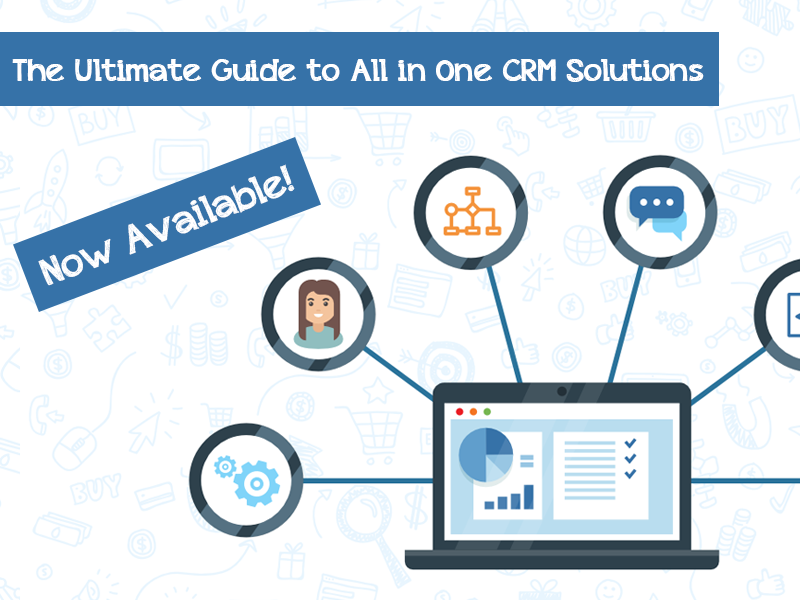
Best Enterprise CRM Solutions sets the stage for this enthralling narrative, offering readers a glimpse into a story that is rich in detail and brimming with originality from the outset. In today’s competitive business landscape, finding the right CRM solution can make all the difference in enhancing customer relationships and optimizing operational efficiency.
Understanding Enterprise CRM Solutions
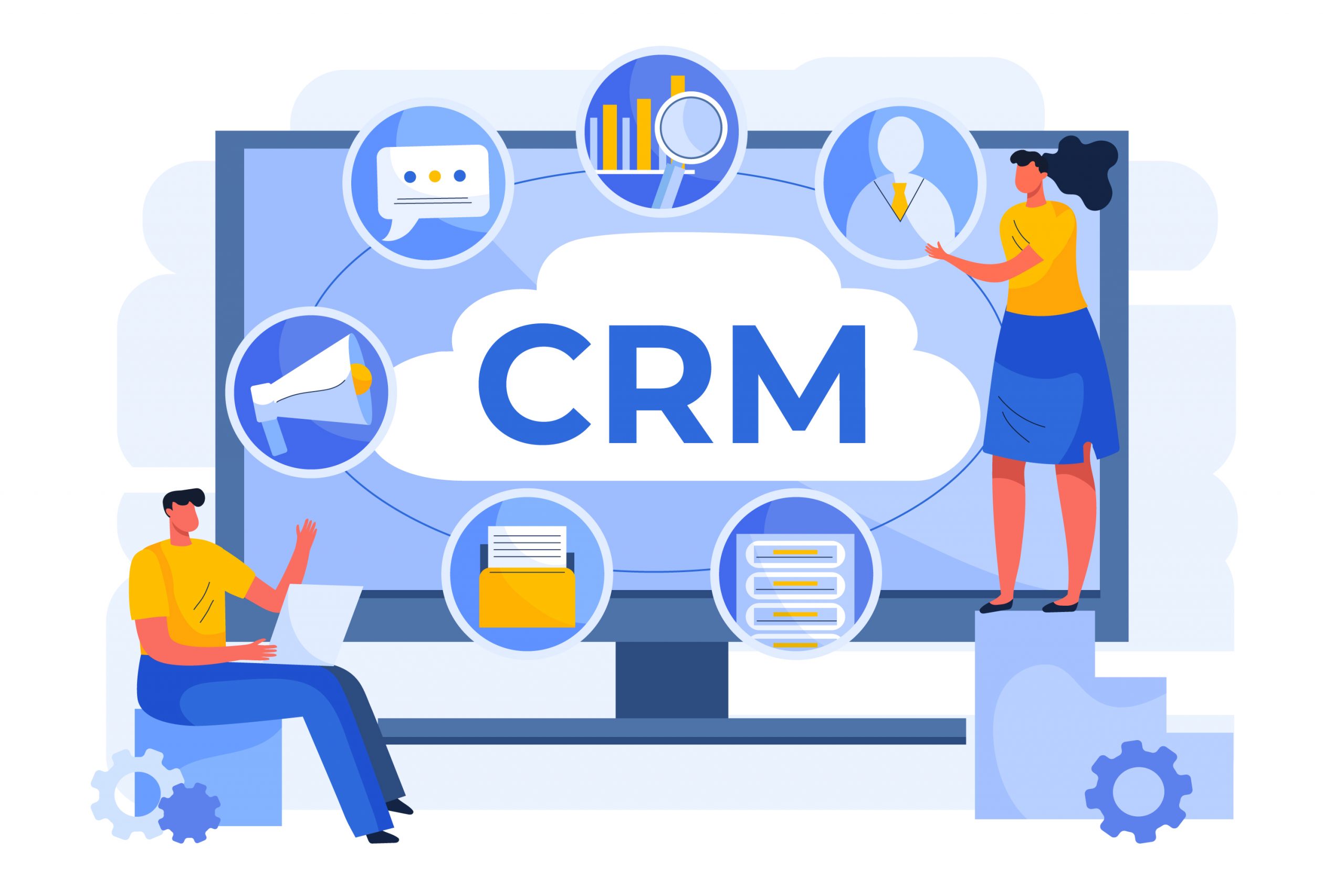
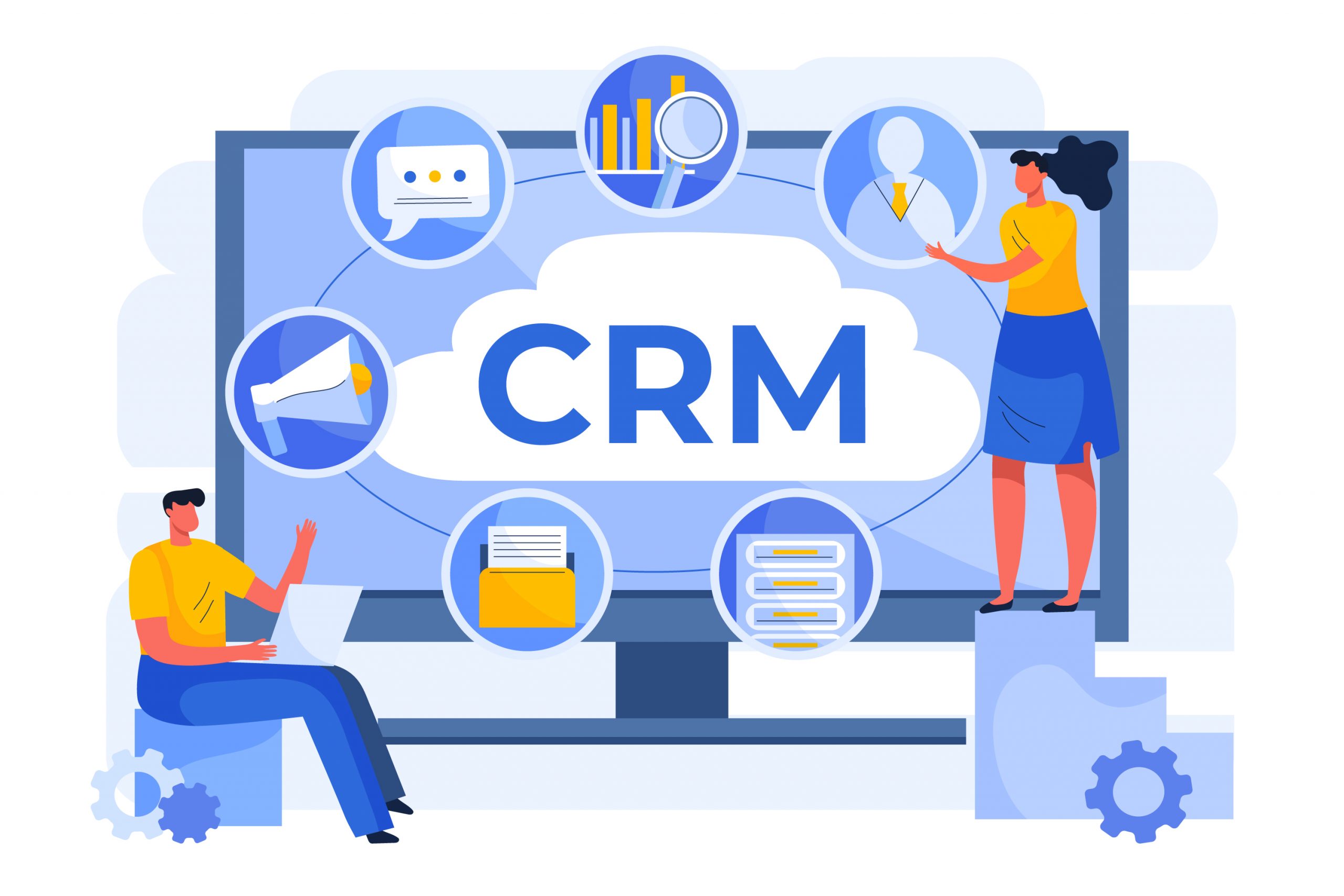
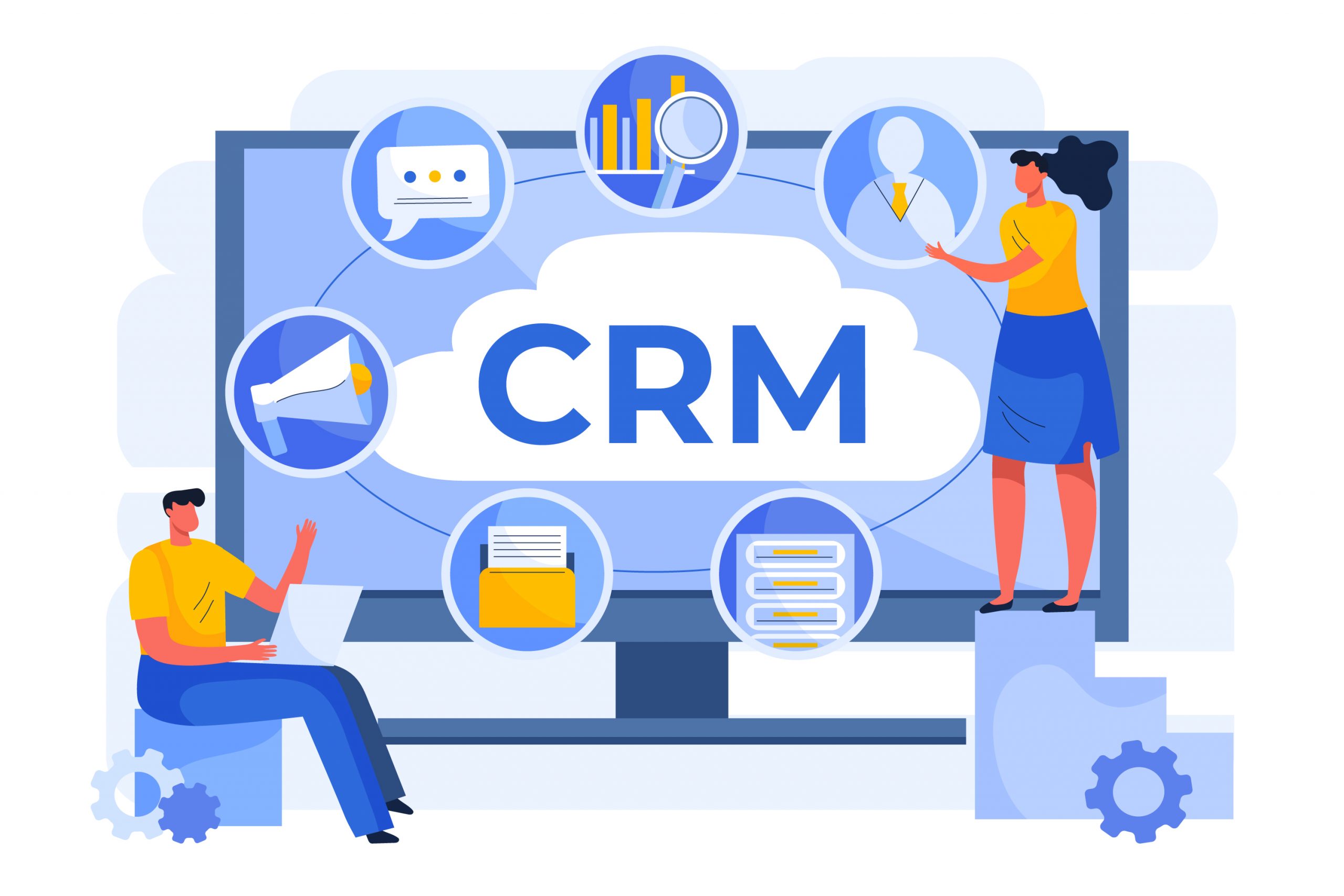
Enterprise CRM solutions are specialized software platforms designed to manage a company’s interactions with current and potential customers. These solutions are tailored for large businesses with complex customer relationship management needs.

Popular Enterprise CRM Software Providers and Key Features
Three popular Enterprise CRM software providers are Salesforce, Microsoft Dynamics 365, and Oracle CX. Each of these platforms offers unique features to cater to the diverse needs of large enterprises.
- Salesforce: Known for its user-friendly interface and extensive customization options, Salesforce provides tools for sales, marketing, customer service, and analytics.
- Microsoft Dynamics 365: Integrates seamlessly with Microsoft products and offers modules for sales, marketing, customer service, field service, and project service automation.
- Oracle CX: Offers a comprehensive suite of CRM applications including sales, marketing, service, and commerce, with a focus on data-driven insights and automation.
Successful Implementations and Impact
Companies like Coca-Cola, BMW, and Siemens have successfully implemented Enterprise CRM solutions, resulting in improved customer engagement, streamlined processes, and increased sales. For example, Coca-Cola used Salesforce to enhance its marketing campaigns and personalized customer interactions, leading to higher customer satisfaction and loyalty.
Pricing Plans Comparison
| CRM Software Provider | Basic Plan | Standard Plan | Premium Plan |
|---|---|---|---|
| Salesforce | $25/user/month | $75/user/month | $150/user/month |
| Microsoft Dynamics 365 | $50/user/month | $115/user/month | $210/user/month |
| Oracle CX | $80/user/month | $150/user/month | $250/user/month |
Top Features to Look for in Enterprise CRM Solutions
When selecting an Enterprise CRM solution, it is crucial to consider the features that will best suit your business needs. Here are some key features to look for:
1. Customization Options
Enterprise CRM solutions should offer a high level of customization to adapt to your unique business processes. Look for software that allows you to tailor fields, workflows, and reporting to match your specific requirements.
2. Integration Capabilities
The best Enterprise CRM solutions seamlessly integrate with other business systems such as ERP, marketing automation, and customer support tools. This ensures a smooth flow of data across different departments and enhances overall efficiency.
3. Scalability
Choose a CRM solution that can grow with your business. Scalability is essential to accommodate increasing data volumes and user numbers without compromising performance.
4. Mobile Accessibility
In today’s fast-paced business environment, mobile accessibility is a must-have feature. Ensure that the Enterprise CRM solution you choose offers mobile apps or responsive design for on-the-go access.
5. Advanced Analytics and Reporting
Effective decision-making relies on accurate data analysis. Look for CRM software that provides advanced analytics and reporting capabilities to track performance, identify trends, and make informed business decisions.
6. Security and Compliance
Protecting sensitive customer data is paramount. Choose an Enterprise CRM solution that prioritizes security measures, such as encryption, role-based access control, and compliance with industry regulations like GDPR.
7. Customer Support and Training
A reliable CRM vendor should offer comprehensive customer support and training resources to help your team make the most of the software. Look for vendors that provide onboarding assistance, regular updates, and responsive technical support.
8. User-Friendly Interface
An intuitive and user-friendly interface is essential for user adoption and productivity. Choose a CRM solution with a clean and organized interface that makes it easy for users to navigate and perform tasks efficiently.
9. AI and Automation
Artificial intelligence and automation capabilities can streamline repetitive tasks, improve data accuracy, and enhance customer interactions. Look for Enterprise CRM solutions that leverage AI and automation to optimize workflows and boost productivity.
Factors to Consider When Choosing an Enterprise CRM Solution
When selecting an Enterprise CRM solution, there are several key factors to consider that can significantly impact the success of your CRM implementation.
Scalability and Flexibility Considerations
One crucial factor to consider is the scalability and flexibility of the CRM solution. It should be able to grow and adapt to your business needs as you expand and evolve. Look for a CRM system that can easily accommodate changes in your organization’s size, structure, and processes.
User Experience and Interface Design
The user experience and interface design of the CRM software play a vital role in its adoption and effectiveness. A user-friendly interface that is intuitive and easy to navigate can increase user engagement and productivity. Make sure to choose a CRM solution with a clean and organized interface that aligns with your team’s workflow.
Security Measures
Security is paramount when it comes to Enterprise CRM solutions. Ensure that the CRM software offers robust security features such as data encryption, access controls, and regular security updates to protect sensitive customer information and company data.
Cloud-Based vs. On-Premise Options
When deciding between cloud-based and on-premise CRM solutions, consider factors like cost, scalability, maintenance, and accessibility. Cloud-based CRM systems offer the advantage of easy access from anywhere with an internet connection, while on-premise solutions provide greater control over data and customization options.
Key Integrations
An Enterprise CRM solution should support key integrations with other business systems such as marketing automation platforms, ERP software, and customer support tools. Seamless integration with these systems can improve data sharing, streamline processes, and provide a holistic view of customer interactions.
Role of Analytics and Reporting Features
Analytics and reporting features are essential for evaluating CRM performance and identifying areas for improvement. Look for a CRM solution that offers robust analytics tools, customizable reports, and real-time insights to track key metrics, monitor trends, and make data-driven decisions.
Case Studies of Successful Implementation
Implementing Enterprise CRM solutions has proven to be beneficial for various companies, leading to improved customer relationships and streamlined business operations. Let’s explore some case studies of successful implementation:
Impact on Customer Relationships
- Company XYZ implemented an Enterprise CRM solution to centralize customer data, resulting in personalized interactions and increased customer satisfaction.
- By utilizing CRM software, Company ABC was able to track customer interactions across multiple channels, leading to improved communication and better understanding of customer needs.
Enhancement of Business Operations
- Organization LMN saw a significant increase in efficiency after implementing an Enterprise CRM solution, allowing for better task management and streamlined workflows.
- Through the automation features of CRM software, Company PQR was able to reduce manual processes, resulting in time and cost savings.
Scalability in Different Industries
- Industry-specific customization of CRM solutions enabled Company UVW to scale their operations and adapt to changing market demands effectively.
- Company EFG demonstrated the versatility of CRM solutions by successfully implementing them in both B2B and B2C sectors, showcasing the adaptability of such systems.
Challenges and Solutions
- During implementation, Company RST faced data migration challenges, which were overcome through thorough planning and collaboration with CRM providers.
- Company JKL encountered resistance from employees towards adopting the new CRM system, but through training and change management strategies, they successfully onboarded the staff.
Role of Data Analytics
- By utilizing data analytics tools integrated into CRM solutions, Company GHI was able to gain valuable insights into customer behavior, leading to targeted marketing campaigns and improved sales strategies.
- Real-time analytics provided by CRM software enabled Company WXY to make data-driven decisions, enhancing overall business performance and competitiveness.
Customization Options in Enterprise CRM Solutions
Customization plays a crucial role in tailoring Enterprise CRM solutions to meet the specific needs of businesses. Let’s delve into the level of customization available in leading Enterprise CRM software and how it enhances the overall efficiency and effectiveness of CRM implementations.
Customizable Features in Enterprise CRM Solutions
- Custom Fields: Leading CRM solutions offer the flexibility to create custom fields to capture unique data points relevant to the business.
- Workflow Customization: Businesses can customize workflows to automate processes, streamline tasks, and ensure consistency in operations.
- Module Customization: Enterprises have the option to customize modules within the CRM system to align with their organizational structure and requirements.
Customizing Workflows, Fields, and Modules
Customizing workflows, fields, and modules within Enterprise CRM solutions involves a structured process to ensure seamless integration and functionality. Businesses can work closely with CRM administrators or developers to define requirements and implement the necessary customizations.
Integration Capabilities and Customizations
- Integration Flexibility: Enterprise CRM software offers robust integration capabilities with other business systems such as ERP, marketing automation, and customer support platforms.
- Custom Integration: Businesses can customize integrations to ensure seamless data flow between different systems, enhancing data visibility and accessibility.
Enhancing Efficiency through Customizations
Case Study: A manufacturing company customized its CRM system to integrate with its inventory management software, resulting in real-time inventory updates and improved order processing efficiency.
Role of CRM Administrators and Developers
CRM administrators and developers play a pivotal role in managing and implementing customizations within an Enterprise CRM solution. They work closely with business stakeholders to understand requirements, configure the system accordingly, and ensure smooth operation of customized features.
Integration Capabilities with Third-Party Tools
When it comes to Enterprise CRM solutions, the ability to seamlessly integrate with third-party tools is crucial for enhancing workflow efficiency and maximizing productivity. Let’s explore the integration options available and how they can benefit businesses.
Comparison of Salesforce and HubSpot CRM Integration Capabilities
- Salesforce: Known for its robust API support, Salesforce offers a wide range of integration options with popular third-party tools such as MailChimp, Slack, and Google Apps. This allows for a seamless connection between CRM data and external applications, streamlining processes and increasing automation.
- HubSpot CRM: While HubSpot CRM also provides solid integration capabilities, it focuses more on its native integrations with tools like Gmail, Outlook, and Zapier. This makes it easy for users to connect their CRM system with commonly used applications without the need for extensive customization.
Setting up Zapier Integration for Automated Data Syncing
Zapier is a powerful tool that enables users to connect different apps and automate workflows without any coding. Here are the steps to set up a Zapier integration with a CRM system:
- Sign up for a Zapier account and create a new Zap.
- Choose your CRM system and set up the trigger event.
- Select the action app where you want to send the data.
- Map the data fields between the CRM system and the action app.
- Test the Zap to ensure it works correctly and activate it.
Microsoft Dynamics CRM Compatibility with Third-Party Tools
| Third-Party Tool | Benefits of Integration |
|---|---|
| Outlook | Seamless email integration for better communication tracking. |
| Enhanced social selling capabilities and lead generation. | |
| Adobe Sign | Efficient document management and e-signature functionality. |
Utilizing Webhooks for CRM Integration
Webhooks allow real-time communication between applications by sending automatic notifications when a specific event occurs. This can be used to connect a CRM platform with external applications for data synchronization and workflow automation.
Here is a sample code snippet demonstrating how Webhooks can be utilized to establish a connection between a CRM system and external tools:
  // Sample code for setting up Webhook integration

  webhook.on('data_updated', function(data)

    // Process the updated data and trigger actions in external applications

  );
User Training and Support
Implementing Enterprise CRM solutions can be a game-changer for businesses, but the success of the system heavily relies on user training and ongoing support. Without proper training and support, employees may struggle to utilize the CRM software effectively, leading to underutilization and potential failure of the system.
Best Practices for Training Employees on Using CRM Software Effectively
- Customized Training Programs: Tailor training sessions to the specific needs and roles of employees to ensure relevance and maximum learning retention.
- Hands-on Workshops: Provide interactive workshops where employees can practice using the CRM system in real-life scenarios to enhance understanding and confidence.
- Ongoing Training Modules: Offer continuous training modules to address new features, updates, and best practices to keep employees up-to-date and engaged.
- Role-based Training: Customize training based on different user roles within the organization to ensure that each employee knows how to utilize the CRM system according to their responsibilities.
The Role of Ongoing Support and Maintenance in Ensuring CRM System Success
Ongoing support and maintenance are essential to ensure the long-term success of an Enterprise CRM system. It involves providing assistance, troubleshooting, and updates to address any issues or changes in the system.
- Dedicated Support Team: Have a dedicated support team or helpdesk in place to address user queries, technical issues, and provide timely assistance when needed.
- Regular System Check-ups: Conduct regular system check-ups to identify and resolve any potential issues before they escalate, ensuring smooth operation of the CRM system.
- User Feedback Mechanisms: Encourage users to provide feedback on the CRM system to continuously improve user experience and address any pain points effectively.
- Training Refreshers: Offer periodic training refreshers to reinforce learning, introduce new features, and ensure that employees are maximizing the potential of the CRM system.
Pricing Models and Cost Considerations
When looking for the best Enterprise CRM solution, it is crucial to consider the pricing models and cost implications that come with it. Understanding the various factors that influence the cost of implementing and maintaining CRM software can help organizations make informed decisions and optimize their expenses.
Comparison of Pricing Models
Before choosing an Enterprise CRM solution, it is essential to compare the pricing models offered by different providers. Here is a comparison of the pricing structures of three major CRM providers:
| CRM Provider | Pricing Model |
|---|---|
| Provider A | Subscription-based |
| Provider B | One-time payment |
| Provider C | Usage-based |
Factors Influencing Cost
- Customization requirements
- Number of users
- Integration complexity
- Training and support needs
Optimizing Costs
- Consider open-source CRM solutions
- Choose only necessary features
- Negotiate pricing with vendors
Hidden Costs to Be Aware Of
- Additional user licenses
- Integration fees
- Data migration costs
Effective negotiation strategies can help organizations secure better pricing deals with CRM vendors.
Data Security and Compliance
In the digital age, ensuring data security and compliance with regulations is paramount for businesses utilizing Enterprise CRM solutions. Let’s delve into the importance of data security features and the compliance regulations that CRM software should adhere to.
Importance of Data Security Features
Data security features in Enterprise CRM solutions play a crucial role in safeguarding sensitive information and maintaining the trust of customers. Some key security features to look for include:
- Encryption protocols to secure data transmission.
- Role-based access control to restrict unauthorized access to data.
- Regular data backups to prevent loss of information.
- Audit trails for tracking user activities and changes in the system.
Compliance Regulations
CRM software must adhere to various compliance regulations to protect data privacy and ensure ethical handling of information. Some of the key compliance regulations that Enterprise CRM solutions should comply with include:
| 1. GDPR (General Data Protection Regulation) | – Ensures the protection of personal data for individuals within the European Union. |
| 2. HIPAA (Health Insurance Portability and Accountability Act) | – Ensures the security and privacy of healthcare data in the United States. |
| 3. CCPA (California Consumer Privacy Act) | – Protects the privacy rights of California residents and their personal information. |
Strategies for Maintaining Data Privacy and Security
Implementing robust strategies for maintaining data privacy and security in CRM systems is essential to mitigate risks of data breaches and unauthorized access. Some effective strategies include:
- Regular security audits to identify vulnerabilities and enhance security measures.
- Employee training on data security best practices to prevent human errors.
- Implementing multi-factor authentication for added security layers.
- Partnering with reliable data security providers for advanced protection measures.
Mobile Accessibility and Remote Work Capabilities
In today’s fast-paced business environment, the ability to access Enterprise CRM solutions on mobile devices and work remotely has become crucial for many organizations. Let’s explore how leading CRM software providers are addressing mobile accessibility and remote work capabilities.
Mobile Accessibility Features
- Mobile Apps: Many Enterprise CRM solutions offer dedicated mobile applications that allow users to access the platform from their smartphones or tablets.
- Responsive Design: CRM systems with responsive design ensure seamless user experience across different devices, including mobile phones.
- Offline Access: Some CRM software provides offline access features, enabling users to view and update data even without an internet connection.
- Push Notifications: Mobile CRM apps often come with push notifications to alert users about important updates, tasks, or events in real-time.
Remote Work Integration
- Cloud-Based Solutions: Enterprise CRM systems hosted on the cloud enable remote teams to access the platform from anywhere with an internet connection.
- Collaboration Tools: CRM software often integrates with collaboration tools like Slack or Microsoft Teams, facilitating communication and teamwork among remote employees.
- Virtual Meetings: Some CRM platforms offer integration with video conferencing tools, making it easier for remote teams to conduct virtual meetings and discussions.
- Task Management: Remote work capabilities in CRM systems include features for assigning tasks, setting deadlines, and tracking progress even when team members are working from different locations.
Benefits of Mobile CRM for Remote Teams
- Flexibility: Remote teams can access CRM data on-the-go, allowing for flexibility in managing tasks and staying updated on customer interactions.
- Increased Productivity: Seamless mobile access to CRM systems ensures that remote employees can stay productive and collaborate efficiently from any location.
- Real-Time Updates: Mobile CRM apps provide real-time updates and notifications, keeping remote teams informed about changes and developments in the system.
- Improved Customer Service: With mobile accessibility, remote teams can respond to customer queries and concerns promptly, enhancing overall customer service levels.
Reporting and Analytics Functionality
In Enterprise CRM solutions, reporting and analytics tools play a crucial role in providing valuable insights and data-driven decision-making capabilities for businesses.
Data Visualization and Analysis
- CRM systems offer advanced data visualization tools that allow users to create customized reports and dashboards.
- These tools enable businesses to track key metrics, analyze trends, and monitor performance in real-time.
- By visualizing data, organizations can gain a comprehensive view of their customer interactions and business operations.
Predictive Analytics
- Enterprise CRM solutions often incorporate predictive analytics algorithms to forecast customer behavior and identify potential opportunities.
- These predictive models help businesses anticipate customer needs, optimize marketing strategies, and improve overall decision-making processes.
- By leveraging predictive analytics, organizations can proactively address customer issues and enhance their customer relationships.
Key Performance Indicators (KPIs) Tracking
- CRM analytics allow businesses to track and measure a wide range of KPIs, such as customer acquisition costs, retention rates, and customer lifetime value.
- Monitoring these KPIs provides insights into the effectiveness of sales and marketing efforts, customer satisfaction levels, and overall business performance.
- By tracking KPIs, organizations can identify areas for improvement, set performance benchmarks, and align their strategies with business objectives.
Industry-Specific CRM Solutions
Industry-specific CRM solutions are tailored to meet the unique needs of various industries such as healthcare, finance, or retail. These specialized CRM software options offer specific features and functionalities that cater to the particular requirements of businesses operating within those industries.
Healthcare CRM Solutions
- Healthcare CRM solutions are designed to manage patient interactions, appointments, and medical records efficiently.
- These systems often include features for compliance with healthcare regulations and data security measures.
- Examples of healthcare CRM solutions include Salesforce Health Cloud and Solutionreach.
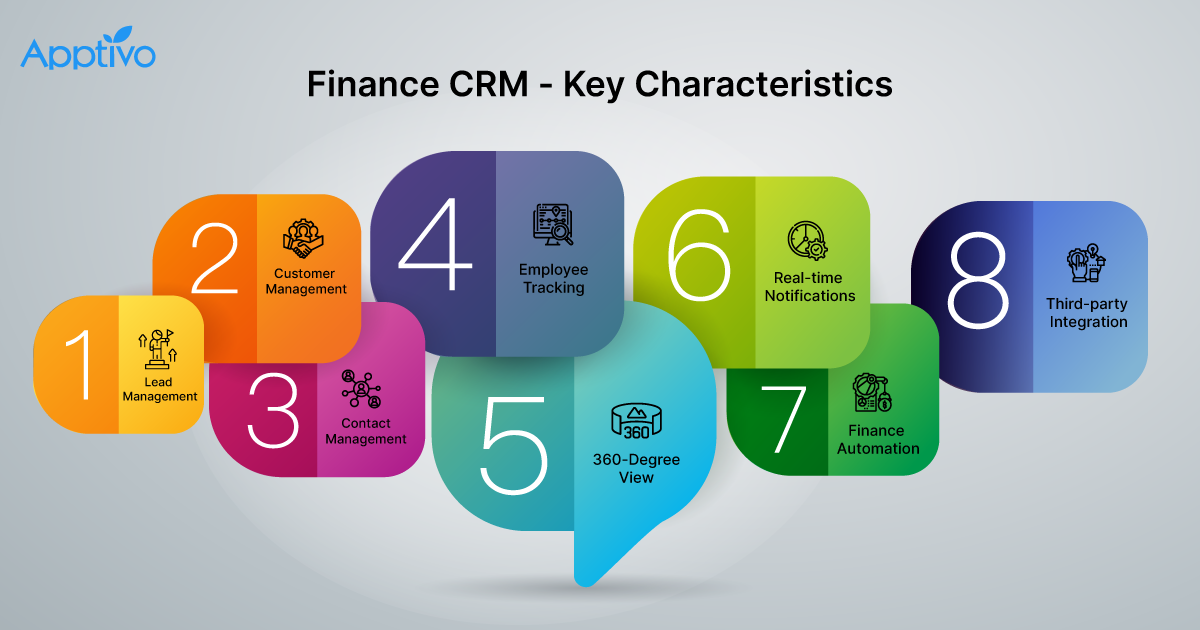
Finance CRM Solutions
- Finance CRM solutions focus on managing client relationships, financial data, and investment portfolios.
- They often integrate with banking systems and offer tools for financial planning and analysis.
- Popular finance CRM solutions include Redtail CRM and Wealthbox.
Retail CRM Solutions
- Retail CRM solutions help businesses track customer purchase history, preferences, and loyalty program participation.
- These systems offer features for inventory management, promotions, and customer segmentation.
- Examples of retail CRM solutions include Shopify and Lightspeed Retail.
Implementation Strategies for Enterprise CRM Solutions
Implementing Enterprise CRM solutions effectively is crucial for maximizing the benefits of CRM systems within an organization. Let’s explore the key steps, challenges, best practices, and components involved in successful CRM implementation.
Key Steps in Implementing Enterprise CRM Solutions
- Define clear objectives and goals for CRM implementation.
- Select the right CRM solution that aligns with your business needs.
- Prepare a detailed implementation plan with timelines and responsibilities.
- Conduct data migration and integration to ensure seamless transition of information.
- Provide comprehensive user training and support for effective adoption.
Common Challenges During CRM Implementation and Solutions
- Lack of top management support – Ensure leadership buy-in and involvement throughout the process.
- Poor data quality – Invest in data cleansing and validation processes before migration.
- Resistance to change – Communicate the benefits of CRM system and involve employees in decision-making.
Best Practices for a Smooth Transition to a New CRM System
- Engage key stakeholders from different departments in the planning and decision-making process.
- Regularly communicate progress, updates, and benefits of CRM implementation to all employees.
- Create a feedback loop to address user concerns and continuously improve the CRM system.
Key Components of an Enterprise CRM System
- Customer database for storing and managing customer information.
- Sales automation tools for lead management and pipeline tracking.
- Marketing automation features for targeted campaigns and customer engagement.
- Customer service and support functionalities for seamless interaction with clients.
Significance of Data Migration and Integration in CRM Implementation
Data migration ensures that existing customer data is accurately transferred to the new CRM system, while integration enables seamless communication between different software applications used within the organization.
User Training and Adoption in Maximizing CRM Benefits
Providing comprehensive user training and support is essential for ensuring that employees are proficient in using the CRM system, leading to increased productivity and improved customer relationships.
Successful CRM Implementation Case Studies
- Company X increased sales by 30% after implementing a new CRM system that improved customer targeting and lead management.
- Organization Y streamlined its customer service operations and reduced response time by 50% through effective CRM implementation.
Role of Change Management in Aligning Organization with CRM Objectives
Change management involves creating a culture of openness, communication, and collaboration within the organization to ensure that employees embrace the new CRM system and align with the overall business objectives.
Customer Support and Satisfaction
Customer support plays a crucial role in the success of Enterprise CRM solutions. It is essential for businesses to effectively manage customer relationships and ensure high levels of satisfaction and retention. Utilizing CRM software can greatly improve customer service by providing a centralized platform for tracking customer interactions, preferences, and feedback.
Role of Customer Support Features in Enterprise CRM Solutions
Customer support features in Enterprise CRM solutions are designed to streamline communication with customers, resolve issues promptly, and provide personalized assistance. These features include ticketing systems, knowledge bases, live chat, and integration with communication channels like email and social media.
- Automated ticketing systems ensure that customer inquiries are routed to the right department and tracked until resolution.
- Knowledge bases allow customers to find answers to common questions on their own, reducing the need for direct support.
- Live chat enables real-time interactions with customers, addressing their concerns immediately and improving overall satisfaction.
- Integration with communication channels ensures that customer support is accessible through various platforms, meeting customers where they are.
Leveraging CRM Solutions for Enhanced Customer Experience
CRM solutions help businesses enhance the overall customer experience by providing a 360-degree view of each customer, enabling personalized interactions, and delivering timely support. By analyzing customer data and behavior, businesses can anticipate needs, offer tailored solutions, and build long-lasting relationships.
- Personalized interactions based on customer data lead to higher engagement and satisfaction levels.
- Timely support through automated workflows and notifications ensures that customer issues are addressed promptly.
- Consistent communication across channels helps businesses stay connected with customers and build trust over time.
Successful Customer Support Strategies through CRM Systems
An example of a successful customer support strategy implemented through CRM systems is proactive outreach based on customer behavior. By tracking customer interactions and purchase history, businesses can anticipate needs and offer relevant recommendations or assistance before customers even reach out for help.
- Utilizing CRM data to segment customers and target specific groups with personalized offers or support.
- Implementing automated follow-ups and reminders to ensure that customer issues are resolved in a timely manner.
- Integrating customer feedback mechanisms within the CRM system to gather insights and improve service quality continuously.
Setting Up an Automated Customer Support System within a CRM Platform
Setting up an automated customer support system within a CRM platform involves defining workflows, setting up triggers, and establishing escalation paths for different types of customer inquiries. By automating routine tasks and responses, businesses can streamline support processes, reduce response times, and enhance the overall customer experience.
An automated customer support system can help businesses handle a large volume of inquiries efficiently while maintaining a high level of service quality.
Benefits of Personalized Customer Support Using CRM Data
A case study highlighting the benefits of personalized customer support using CRM data showcases how a company improved customer satisfaction and loyalty by tailoring interactions based on customer preferences and history. By leveraging CRM insights, businesses can create personalized experiences that resonate with customers, foster brand advocacy, and drive long-term success.
Future Trends in Enterprise CRM Solutions
The future of Enterprise CRM solutions is being shaped by emerging technologies that are revolutionizing the way businesses interact with their customers. AI, automation, and machine learning are playing a significant role in the evolution of CRM software, making it more intelligent, efficient, and personalized than ever before. As businesses strive to stay competitive and meet the evolving needs of their customers, Enterprise CRM solutions are expected to continue to innovate and adapt to these changing demands.
AI-Powered Customer Insights
AI is revolutionizing the way businesses collect and analyze customer data, providing valuable insights that can be used to personalize interactions and tailor marketing strategies. By utilizing AI algorithms, Enterprise CRM solutions can predict customer behavior, identify trends, and recommend the best course of action to drive sales and improve customer satisfaction.
Automation for Streamlined Processes
Automation is becoming increasingly prevalent in Enterprise CRM solutions, enabling businesses to streamline repetitive tasks, improve efficiency, and reduce human error. By automating routine processes such as data entry, lead management, and customer support, businesses can free up their employees to focus on more strategic tasks and enhance the overall customer experience.
Enhanced Integration Capabilities
As businesses rely on a growing number of tools and platforms to manage their operations, Enterprise CRM solutions are evolving to offer enhanced integration capabilities. By seamlessly integrating with third-party tools such as marketing automation software, social media platforms, and e-commerce systems, CRM solutions can provide a comprehensive view of customer interactions and enable businesses to deliver more personalized and targeted marketing campaigns.
Predictive Analytics for Business Intelligence
The incorporation of machine learning and predictive analytics into Enterprise CRM solutions is enabling businesses to make data-driven decisions and gain valuable insights into customer behavior. By analyzing historical data and trends, CRM solutions can help businesses predict future outcomes, identify opportunities for growth, and optimize their marketing strategies to achieve better results.
Closure
As we conclude this exploration of the Best Enterprise CRM Solutions, it becomes evident that the right CRM system can truly transform the way businesses operate, interact with customers, and drive growth. With the right tools and strategies in place, companies can harness the power of CRM to unlock new opportunities and achieve sustainable success in the digital age.