CRM for Sales and Marketing Automation revolutionizes the way businesses manage customer interactions and data. Dive into this comprehensive guide to discover how CRM systems can enhance your sales and marketing strategies.
Overview of CRM for Sales and Marketing Automation
Customer Relationship Management (CRM) in the context of sales and marketing automation refers to the use of technology to manage interactions and relationships with potential and current customers. It involves organizing and analyzing customer data to improve business relationships and drive sales growth.



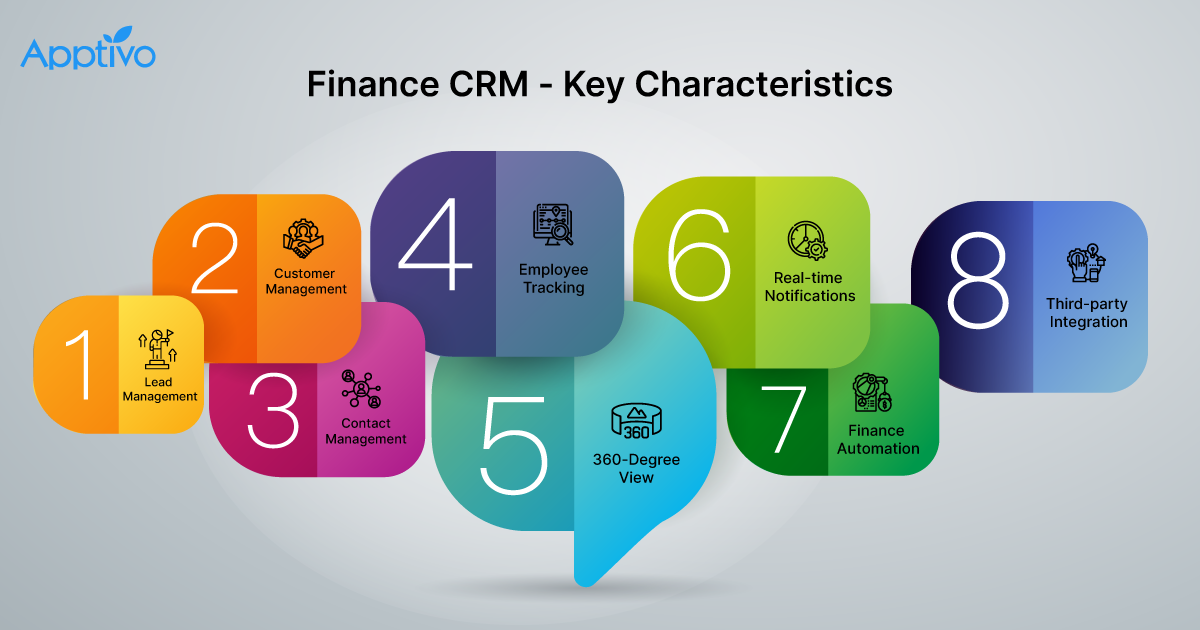
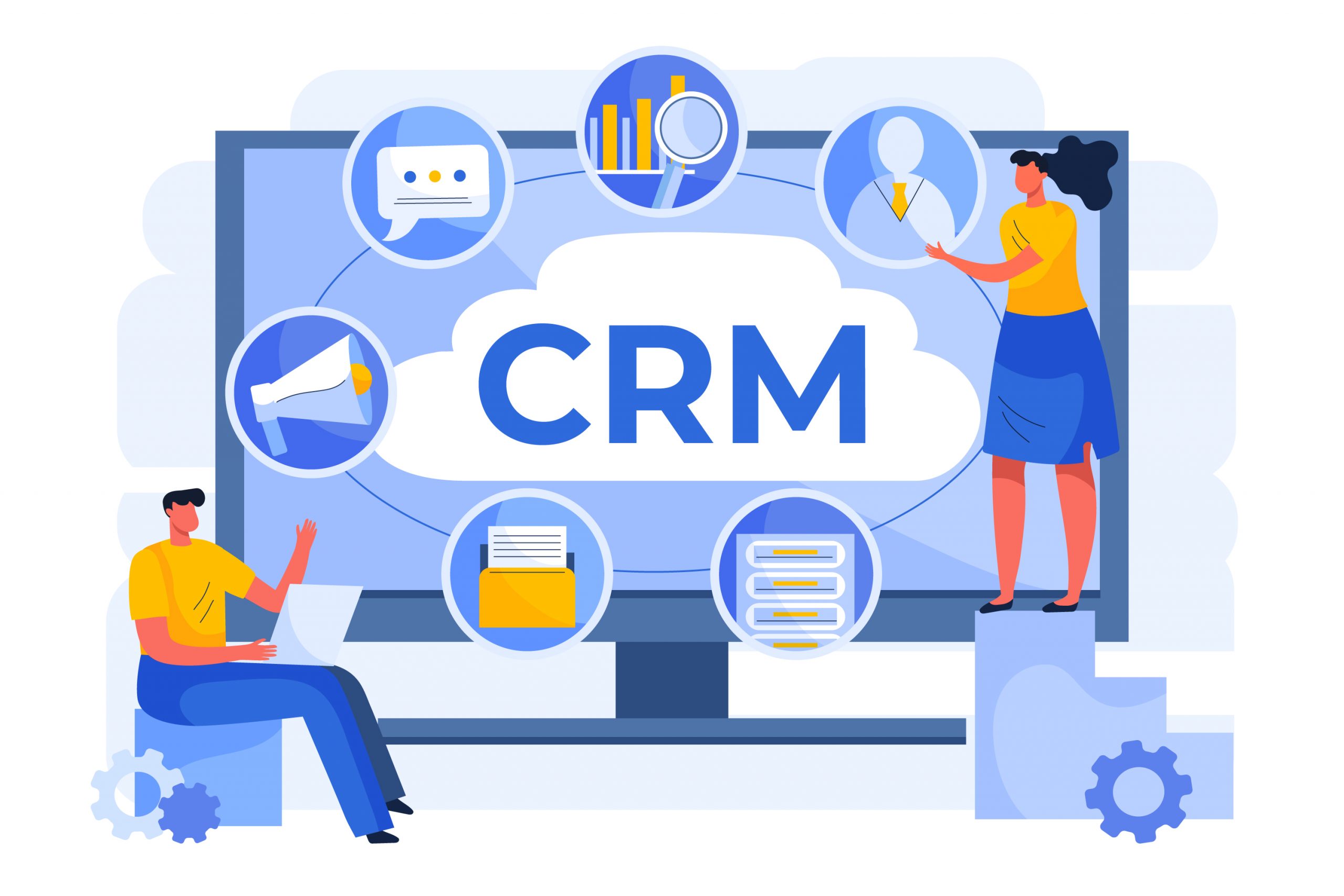
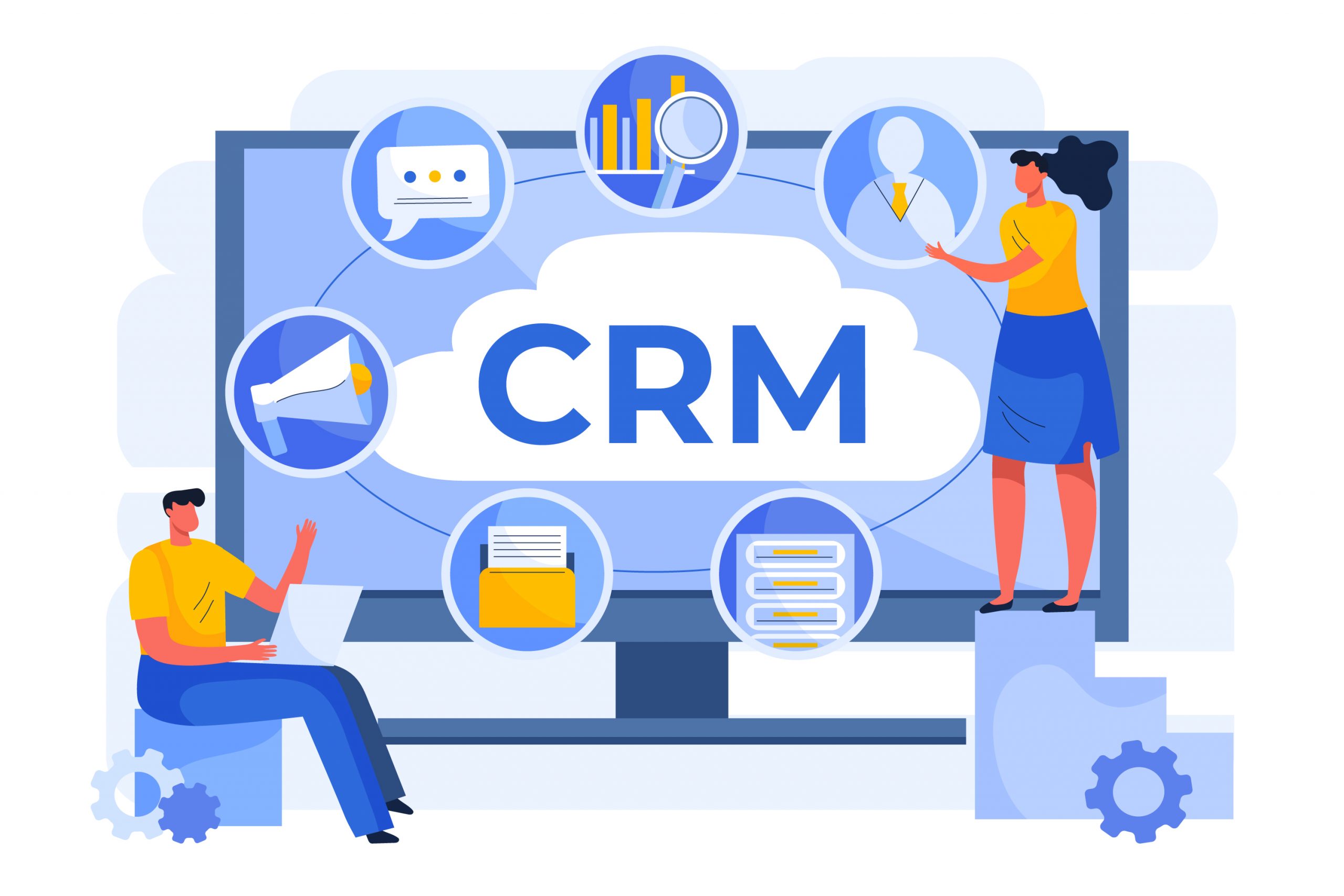
CRM plays a crucial role in streamlining sales and marketing processes by providing a centralized platform for managing customer information, communication, and sales activities. It helps businesses better understand their customers’ needs, preferences, and behaviors, enabling them to tailor their marketing strategies and sales pitches accordingly.
Importance of CRM in Streamlining Sales and Marketing Processes
- Enhanced Customer Relationships: CRM systems help in building stronger relationships with customers by providing a personalized experience based on their preferences and past interactions.
- Improved Efficiency: By automating repetitive tasks such as data entry, follow-ups, and lead nurturing, CRM systems save time and resources, allowing sales and marketing teams to focus on more strategic activities.
- Increased Sales Revenue: Through better lead management, targeted marketing campaigns, and sales forecasting, CRM systems contribute to higher conversion rates and revenue growth.
- Data-driven Decision Making: CRM systems provide valuable insights and analytics on customer behavior, sales performance, and marketing effectiveness, enabling businesses to make informed decisions and optimize their strategies.
Managing Customer Interactions and Data Effectively with CRM Systems
- Centralized Database: CRM systems act as a central repository for storing customer information, interactions, and transactions, ensuring that all team members have access to real-time data.
- Automation of Tasks: CRM systems automate routine tasks such as sending emails, scheduling appointments, and updating contact information, reducing manual effort and minimizing errors.
- Lead Tracking and Nurturing: CRM systems help track leads through the sales pipeline, allowing sales teams to prioritize leads, follow up at the right time, and nurture relationships effectively.
- Integration with Marketing Tools: CRM systems can be integrated with marketing automation tools to create seamless workflows, aligning sales and marketing efforts for better collaboration and results.
Key Features of CRM Systems
CRM systems offer a wide range of features designed to streamline sales and marketing processes, enhance customer relationships, and drive business growth. Let’s explore some of the key features that make CRM systems essential for sales and marketing automation.
Automation Tools for Streamlined Workflows
- Automated email campaigns
- Scheduled follow-ups and reminders
- Workflow automation for lead nurturing
- Automated data entry and updates
Lead Management and Customer Segmentation
- Lead scoring and prioritization
- Segmentation based on demographics, behavior, and interactions
- Lead tracking and monitoring throughout the sales funnel
- Personalized communication based on customer data
Popular CRM Software in the Industry
- Salesforce
- HubSpot CRM
- Zoho CRM
- Microsoft Dynamics 365
Customization Options in CRM Systems
- Custom fields and modules to fit specific business needs
- Workflow customization for unique sales processes
- Integration with third-party apps for extended functionality
- Personalized dashboards and reporting tools
Data Analytics and Reporting Capabilities
- Real-time analytics for performance tracking
- Customizable reports for sales forecasting and trend analysis
- Data visualization tools for easy interpretation
- Integration with BI tools for advanced analytics
Integrations with Other Tools for Enhanced Functionality
- Email marketing platforms for targeted campaigns
- Social media integration for lead generation and engagement
- Customer service platforms for seamless support processes
- E-commerce platforms for unified sales and marketing efforts
Benefits of Using CRM for Sales and Marketing
Implementing CRM systems for businesses can offer a wide range of advantages. From enhancing customer engagement and retention to improving sales forecasting and reporting, CRM plays a crucial role in streamlining sales and marketing processes. Let’s explore some of the key benefits of using CRM for sales and marketing.
Enhanced Customer Engagement and Retention
- CRM systems help businesses better understand their customers’ needs and preferences, allowing for personalized interactions and targeted marketing campaigns.
- By tracking customer interactions and feedback, businesses can build stronger relationships and improve customer retention rates.
- Automation features in CRM systems enable timely follow-ups and proactive communication, leading to increased customer satisfaction and loyalty.
Improved Sales Forecasting and Reporting
- CRM systems provide valuable insights into sales trends, customer behavior, and market dynamics, enabling more accurate sales forecasting.
- Advanced reporting tools in CRM platforms help businesses track key performance metrics, identify sales opportunities, and optimize sales strategies.
- Real-time data updates and analytics empower sales teams to make informed decisions and drive revenue growth more effectively.
Successful CRM Implementation in Sales and Marketing
- Companies like Salesforce, HubSpot, and Zoho have successfully implemented CRM solutions to streamline their sales and marketing processes, leading to improved efficiency and productivity.
- These companies have leveraged CRM features such as lead scoring, pipeline management, and campaign tracking to drive revenue growth and achieve business objectives.
- By integrating CRM data with marketing automation tools, businesses can create targeted campaigns, nurture leads, and convert prospects into loyal customers more efficiently.
Key Features to Look for in a CRM System
- Customizable dashboards and reports for real-time insights
- Integration capabilities with third-party applications
- Mobile access for on-the-go sales and marketing teams
- Lead management tools for efficient lead tracking and nurturing
- Automated workflows for streamlined processes
Comparison of CRM Software Options
- Salesforce: Known for its scalability and robust features
- HubSpot: Popular for its user-friendly interface and marketing automation capabilities
- Zoho CRM: Offers affordable pricing and extensive customization options
Integrating CRM Data with Marketing Automation Tools
- Step 1: Identify key data points for integration, such as customer demographics, purchase history, and engagement metrics.
- Step 2: Set up data synchronization between CRM and marketing automation platforms to ensure seamless data flow.
- Step 3: Use integrated data to create targeted campaigns, personalized content, and automated workflows for enhanced lead nurturing and conversion.
Case Studies of Companies with Significant ROI from CRM Solutions
- Company A: Implemented CRM to streamline sales processes, resulting in a 20% increase in sales revenue within the first year.
- Company B: Leveraged CRM data for personalized marketing campaigns, leading to a 15% boost in customer retention rates.
- Company C: Integrated CRM with marketing automation tools for lead scoring and nurturing, achieving a 25% increase in conversion rates.
Integration of CRM with Sales and Marketing Processes
Integrating CRM software with sales and marketing tools is crucial for businesses looking to streamline their processes and improve efficiency. By connecting CRM systems with sales and marketing platforms, companies can ensure a seamless flow of information and data across different departments.
Streamlining Lead Generation and Conversion
Integrating CRM with sales and marketing tools can greatly enhance lead generation and conversion rates by:
- Automating lead capture and follow-up processes, ensuring no potential leads fall through the cracks.
- Providing sales teams with valuable insights into customer behavior and preferences, enabling more targeted and effective sales pitches.
- Enabling marketing teams to create personalized and targeted campaigns based on customer data collected in the CRM system.
Impact of CRM Integration on Cross-Departmental Collaboration
CRM integration can have a significant impact on cross-departmental collaboration within an organization by:
- Facilitating the sharing of real-time data and insights between sales, marketing, and customer service teams, leading to a more unified approach in engaging with customers.
- Improving communication and coordination between departments, reducing silos and ensuring everyone is working towards common goals.
- Enhancing visibility into the customer journey for all departments, allowing for a more personalized and seamless customer experience.
Customization and Personalization in CRM
In the realm of sales and marketing, customization and personalization play a crucial role in establishing strong customer relationships and driving business growth. Let’s delve into the significance of tailoring CRM systems to meet specific needs and how personalized interactions can be achieved using CRM tools.
Importance of Customizing CRM Systems
Customizing CRM systems allows businesses to align the software with their unique sales and marketing processes. By tailoring CRM functionalities to match specific requirements, organizations can enhance efficiency, improve user adoption, and ultimately boost productivity. Customization enables businesses to capture relevant data, track key metrics, and streamline communication, leading to better decision-making and increased sales effectiveness.
Personalized Customer Interactions through CRM Tools
CRM tools enable personalized customer interactions by collecting and analyzing customer data to understand preferences, behavior patterns, and buying history. This information empowers sales and marketing teams to tailor their messaging, offers, and follow-ups to meet individual customer needs. Through CRM, businesses can create targeted campaigns, send personalized communications, and provide timely responses, fostering stronger relationships and customer loyalty.
Successful CRM Customization Examples
One successful example of CRM customization is Salesforce’s AppExchange, which offers a wide range of third-party integrations and extensions to tailor the CRM platform to specific business requirements. Another example is HubSpot’s customizable workflows, allowing users to automate tasks, personalize communications, and track customer interactions seamlessly. These customization options empower sales and marketing teams to optimize their CRM systems for maximum efficiency and effectiveness.
Tailoring CRM Dashboards for Key Sales Metrics
To effectively track key sales metrics, businesses can customize CRM dashboards by adding relevant widgets, reports, and graphs that provide real-time insights into performance. A step-by-step guide to tailoring CRM dashboards includes identifying key performance indicators (KPIs), creating custom reports, setting up dashboards, and regularly reviewing and adjusting metrics based on evolving business needs. By customizing dashboards, organizations can visualize data, monitor progress, and make informed decisions to drive sales growth.
Integrating AI and Machine Learning in CRM for Personalized Marketing
Integrating AI and machine learning algorithms into CRM systems enhances personalized marketing campaigns by analyzing customer data, predicting behavior, and automating processes. These technologies enable businesses to segment customers based on preferences, target specific audience segments with personalized content, and deliver tailored recommendations and offers. By leveraging AI and machine learning in CRM, organizations can optimize marketing strategies, improve customer engagement, and drive conversions effectively.
Segmenting Customer Data in CRM Databases for Targeted Marketing
Segmenting customer data in CRM databases involves categorizing customers into groups based on demographics, behavior, or preferences. This segmentation allows businesses to deliver targeted marketing messages, personalize communications, and tailor promotions to specific audience segments. By understanding customer segments, organizations can create personalized campaigns, improve customer retention, and enhance overall marketing ROI.
Benefits of CRM Customization for B2B Sales vs. B2C Marketing
Customizing CRM for B2B sales focuses on managing complex sales cycles, nurturing long-term relationships, and aligning sales and marketing efforts. In contrast, CRM customization for B2C marketing emphasizes engaging a larger audience, delivering personalized experiences, and optimizing customer interactions across multiple channels. While B2B sales benefit from CRM customization in improving lead management and pipeline visibility, B2C marketing gains advantages in enhancing customer engagement and driving repeat purchases through personalized campaigns.
Data Management and Analysis in CRM
CRM plays a crucial role in data management and analysis for sales and marketing purposes. By effectively storing, organizing, and analyzing data, CRM systems provide valuable insights that help businesses make informed decisions and drive growth.
Tracking Customer Interactions and Behavior
- CRM systems enable businesses to track customer interactions across various touchpoints, such as emails, calls, meetings, and website visits.
- By capturing and storing data on customer behavior, preferences, and buying patterns, CRM systems help businesses understand their customers better.
- Tracking customer interactions and behavior allows businesses to personalize their marketing efforts, tailor their sales strategies, and improve customer satisfaction.
Use of Data Analytics in CRM
- Data analytics in CRM involves the use of advanced tools and techniques to analyze large volumes of data and extract meaningful insights.
- By leveraging data analytics, businesses can identify trends, patterns, and correlations in customer data, helping them make data-driven decisions.
- CRM systems use predictive analytics to forecast customer behavior, anticipate market trends, and optimize sales and marketing strategies.
- Data analytics in CRM enables businesses to measure the effectiveness of their marketing campaigns, track sales performance, and identify areas for improvement.
CRM Implementation Best Practices
Implementing CRM systems in sales and marketing operations can be a game-changer for businesses looking to streamline processes and boost productivity. However, there are certain best practices that organizations should follow to ensure successful implementation and maximize the benefits of CRM.
Identifying Key Stakeholders
- Engage key stakeholders from sales, marketing, IT, and management teams from the beginning to gain buy-in and ensure alignment with organizational goals.
- Establish a clear communication plan to keep all stakeholders informed and involved throughout the implementation process.
- Define roles and responsibilities to ensure accountability and smooth execution of the CRM implementation project.
Data Migration and Integration
- Conduct a thorough data audit to identify relevant data sources and ensure data quality before migration to the CRM system.
- Integrate CRM with existing sales and marketing tools to enable seamless data flow and maximize the value of customer information.
- Train employees on data entry best practices to maintain data accuracy and consistency in the CRM system.
Customization and Configuration
- Customize the CRM system to align with your organization’s specific sales and marketing processes, workflows, and reporting requirements.
- Configure dashboards and reports to provide actionable insights for sales and marketing teams to make informed decisions and drive performance.
- Regularly review and update configurations based on user feedback and evolving business needs to optimize CRM usage.
User Adoption and Training
- Provide comprehensive training to employees on how to use the CRM system effectively to increase user adoption and engagement.
- Create user-friendly interfaces and workflows to simplify tasks and encourage employees to leverage CRM capabilities in their daily activities.
- Offer ongoing support and resources to address user queries, troubleshoot issues, and promote continuous learning and improvement.
CRM Security and Compliance
Data security and compliance are crucial aspects of CRM systems, especially when it comes to sales and marketing automation. Ensuring the privacy and protection of sensitive information is essential to maintaining trust with customers and adhering to legal requirements.
Importance of Data Security in CRM
- Protecting customer data: CRM systems store a vast amount of customer information, including contact details, purchase history, and communication records. Ensuring this data is secure is vital to safeguarding customer privacy.
- Preventing data breaches: Unauthorized access to CRM data can lead to data breaches, resulting in reputation damage, financial losses, and legal consequences. Implementing robust security measures is crucial to prevent such incidents.
Measures for Data Privacy and Protection
- Role-based access control: Limiting access to CRM data based on roles and responsibilities helps minimize the risk of unauthorized access.
- Encryption: Encrypting data both in transit and at rest adds an extra layer of protection against potential threats.
- Regular security audits: Conducting routine security audits and assessments can help identify vulnerabilities and address them promptly.
Security Protocols and Compliance Standards
- GDPR (General Data Protection Regulation): Compliance with GDPR is essential for organizations handling personal data of EU citizens, ensuring data protection and privacy.
- ISO 27001: This international standard specifies requirements for establishing, implementing, maintaining, and continually improving an information security management system (ISMS).
- PCI DSS (Payment Card Industry Data Security Standard): For businesses handling payment card transactions, compliance with PCI DSS is necessary to secure cardholder data.
Mobile CRM Applications
Mobile CRM applications play a crucial role in enhancing the efficiency and effectiveness of sales and marketing teams by providing access to crucial customer data on the go.
Benefits of Using Mobile CRM Applications
- Increased productivity as sales and marketing teams can access customer information anytime, anywhere.
- Enhanced flexibility in managing customer relationships, allowing for quick responses to queries or issues.
- Improved collaboration among team members through real-time updates and communication.
Popular Mobile CRM Solutions and Features
Some popular mobile CRM solutions include Salesforce Mobile, Zoho CRM, and HubSpot CRM, each offering unique features to streamline customer management processes.
- Salesforce Mobile: Provides access to sales data, lead management, and real-time analytics on the go.
- Zoho CRM: Offers mobile check-ins, lead scoring, and task management features for sales and marketing teams.
- HubSpot CRM: Enables lead tracking, email integration, and pipeline management through its mobile app.
Importance of Real-Time Data Access
Real-time data access in mobile CRM applications is crucial for making informed decisions and providing personalized customer experiences.
- Instant access to customer information allows for quick responses and tailored interactions based on real-time insights.
- Up-to-date data ensures accuracy in forecasting, targeting, and strategizing sales and marketing initiatives.
Security Measures in Mobile CRM Applications
Ensuring the security of sensitive customer information is paramount when using mobile CRM applications to protect against data breaches and unauthorized access.
- Implementing secure authentication methods such as biometric recognition or two-factor authentication to prevent unauthorized access.
- Encrypting data both at rest and in transit to safeguard customer information from potential security threats.
- Regularly updating mobile CRM apps and devices to patch vulnerabilities and ensure the latest security features are in place.
CRM Training and User Adoption
Training employees on CRM systems is crucial for effective usage and maximizing the benefits of CRM for sales and marketing teams. User adoption plays a key role in the successful implementation of CRM tools, leading to improved productivity and customer relationships.
Importance of Training for Effective CRM Usage
- Provide comprehensive training to ensure employees understand the functionalities and benefits of CRM.
- Training helps in reducing resistance to change and fosters a culture of continuous learning within the organization.
- Empower employees to use CRM effectively, resulting in enhanced data accuracy and improved decision-making.
Strategies for Promoting User Adoption
- Engage employees early in the CRM implementation process to build excitement and ownership.
- Offer hands-on training sessions and workshops to demonstrate real-world scenarios and practical applications of CRM.
- Create a support system with CRM champions who can provide guidance and assistance to new users.
Tips for Ensuring a Smooth Transition to CRM
- Communicate the benefits of CRM adoption clearly to all team members to gain their buy-in.
- Provide ongoing support and refresher training to address any challenges or questions that may arise.
- Create a feedback loop to gather input from users and make necessary adjustments to improve CRM utilization.
Incorporating Interactive Training Methods
- Utilize role-playing exercises to simulate customer interactions and showcase the use of CRM tools in different scenarios.
- Offer online tutorials, webinars, and interactive modules to cater to diverse learning styles and preferences.
- Implement quizzes and challenges to test employees’ knowledge and reinforce key concepts of CRM.
Tailoring CRM Training Sessions Based on Department Needs
- Customize training content to align with the specific workflows and requirements of different departments within the organization.
- Provide department-specific examples and case studies to demonstrate the relevance of CRM in their daily tasks.
- Offer specialized training for sales, marketing, and customer service teams to address their unique needs and challenges.
Creating a CRM User Guide or Manual
- Develop a comprehensive user guide that includes step-by-step instructions, FAQs, and troubleshooting tips for easy reference.
- Incorporate visuals, screenshots, and video tutorials to enhance user understanding of CRM functionalities.
- Update the user guide regularly to reflect any system changes or updates and ensure its relevance to users.
Incorporating Gamification Elements into CRM Training
- Introduce rewards, badges, and leaderboards to incentivize employees to engage with CRM training activities and modules.
- Create friendly competitions and challenges to motivate users to explore different features of CRM and improve their skills.
- Encourage teamwork and collaboration through gamified elements to foster a sense of community and shared learning experience.
Gathering Feedback for Continuous Improvement
- Conduct surveys, focus groups, or one-on-one feedback sessions to gather insights from employees post-training.
- Use feedback to identify areas for improvement, address user concerns, and enhance the overall user experience with CRM.
- Implement changes based on feedback to continuously optimize CRM adoption and ensure long-term success within the organization.
CRM Trends in Sales and Marketing Automation
The landscape of CRM technology for sales and marketing automation is constantly evolving to meet the ever-changing needs of businesses. Let’s dive into the current trends shaping the CRM industry.
Impact of AI and Machine Learning on CRM Systems
AI and machine learning have revolutionized CRM systems by enabling predictive analytics, personalized customer interactions, and automated data processing. These technologies help businesses gain valuable insights from customer data, improve decision-making, and enhance overall efficiency.
Future of CRM in Sales and Marketing Strategies
The future of CRM lies in providing a more seamless and integrated experience for sales and marketing teams. CRM systems will continue to focus on improving customer engagement, leveraging data analytics for targeted marketing campaigns, and enhancing the overall customer experience.
Examples of Successful CRM Implementations
Companies across various industries have successfully implemented CRM systems to streamline their sales and marketing processes. For instance, a retail company might use CRM to track customer preferences and offer personalized promotions, while a healthcare provider could use CRM to manage patient interactions and appointments efficiently.
Benefits of Integrating CRM with Other Business Tools
Integrating CRM with other business tools such as ERP systems can lead to a more holistic view of customer data, streamlined operations, and improved communication across departments. This integration ensures that all aspects of the business work together seamlessly to deliver a superior customer experience.
Challenges Faced by Companies in CRM Implementation
Implementing CRM solutions can pose challenges such as data migration issues, resistance from employees, and the need for ongoing training and support. To overcome these challenges, companies should invest in proper planning, stakeholder buy-in, and robust change management strategies to ensure successful CRM adoption.
Case Studies of Successful CRM Implementation
Implementing CRM successfully can lead to improved sales and marketing outcomes. Let’s explore some real-world examples of businesses that have achieved success with CRM for sales and marketing automation.
Case Study 1: Company A
Company A, a tech startup, implemented a CRM system to streamline their sales and marketing processes. By integrating CRM with their existing tools, they were able to track customer interactions more effectively and personalize their marketing campaigns. As a result, they saw a 20% increase in lead conversion rates within the first six months of using CRM.
Case Study 2: Company B
Company B, a retail chain, adopted a CRM solution to centralize customer data and improve communication between sales and marketing teams. With the help of CRM analytics, they identified key customer segments and tailored their marketing strategies accordingly. This led to a 15% growth in customer retention rates and a 25% increase in overall sales.
Case Study 3: Company C
Company C, a manufacturing company, leveraged CRM to automate lead nurturing and follow-up processes. By setting up automated workflows and reminders, they were able to engage with leads at the right time and close deals faster. This resulted in a 30% reduction in sales cycle length and a 10% boost in customer satisfaction.
Comparison of CRM Software Providers
When it comes to choosing a CRM software provider for sales and marketing automation, it’s essential to compare and contrast the options available in the market. Popular CRM software providers like Salesforce, HubSpot, and Zoho offer a range of features and pricing structures that cater to different business needs. Let’s dive into the comparison to help you make an informed decision.
Salesforce
Salesforce is a well-known CRM provider that offers robust lead management, email marketing, reporting/analytics, and integration capabilities. It is known for its scalability and customization options, making it suitable for businesses of all sizes. However, Salesforce can be on the pricier side compared to other providers, especially for small businesses.
HubSpot
HubSpot is another popular CRM software provider that focuses on inbound marketing and sales. It offers features like lead management, email marketing, and reporting/analytics. HubSpot is known for its user-friendly interface and seamless integration with other marketing tools. It provides a free version with limited features, making it a good option for startups and small businesses.
Zoho
Zoho CRM is a cost-effective option for businesses looking for essential CRM features at a lower price point. It offers lead management, email marketing, reporting/analytics, and integration capabilities. Zoho is known for its user-friendly interface and customizable workflows. However, it may lack some advanced features compared to Salesforce and HubSpot.
Overall, when choosing a CRM software provider, it’s crucial to consider your specific business needs, budget constraints, and industry requirements. Researching customer reviews and understanding the key features and pricing structures of each provider can help you make the right decision for your business.
Industry-specific Applications of CRM in Sales and Marketing
CRM systems play a crucial role in various industries, offering tailored solutions to meet specific needs and challenges. Let’s explore how CRM is used in different sectors and the impact it has on sales and marketing strategies.
Retail Industry
In the retail sector, CRM systems are utilized to enhance customer relationships, personalize marketing campaigns, and improve overall customer experience. By analyzing customer data, retailers can segment their target audience effectively, send targeted promotions, and create loyalty programs to increase customer retention and satisfaction.
Healthcare Sector
CRM in the healthcare industry focuses on patient engagement, personalized care, and efficient communication. Healthcare providers use CRM to streamline appointment scheduling, follow-up with patients, and provide relevant health information. By centralizing patient data, healthcare organizations can improve care coordination and patient outcomes.
Finance and Banking
In the finance sector, CRM systems help financial institutions manage client relationships, track interactions, and offer personalized financial solutions. CRM tools enable banks to understand customer needs, cross-sell products, and provide efficient customer support. By analyzing customer behavior and preferences, financial institutions can tailor their services to meet individual requirements.
Future Outlook for CRM in Sales and Marketing Automation
The future of CRM in sales and marketing automation is poised to be revolutionized by emerging technologies that are reshaping the industry. From artificial intelligence to predictive analytics, these advancements are set to transform the way businesses engage with their customers and manage data.
Artificial Intelligence and Machine Learning
Artificial intelligence and machine learning are set to play a pivotal role in the evolution of CRM systems. These technologies will enable businesses to automate repetitive tasks, analyze vast amounts of data for valuable insights, and personalize customer interactions at scale.
- AI-powered chatbots and virtual assistants will enhance customer engagement by providing real-time support and personalized recommendations.
- Machine learning algorithms will help businesses predict customer behavior and tailor marketing strategies accordingly.
- Automated lead scoring and predictive analytics will optimize sales processes and improve conversion rates.
Personalized Customer Experiences
The future of CRM systems will be centered around delivering highly personalized customer experiences. By leveraging real-time data analysis and AI-driven insights, businesses will be able to anticipate customer needs, preferences, and behaviors to offer tailored products and services.
Voice Recognition Technology and Virtual Assistants
Voice recognition technology and virtual assistants will become integral components of CRM systems, enabling hands-free interactions and seamless customer engagement. Voice-enabled commands and interactions will enhance user experience and streamline communication processes.
Blockchain Technology for Data Security
Blockchain technology is set to revolutionize data security within CRM platforms. By providing a decentralized and transparent system for storing and sharing customer data, blockchain will ensure enhanced security, privacy, and trust between businesses and their customers.
Integration with IoT Devices
The integration of CRM systems with Internet of Things (IoT) devices will enable businesses to gather real-time customer behavior data for targeted marketing strategies. By leveraging IoT sensors and devices, businesses can track customer interactions, preferences, and engagement across various touchpoints for more effective marketing campaigns.
Concluding Remarks
Explore the world of CRM for Sales and Marketing Automation and unlock the potential to drive your business forward with streamlined processes and improved customer engagement.