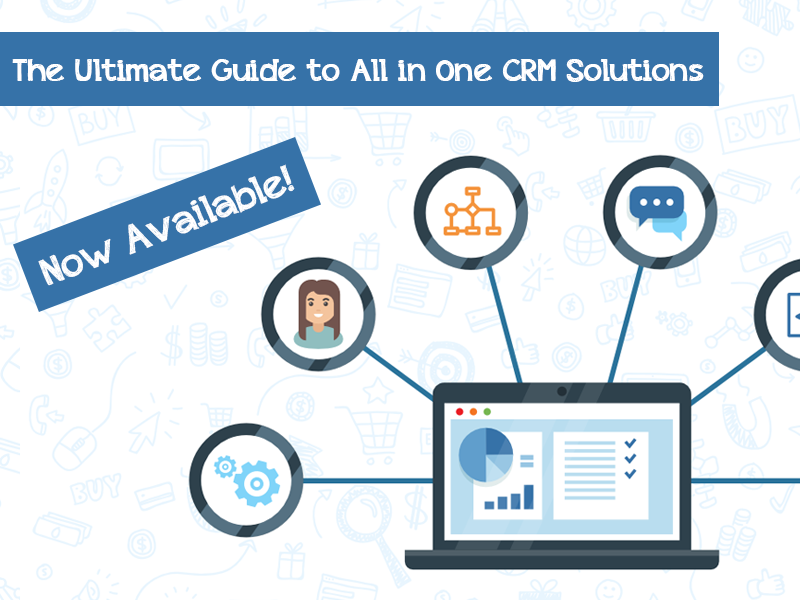
CRM with AI Chatbot Integration revolutionizes customer interactions by combining the power of CRM systems with AI chatbots, leading to personalized and efficient customer service experiences. Dive into the world of seamless integration and improved customer engagement.
Overview of CRM with AI Chatbot Integration
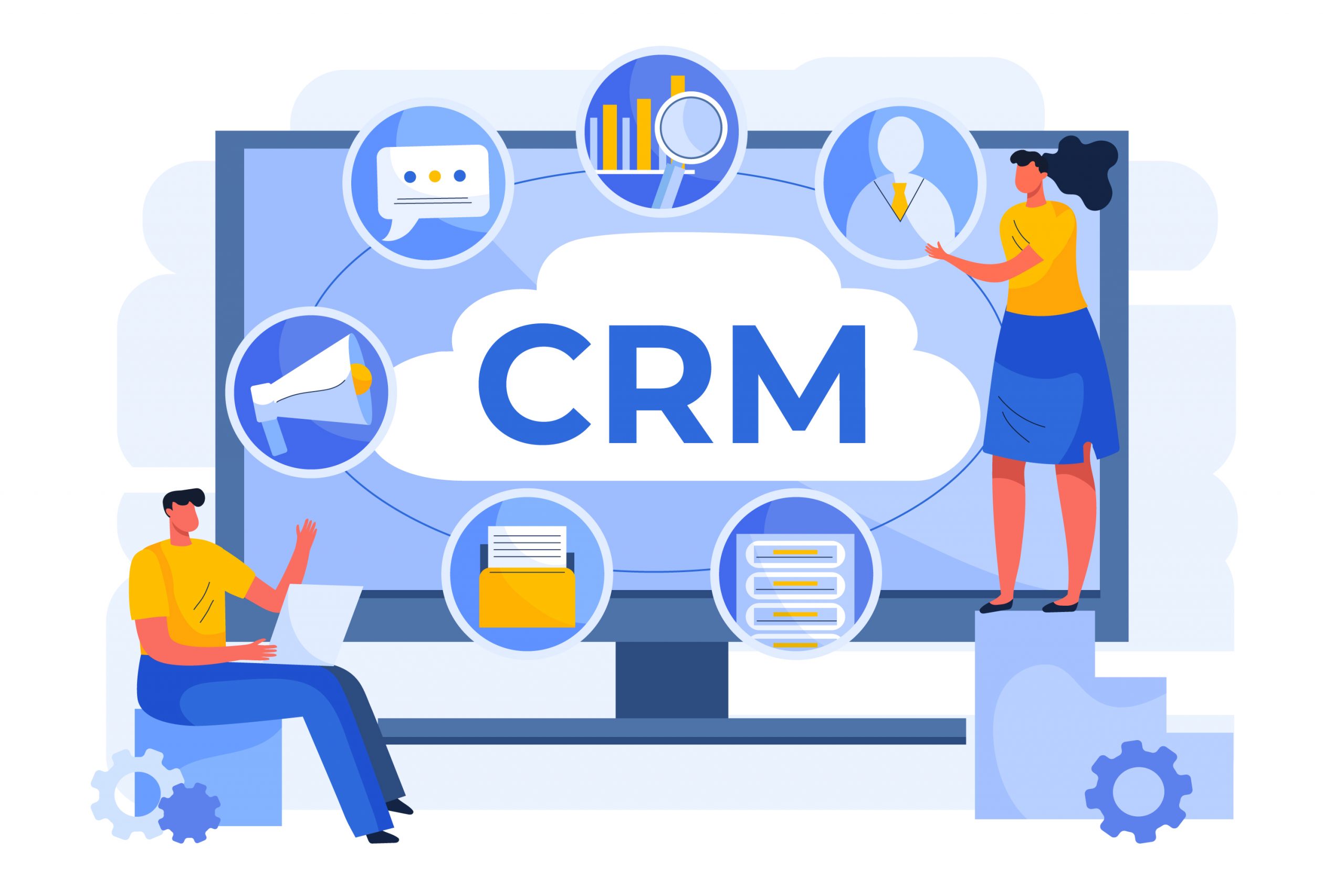
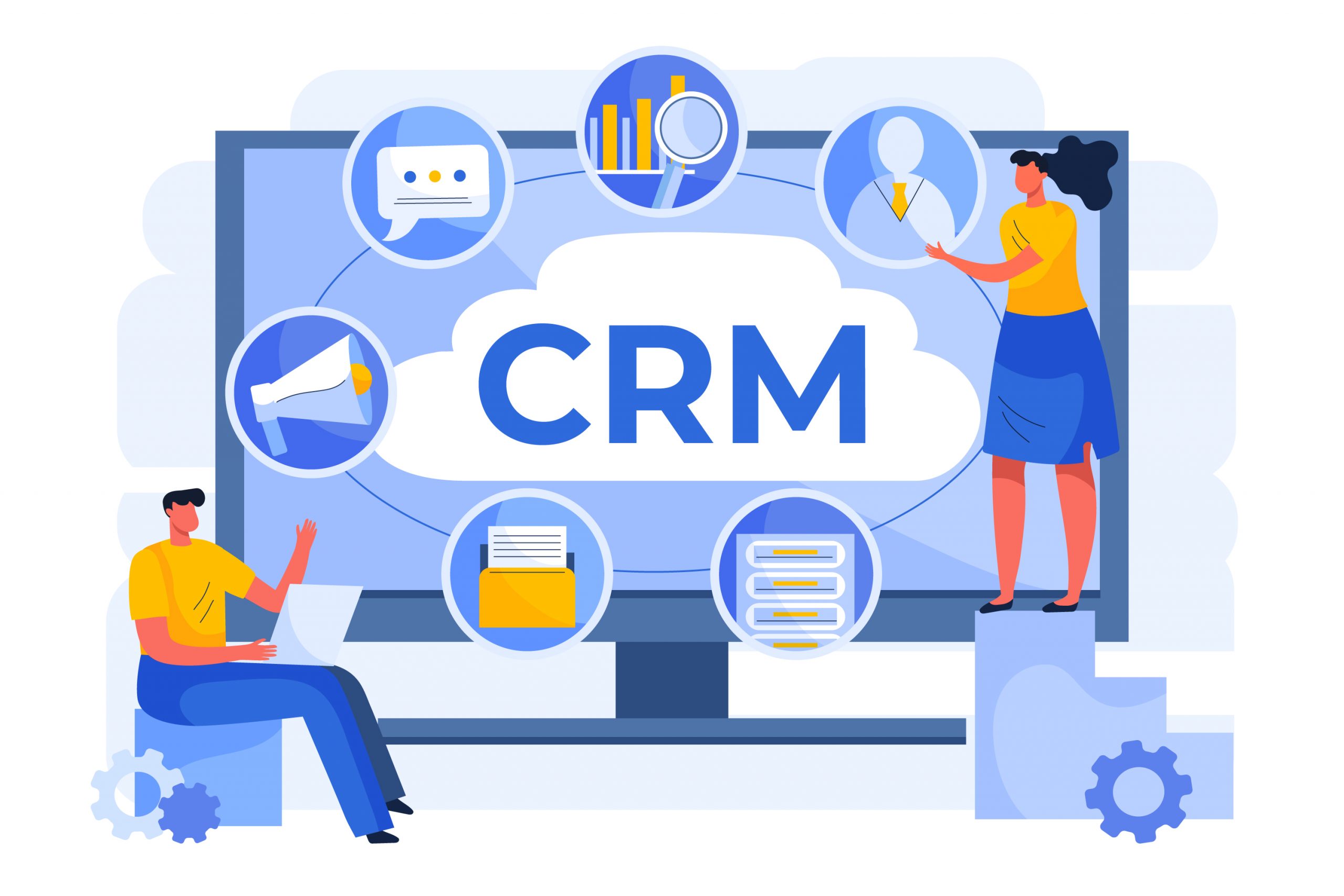
Customer Relationship Management (CRM) is a strategy used by businesses to manage interactions with current and potential customers. It involves using technology to organize, automate, and synchronize sales, marketing, customer service, and technical support.


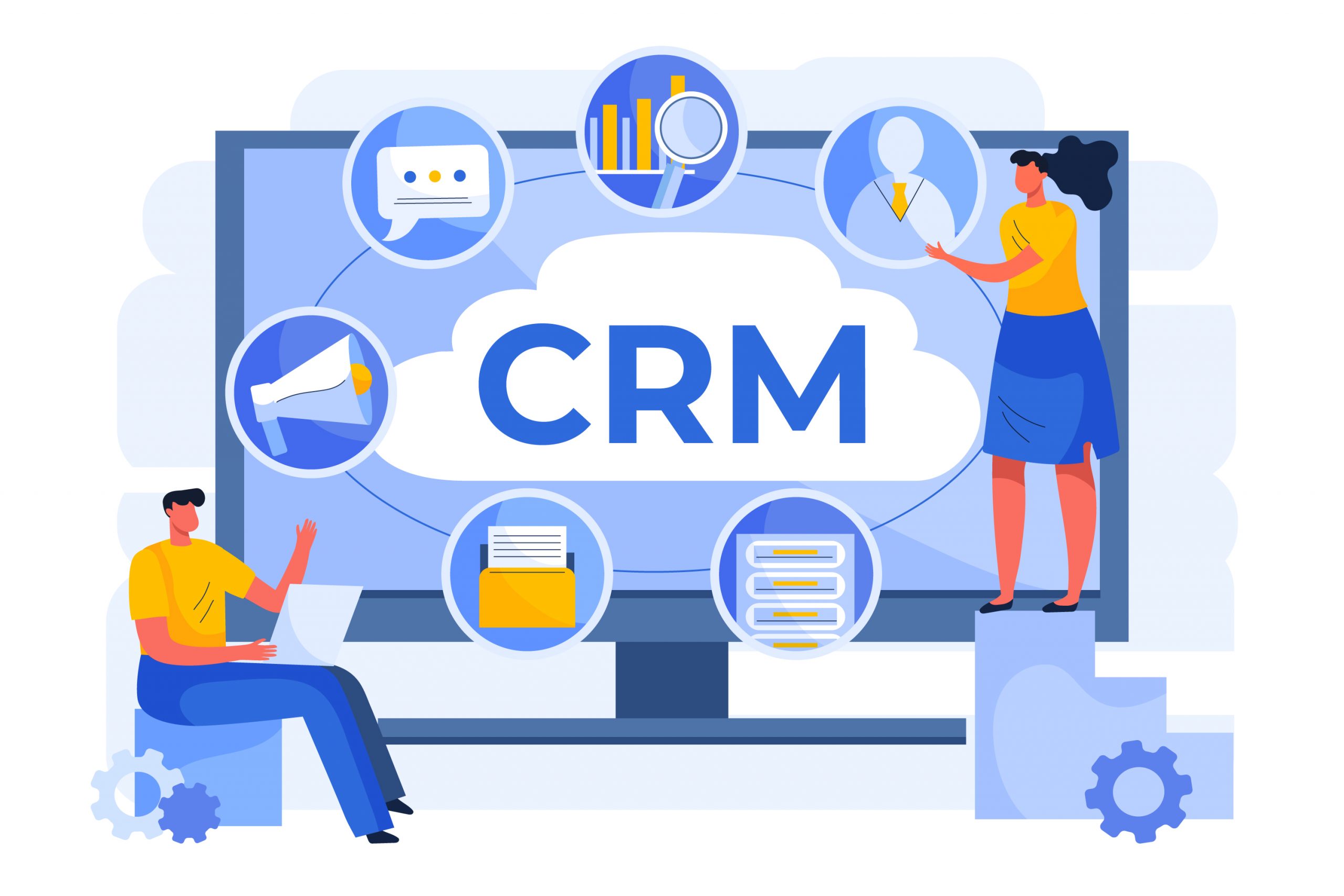
AI chatbots are computer programs that simulate human conversation with users through artificial intelligence. They play a crucial role in customer service by providing instant responses to customer queries, resolving issues, and guiding users through various processes.
Integration of CRM with AI Chatbots
CRM systems can be integrated with AI chatbots to enhance customer service capabilities. By leveraging AI technology, chatbots can access customer data stored in the CRM system to personalize interactions and provide more tailored assistance.
- Chatbots can assist with lead generation by qualifying leads based on CRM data and guiding them through the sales funnel.
- They can provide quick responses to customer inquiries, reducing response times and improving overall customer satisfaction.
- Chatbots can automate routine tasks such as appointment scheduling, order tracking, and troubleshooting, freeing up human agents to focus on more complex issues.
Examples of Industries Benefiting from CRM with AI Chatbot Integration
Various industries have successfully implemented CRM with AI chatbot integration to streamline customer interactions and improve operational efficiency.
- Telecommunications companies use AI chatbots to provide instant support to customers regarding billing inquiries, service disruptions, and account management.
- E-commerce platforms utilize chatbots to assist customers with product recommendations, order tracking, and returns processing.
- Healthcare organizations leverage chatbots to schedule appointments, provide medical advice, and answer patient queries in real-time.
Benefits of CRM with AI Chatbot Integration
AI chatbot integration in CRM systems offers numerous advantages for businesses looking to enhance their customer service and streamline operations. By leveraging AI technology, companies can improve customer experience, increase efficiency, and drive cost savings.
Improved Customer Experience
- AI chatbots provide instant responses to customer inquiries, leading to quicker issue resolution and enhanced satisfaction.
- Personalized interactions based on customer data help build stronger relationships and loyalty.
- 24/7 availability ensures customers can get assistance anytime, improving overall experience.
Cost Savings
- AI chatbots reduce the need for human agents to handle routine queries, saving on labor costs.
- Automated processes streamline workflows, increasing productivity and efficiency.
- Lower operational costs due to reduced manual intervention and improved resource allocation.
Success Stories
Company X saw a 30% increase in customer satisfaction after implementing AI chatbots in their CRM system.
Company Y reported a 50% reduction in customer service costs within the first year of integrating AI chatbots.
Company Z experienced a 25% increase in sales conversion rates by leveraging AI chatbots for personalized recommendations.
Features of AI Chatbots in CRM
AI chatbots in CRM systems offer a range of functionalities that enhance customer interactions and streamline processes. These features include:
1. Automated Customer Support
- AI chatbots can handle customer queries and provide immediate assistance 24/7 without human intervention.
- They can answer frequently asked questions, troubleshoot issues, and guide customers through various processes.
2. Lead Generation and Qualification
- AI chatbots can engage with website visitors, qualify leads based on predefined criteria, and route them to the appropriate sales representatives.
- They can gather information from potential customers and provide personalized recommendations based on their preferences.
3. Personalized Customer Interactions
- AI chatbots analyze customer data and behavior to personalize interactions, recommend products or services, and offer tailored solutions.
- They can remember past interactions, anticipate needs, and provide a seamless and customized experience for each customer.
4. Scalability and Efficiency
- AI chatbots can handle multiple conversations simultaneously, allowing businesses to scale their customer support operations without increasing costs.
- They can automate repetitive tasks, streamline workflows, and free up human agents to focus on more complex issues or high-value tasks.
Implementation Process of CRM with AI Chatbot Integration
Integrating AI chatbots into existing CRM systems can be a game-changer for businesses looking to enhance customer interactions. Here’s a breakdown of the implementation process:
Steps for Integrating AI Chatbots into CRM Systems
- Assess CRM data structure and requirements for AI integration.
- Select a suitable AI chatbot platform that aligns with CRM goals.
- Customize AI chatbot workflows to complement CRM processes.
- Integrate AI chatbots with CRM APIs for seamless communication.
- Test the integration thoroughly to ensure functionality and performance.
Checklist for Preparing CRM Data for AI Chatbot Integration
- Cleanse and organize CRM data for accuracy and relevance.
- Identify key customer touchpoints for AI chatbot interactions.
- Create a data mapping strategy to link CRM data with AI chatbot responses.
- Ensure data security measures are in place to protect sensitive information.
Training AI Chatbots for Optimal Performance in CRM
Training AI chatbots involves feeding them with relevant data and scenarios to improve their accuracy and effectiveness in CRM interactions. Continuous monitoring and feedback are essential for refining chatbot responses.
Common Challenges and Solutions in the Implementation Process
- Challenge: Integration complexities due to disparate systems.
- Solution: Use middleware solutions to bridge the gap between CRM and AI chatbots.
- Challenge: Data privacy concerns when integrating AI with CRM.
- Solution: Implement robust encryption and access control mechanisms to safeguard customer data.
Key Integration Points between AI Chatbots and CRM Systems
| Integration Point | Description |
|---|---|
| Customer Data Sync | Ensuring real-time updates between CRM database and chatbot for personalized interactions. |
| Conversation History | Logging chatbot interactions within CRM for seamless customer engagement. |
The benefits of AI chatbot integration in CRM are vast, ranging from improved customer satisfaction to enhanced operational efficiency.
Setting Up Testing Environments for AI Chatbots in CRM
- Create a sandbox environment to simulate real-world scenarios for chatbot testing.
- Define test cases and metrics to evaluate chatbot performance and accuracy.
- Engage QA teams to conduct rigorous testing and provide feedback for enhancements.
Evaluating AI Chatbot Performance Metrics within CRM System
Monitor key performance indicators such as response time, accuracy rate, customer satisfaction scores, and conversion rates to assess the impact of AI chatbot integration on CRM effectiveness.
Customer Engagement Strategies with CRM and AI Chatbots
Customer engagement is a crucial aspect of any business, and integrating AI chatbots into CRM systems can significantly enhance this interaction. AI chatbots offer a range of interactive features that can streamline communication with customers, improve response times, and ultimately boost customer satisfaction. Let’s delve into some strategies to maximize customer engagement through CRM and AI chatbots.
Interactive Features of AI Chatbots in CRM
AI chatbots in CRM can provide a personalized and interactive experience for customers. Some of the key features include:
- Instant responses to customer queries
- 24/7 availability for round-the-clock support
- Guided product recommendations based on customer preferences
- Seamless appointment scheduling and reminders
- Automated follow-ups to ensure customer satisfaction
Improved Response Times and Customer Satisfaction
By leveraging AI chatbots in CRM, businesses can significantly improve response times to customer inquiries. AI chatbots can instantly address common queries, freeing up human agents to focus on more complex issues. This quick and efficient communication leads to higher customer satisfaction levels and enhances overall customer experience.
Tips for Creating Personalized Experiences Using AI Chatbots
Creating personalized experiences with AI chatbots involves understanding customer preferences and tailoring interactions accordingly. Some tips include:
- Collect and analyze customer data to personalize responses
- Use AI algorithms to predict customer needs and offer relevant solutions
- Implement conversational AI to engage customers in natural language interactions
- Offer personalized recommendations and promotions based on past interactions
- Regularly update AI chatbots with new information to improve accuracy and relevance
Data Security and Privacy Considerations
Data security and privacy are crucial aspects to consider when integrating AI chatbots with CRM systems. Ensuring the protection of customer data is essential for maintaining trust and compliance with regulations.
Data Security Measures
- Implement encryption protocols to secure data transmission between the AI chatbot and CRM system.
- Regularly update security software and systems to protect against potential cyber threats.
- Restrict access to sensitive customer information to authorized personnel only.
- Conduct regular security audits to identify and address vulnerabilities in the system.
Data Privacy Practices
- Obtain explicit consent from customers before collecting and storing their data.
- Provide customers with options to control the use of their personal information.
- Ensure transparency in data handling practices and communicate privacy policies clearly to customers.
- Comply with data protection regulations such as GDPR by implementing data protection impact assessments and privacy by design principles.
AI Chatbot Performance Optimization
Response Time Improvement Strategies
- Optimize AI chatbot algorithms to process and respond to user queries more efficiently.
- Implement caching mechanisms to store frequently accessed information for quicker retrieval.
- Use predictive analytics to anticipate user queries and provide instant responses.
Enhancing Response Accuracy Techniques
- Train AI chatbots with large datasets to improve natural language processing capabilities.
- Integrate sentiment analysis tools to interpret user emotions and tailor responses accordingly.
- Utilize machine learning models to continuously refine AI chatbot responses based on user interactions.
Efficient Handling of User Queries
- Implement a tiered support system to escalate complex queries to human agents when necessary.
- Utilize chatbot analytics to identify trends in user queries and optimize chatbot responses.
- Integrate auto-suggestions and smart prompts to assist users in formulating their queries effectively.
Continuous Monitoring and Optimization Tips
- Set up performance metrics to track key indicators such as response time, resolution rate, and user satisfaction.
- Regularly analyze chatbot interactions to identify areas for improvement and adjust chatbot behavior accordingly.
- Implement A/B testing to compare different chatbot configurations and determine the most effective strategies.
Personalization and User Experience Enhancement
Importance of Personalization in AI Chatbot Interactions
- Personalization enhances user engagement by providing tailored responses based on individual preferences and behavior.
- Customized interactions create a more personalized and engaging experience for users, leading to higher satisfaction levels.
Examples of AI Chatbot Personalization
- Segment users based on demographics, purchase history, or browsing behavior to deliver targeted recommendations.
- Use personalized greetings, product suggestions, and follow-up messages to enhance the user experience.
Role of User Experience Design in AI Chatbot Optimization
- Design intuitive conversational flows and user interfaces to facilitate seamless interactions with the AI chatbot.
- Incorporate visual elements, such as images and buttons, to enhance the user experience and guide users through the conversation.
Tips for Improving User Engagement through Personalized Conversations
- Encourage users to provide feedback and preferences to tailor the chatbot responses more effectively.
- Utilize user data to anticipate user needs and proactively offer relevant information or assistance.
Integration with Other Systems
Integration with other systems is crucial for maximizing the efficiency and effectiveness of CRM with AI chatbot integration. Let’s explore some specific use cases and processes where this integration enhances customer service processes.
Enhancing Online Shopping Experiences
- Integrating AI chatbots with e-commerce platforms can provide personalized product recommendations based on customer preferences and purchase history.
- AI chatbots can assist customers in finding products, placing orders, and resolving any issues they encounter during the shopping process.
- By integrating CRM data with AI chatbots, businesses can offer seamless shopping experiences tailored to each customer’s needs and preferences.
Synchronizing Data Across Systems
- To synchronize data between CRM, AI chatbots, and inventory management systems, businesses can use APIs to ensure real-time updates across all platforms.
- By syncing customer information, order details, and inventory levels, businesses can provide accurate and up-to-date information to both customers and internal teams.
- This seamless data integration streamlines operations and enables better decision-making based on comprehensive insights.
Streamlining Communication and Support Systems
- AI chatbots play a key role in streamlining communication between customer support systems and CRM platforms by automating responses to common queries and issues.
- These chatbots can escalate complex inquiries to human agents while providing them with relevant customer data and context to deliver personalized assistance.
- By integrating AI chatbots with CRM systems, businesses can ensure consistent communication and efficient handling of customer interactions.
Importance of Real-Time Data Updates
- Real-time data updates across integrated systems are essential for efficient business operations, enabling timely decision-making and proactive customer engagement.
- By ensuring that CRM, AI chatbots, and other systems are constantly synchronized, businesses can provide accurate information and personalized experiences to customers.
- Automating data updates reduces errors, improves data quality, and enhances overall operational efficiency, leading to increased customer satisfaction and loyalty.
Analytics and Reporting Capabilities
Analytics and reporting capabilities play a crucial role in maximizing the efficiency of AI chatbots integrated into CRM systems. By harnessing the power of data insights, businesses can make informed decisions to enhance customer interactions and drive overall growth.
Monitoring AI Chatbot Performance
- Analytics tools such as Google Analytics, IBM Watson Analytics, or Salesforce Einstein Analytics can be utilized to track key performance indicators (KPIs) of AI chatbots.
- These tools provide valuable data on chatbot response times, user interactions, conversation completion rates, and customer satisfaction levels.
- Monitoring AI chatbot performance allows businesses to identify areas for improvement and optimize the chatbot’s functionality for better customer engagement.
Utilizing AI Chatbot Data for CRM Strategies
- The data generated by AI chatbots, including customer queries, preferences, and feedback, can be analyzed to personalize marketing campaigns and tailor product recommendations.
- Integrating AI chatbot data with CRM systems enables businesses to create targeted customer segments and deliver more personalized experiences across various touchpoints.
- By leveraging AI chatbot data, businesses can improve customer satisfaction, increase retention rates, and boost overall sales performance.
Role of Reporting Capabilities
- Reporting capabilities in CRM systems allow businesses to generate detailed insights into the effectiveness of AI chatbots in addressing customer needs and resolving queries.
- Reports can highlight trends, patterns, and areas of improvement, enabling businesses to make data-driven decisions and optimize their AI chatbot strategies accordingly.
- Regular reporting and analysis help businesses measure the ROI of AI chatbot integration and identify opportunities for enhancing customer engagement and loyalty.
Analyzing Data Insights
- Best practices for analyzing data insights from CRM with AI chatbot integration include identifying key metrics, setting clear objectives, and establishing benchmarks for performance evaluation.
- Businesses should conduct A/B testing, segment their data, and leverage predictive analytics to uncover valuable insights that drive actionable strategies and improve customer experiences.
- Continuous monitoring of data insights and adapting strategies based on the findings are essential to ensure sustained success and growth in customer engagement.
Training and Support for AI Chatbot Implementation
Training and supporting employees for AI chatbot implementation in CRM systems is crucial for successful integration. Personalized training sessions and ongoing support are essential to ensure smooth operations and maximize the benefits of AI chatbots. Here’s a detailed plan to guide organizations through this process.
Step-by-Step Training Plan
- Conduct initial training sessions for all employees to introduce them to AI chatbots and their functionalities within CRM.
- Offer department-specific training to highlight how AI chatbots can streamline workflows and improve productivity.
- Create user manuals or guides tailored to different roles, outlining best practices for interacting with AI chatbots effectively.
- Provide hands-on training with real-time scenarios to help employees practice using AI chatbots in CRM.
Importance of Continuous Training and Support
- Continuous training ensures that employees stay updated on the latest AI chatbot technology advancements and enhancements.
- Personalized training sessions help employees understand how AI chatbots can benefit their specific roles and responsibilities.
- Dedicated support teams play a vital role in addressing any issues or questions related to AI chatbot integration promptly.
- Regular performance reviews help assess the effectiveness of AI chatbots in CRM and identify areas for improvement.
Recommended Resources and Support
- Recommend online courses or training programs for employees to deepen their understanding of AI chatbot technology in CRM.
- Provide links to industry reports or whitepapers discussing the latest trends and best practices in AI chatbot implementation.
- Suggest forums or communities where employees can engage with experts to exchange knowledge and experiences on AI chatbot integration.
Troubleshooting and Maintenance
- Identify common issues that may arise during AI chatbot implementation and provide a troubleshooting guide with solutions.
- Establish an escalation process for handling complex technical issues that standard troubleshooting methods cannot resolve.
- Conduct regular system checks and updates to proactively prevent potential issues and ensure smooth functioning of AI chatbots in CRM.
Customization and Personalization Features
Customization and personalization play a crucial role in enhancing customer interactions through AI chatbots in CRM systems. By tailoring the chatbots to align with the brand identity and adapting them based on customer preferences, businesses can create unique and engaging experiences for their users.
Ways to Customize AI Chatbots
- Customizing the chatbot’s language, tone, and personality to reflect the brand identity.
- Integrating the chatbot with the company’s website or mobile app design for a seamless user experience.
- Adding personalized greetings or messages based on user data and preferences.
Role of Personalization in Customer Interactions
- Personalization helps in building rapport with customers and increasing engagement.
- By offering tailored recommendations and responses, chatbots can provide a more personalized experience.
- Personalization leads to higher customer satisfaction and loyalty towards the brand.
Examples of Tailored Experiences
- A retail chatbot recommending products based on past purchase history.
- A travel chatbot providing personalized travel itineraries based on user preferences.
- A banking chatbot offering customized financial advice based on individual financial goals.
Adapting AI Chatbots based on Customer Feedback
- Implementing feedback mechanisms to continuously improve the chatbot’s responses and interactions.
- Using sentiment analysis to gauge customer satisfaction and adjust the chatbot’s behavior accordingly.
- Offering options for users to customize their chatbot interactions based on their preferences.
Importance of Consistency in Branding
- Maintaining consistency in branding across all chatbot interactions builds brand trust and recognition.
- Ensuring that the chatbot’s language and design elements align with the overall brand image.
- Consistent branding helps in reinforcing brand values and messaging with customers.
Implementing Dynamic Content for Personalized Responses
- Using AI algorithms to analyze user data and provide tailored responses in real-time.
- Integrating CRM data to personalize interactions and offer relevant information to customers.
- Creating dynamic chatbot scripts that adjust based on user input and behavior.
Impact of Real-Time Data Integration
- Real-time data integration allows chatbots to offer personalized recommendations and solutions instantly.
- Utilizing real-time data ensures that chatbot interactions are relevant and up-to-date.
- Improving customer experiences by delivering timely and accurate information through AI chatbots.
Integration with Omnichannel Communication
In today’s digital age, customers expect seamless communication experiences across various channels. Integrating AI chatbots into CRM systems plays a crucial role in achieving omnichannel communication excellence.
Facilitating Seamless Communication
AI chatbots have the ability to interact with customers across multiple channels such as email, social media platforms, and messaging apps. By setting up AI chatbots in CRM systems, businesses can ensure consistent and efficient communication regardless of the channel used by customers.
- AI chatbots can provide instant responses to customer queries on social media platforms, enhancing customer engagement.
- They can also send personalized messages via email based on customer interactions, improving the overall customer experience.
- AI chatbots integrated into messaging apps enable real-time support and assistance, leading to higher customer satisfaction levels.
Setting Up AI Chatbots for Omnichannel Interaction
To enable efficient communication with customers across various channels, follow these steps:
- Integrate AI chatbots into CRM systems to ensure seamless data flow between different communication platforms.
- Configure AI chatbots to understand and respond to customer queries in a personalized manner on each channel.
- Implement cross-channel tracking to maintain a unified customer profile and history, enabling personalized interactions.
Role of Data Synchronization
Data synchronization is essential for maintaining a unified customer experience across all channels. It ensures that customer information, interactions, and preferences are consistent and up-to-date regardless of the communication platform used.
Data synchronization enables businesses to provide personalized and contextually relevant responses to customers, fostering stronger relationships.
Best Practices for Personalizing Interactions
To personalize interactions with customers through AI chatbots in a CRM environment, consider the following best practices:
- Use customer data to tailor responses and recommendations based on individual preferences and past interactions.
- Implement dynamic content delivery to provide relevant information to customers at the right time and on the right channel.
- Utilize AI algorithms to analyze customer behavior and predict future needs, enhancing the overall customer experience.
Case Studies and Use Cases
In this section, we will explore real-world examples of companies that have successfully implemented CRM with AI chatbot integration. We will analyze the impact of AI chatbots on customer service and sales processes in these case studies, discuss key takeaways, and provide insights into the strategies that led to successful outcomes in CRM with AI chatbot integration.
Case Study 1: Company A
- Company A, a leading e-commerce retailer, implemented AI chatbots in their CRM system to enhance customer support.
- The AI chatbots significantly reduced response times, improved customer satisfaction, and increased sales conversions.
- By automating repetitive queries, the company’s support team could focus on more complex customer issues, leading to improved overall efficiency.
- The key takeaway from this case study is that AI chatbots can streamline customer service processes and drive revenue growth when integrated effectively into CRM systems.
Case Study 2: Company B
- Company B, a telecommunications provider, utilized AI chatbots to personalize interactions with customers and offer tailored product recommendations.
- The AI chatbots analyzed customer data in real-time to provide relevant information and solutions, leading to increased customer engagement and loyalty.
- As a result, Company B saw a significant decrease in customer churn rate and an improvement in overall customer retention metrics.
- This case study highlights the importance of leveraging AI chatbots for personalized customer experiences and building long-term relationships.
Key Takeaways
- Successful CRM with AI chatbot integration can lead to improved customer satisfaction, increased sales, and enhanced operational efficiency.
- Personalization and real-time data analysis are key factors in maximizing the impact of AI chatbots on customer engagement and retention.
- Continuous monitoring, optimization, and training of AI chatbots are essential to maintain effectiveness and adapt to evolving customer needs.
Future Trends and Innovations
Artificial Intelligence (AI) and Chatbot integration in Customer Relationship Management (CRM) have already revolutionized how businesses interact with their customers. Looking ahead, several emerging trends and innovations are poised to further shape the future of CRM strategies with AI technologies.
Enhanced Personalization and Customer Experience
One of the key future trends in AI chatbots and CRM integration is the focus on enhanced personalization and customer experience. AI algorithms are becoming increasingly sophisticated in analyzing customer data and behavior to provide highly tailored recommendations and responses. This level of personalization can significantly improve customer satisfaction and loyalty.
Voice-Activated AI Chatbots
With the rise of voice assistants like Amazon Alexa and Google Assistant, the integration of voice-activated AI chatbots in CRM systems is a promising innovation. Voice recognition technology combined with AI capabilities can enable customers to interact with businesses through natural language, enhancing convenience and accessibility.
Predictive Analytics and AI Automation
Future developments in AI chatbots may focus on predictive analytics and automation within CRM systems. By leveraging AI algorithms to analyze historical data and predict future trends, businesses can proactively address customer needs and streamline processes. Automation through AI chatbots can handle routine tasks, freeing up human agents to focus on more complex customer interactions.
ROI and Business Impact
Implementing CRM with AI chatbot integration can have a significant impact on the return on investment (ROI) for businesses. The use of AI chatbots in CRM systems can lead to improved customer engagement, increased revenue, and cost savings. Let’s dive deeper into how AI chatbots contribute to the overall business impact and ROI.
Contribution to Revenue Growth
AI chatbots play a crucial role in driving revenue growth for businesses. By automating sales processes, AI chatbots can assist customers in making purchasing decisions, upselling products, and providing personalized recommendations. This can lead to an increase in sales conversions and overall revenue. Additionally, AI chatbots can handle a higher volume of customer inquiries simultaneously, which can further contribute to revenue growth by improving customer service efficiency.
Cost Savings and Operational Efficiency
One of the key benefits of integrating AI chatbots into CRM systems is the potential for cost savings. AI chatbots can handle routine customer inquiries and support tasks, reducing the need for human intervention in these processes. This can lead to significant savings in operational costs, as businesses can allocate resources more efficiently and streamline their customer service operations.
Measuring Success with KPIs
To measure the success of CRM with AI chatbot integration, businesses can track key performance indicators (KPIs) such as response time, customer satisfaction scores, and conversion rates. These metrics can provide valuable insights into the effectiveness of AI chatbots in enhancing customer engagement and driving revenue growth. By analyzing these KPIs, businesses can assess the impact of AI chatbots on their CRM systems and make informed decisions to optimize their performance.
Comparative Analysis with Traditional CRM Systems
When comparing traditional CRM systems with CRM systems that integrate AI chatbots, businesses may observe higher customer satisfaction and retention rates with the latter. AI chatbots can provide personalized and efficient customer service, leading to improved customer experiences and loyalty. This, in turn, can result in higher retention rates and increased customer lifetime value for businesses.
Calculating ROI and Business Impact
Calculating the ROI of CRM with AI chatbot integration involves assessing the initial investment costs and projected benefits. Businesses can calculate the cost savings from reduced operational expenses, increased revenue from improved customer engagement, and other tangible benefits generated by AI chatbots. By analyzing these financial aspects, businesses can determine the overall business impact of integrating AI chatbots into their CRM systems.
Best Practices and Tips for Success
Implementing CRM with AI chatbot integration can be a game-changer for businesses looking to enhance customer interactions and streamline processes. To maximize the benefits of this technology, consider the following best practices and tips:
Maximizing Benefits of CRM with AI Chatbot Integration:
- Implement personalized interactions based on customer data to enhance engagement.
- Ensure seamless integration between CRM and AI chatbot platforms for a cohesive customer experience.
- Use AI chatbots to automate routine tasks such as answering FAQs, freeing up human agents for more complex queries.
- Analyze customer interactions to gain insights and improve CRM strategies for better customer satisfaction.
- Regularly update AI chatbot responses based on CRM insights to stay relevant and provide accurate information.
Selecting the Right AI Chatbot Provider for CRM:
- Evaluate providers based on their experience in CRM integration and successful implementations.
- Consider scalability and customization options offered by the AI chatbot provider to meet your specific CRM needs.
- Request demos to assess the user interface and compatibility with your existing CRM systems.
- Inquire about data security measures and ensure compliance with relevant regulations to protect customer information.
- Check reviews and testimonials from other CRM users to gauge the provider’s reputation and reliability.
Continuous Improvement and Optimization Strategies:
- Conduct A/B testing to refine chatbot responses and workflows for optimal performance.
- Monitor key performance indicators (KPIs) to track chatbot effectiveness and identify areas for improvement.
- Gather feedback from customers and CRM users to make necessary enhancements and updates to the AI chatbots.
- Collaborate with AI developers to implement machine learning techniques for continuous chatbot improvements.
- Regularly review and update chatbot training data to maintain accuracy and relevance in responses.
Staying Updated on Industry Developments in AI Technology for CRM:
- Subscribe to industry newsletters and AI technology blogs to stay informed about the latest developments in CRM with AI chatbot integration.
- Attend webinars, conferences, and workshops focused on AI in CRM to learn about emerging trends and best practices.
- Join online forums and communities to engage with peers and experts in discussions about AI chatbot advancements.
- Follow thought leaders and experts in AI and CRM on social media platforms to stay updated on industry insights and innovations.
- Participate in training programs to enhance your knowledge of AI technology and its applications in CRM for better business outcomes.
Outcome Summary
In conclusion, CRM with AI Chatbot Integration emerges as a game-changer in enhancing customer satisfaction and streamlining business processes. Embrace the future of customer service with this innovative technology integration.