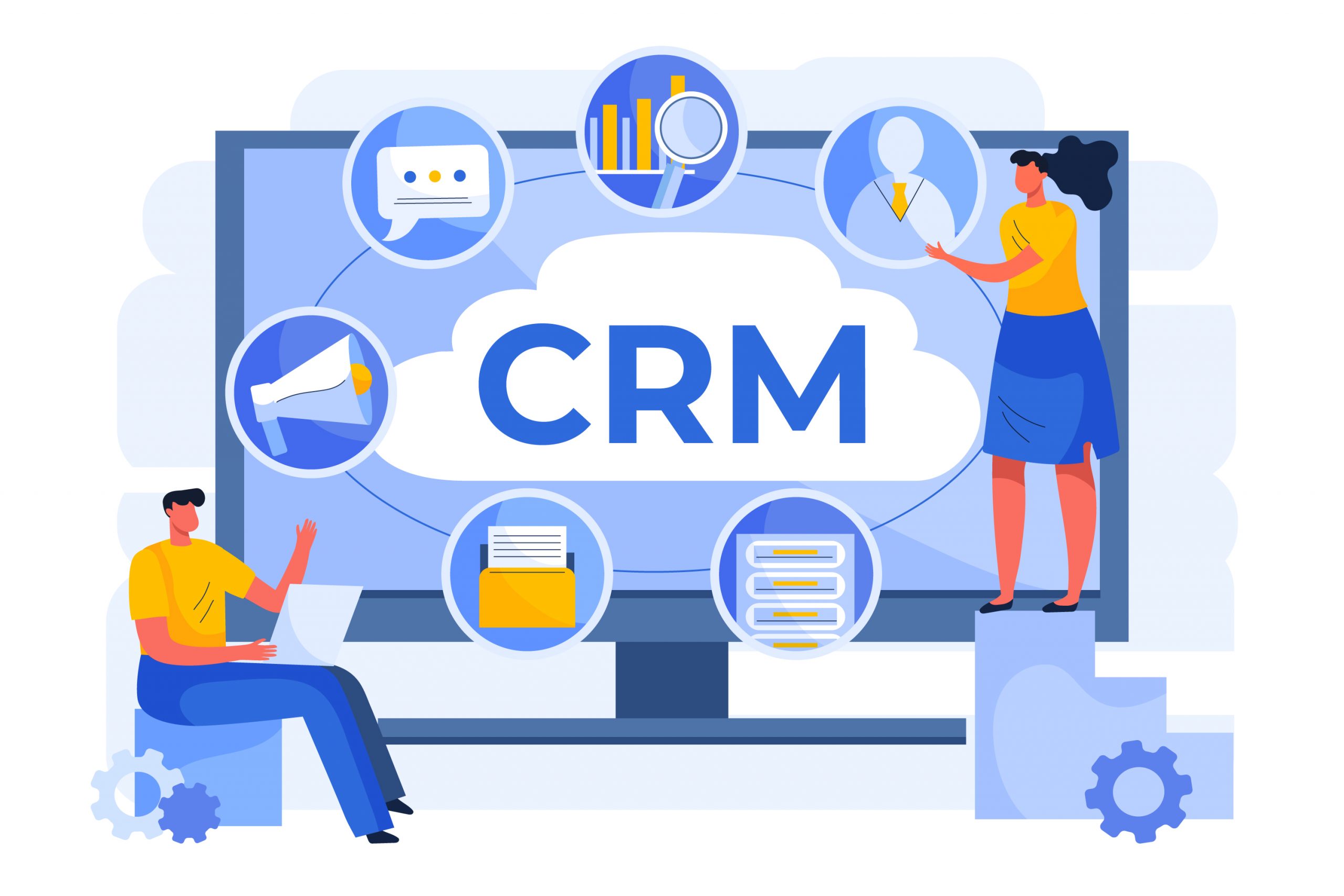
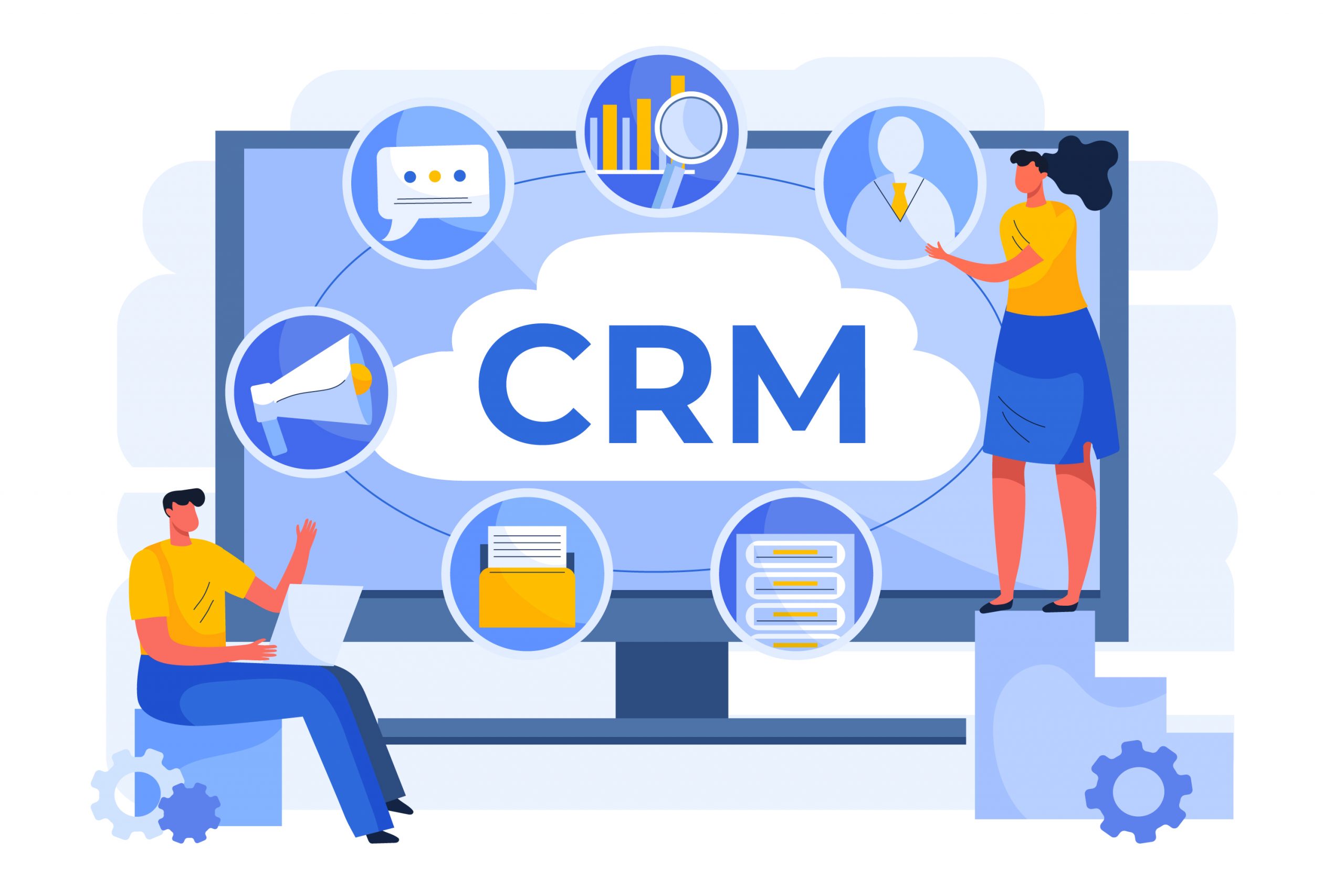
Top Cloud-Based CRM Platforms revolutionize the way businesses manage customer relationships. From customization to security, this guide covers everything you need to know.
Overview of Cloud-Based CRM Platforms
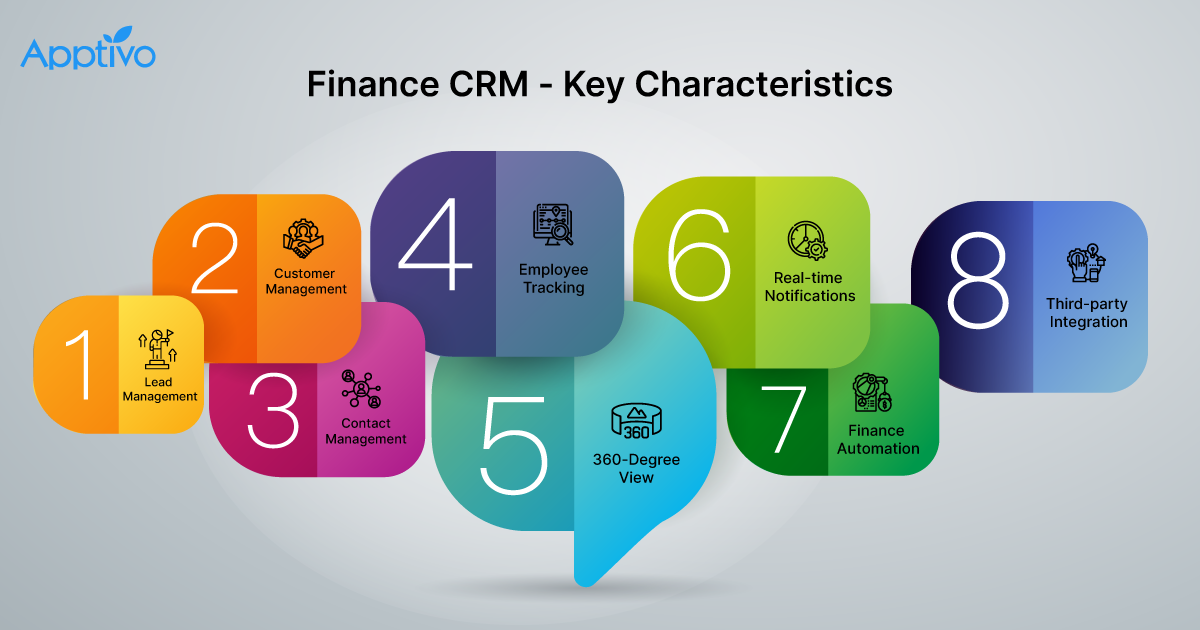
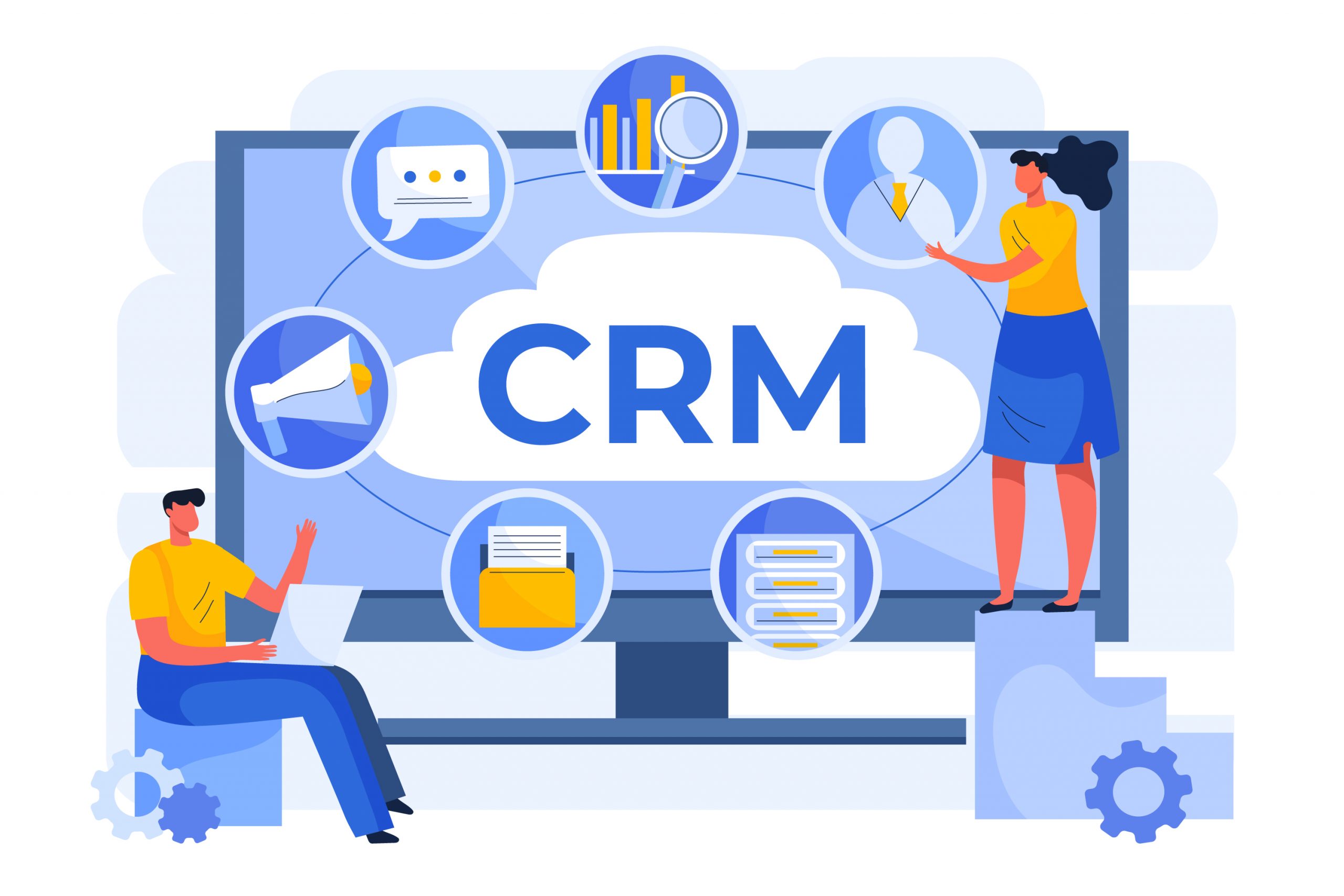
Cloud-Based CRM platforms refer to customer relationship management systems that are hosted in the cloud, allowing businesses to access and manage customer data and interactions remotely through the internet. These platforms offer a centralized hub for storing customer information, tracking sales activities, managing marketing campaigns, and providing customer support.

Differences from Traditional CRM Systems
Cloud-Based CRM platforms differ from traditional CRM systems in several key ways. Unlike traditional systems that require on-premise servers and software installations, cloud-based platforms are hosted on remote servers managed by third-party providers. This eliminates the need for businesses to invest in expensive hardware and IT infrastructure, making cloud-based CRM more cost-effective and easier to implement.
Benefits of Using Cloud-Based CRM Platforms for Businesses
- Flexibility and Scalability: Cloud-based CRM platforms offer businesses the flexibility to scale their operations up or down based on changing needs without the need for significant investment in infrastructure.
- Accessibility: With cloud-based CRM, businesses can access customer data and manage relationships anytime, anywhere, as long as they have an internet connection.
- Cost-Effectiveness: By eliminating the need for on-premise hardware and software, cloud-based CRM platforms reduce upfront costs and ongoing maintenance expenses.
- Enhanced Security: Cloud providers invest heavily in data security measures, ensuring that customer data is protected from unauthorized access or breaches.
- Integration and Collaboration: Cloud-based CRM platforms often offer seamless integration with other business tools and applications, enhancing collaboration and streamlining workflows.
Leading Cloud-Based CRM Providers
In the competitive landscape of cloud-based CRM platforms, several providers stand out for their robust features and market share. Let’s take a look at some of the top players in the industry and compare their key offerings.
Salesforce
Salesforce is one of the most popular cloud-based CRM platforms, known for its extensive customization options, scalability, and integration capabilities. It offers features such as lead management, opportunity tracking, and customer support automation. Salesforce holds a significant market share and is widely used across various industries.
HubSpot CRM
HubSpot CRM is another leading cloud-based platform that focuses on inbound marketing and sales. It provides features like contact management, email tracking, and analytics tools. HubSpot CRM is known for its user-friendly interface and integration with other HubSpot marketing tools. It has gained popularity among small to mid-sized businesses.
Microsoft Dynamics 365
Microsoft Dynamics 365 offers a comprehensive suite of CRM and ERP applications in the cloud. It includes features such as sales automation, customer service management, and marketing automation. Microsoft Dynamics 365 is favored by enterprises for its seamless integration with Microsoft Office and Azure services.
Zoho CRM
Zoho CRM is a cloud-based platform that caters to businesses of all sizes. It offers features like lead management, pipeline management, and workflow automation. Zoho CRM is known for its affordability and ease of use, making it a popular choice among small businesses and startups.
These leading cloud-based CRM providers have established themselves as key players in the market, each offering unique features and benefits tailored to different business needs. Businesses can choose the platform that best aligns with their requirements and budget to optimize their customer relationship management strategies.
Customization and Integration Capabilities
Customization and integration are crucial aspects of cloud-based CRM platforms that allow businesses to tailor their systems to specific needs and seamlessly connect with other tools and software.
Customization Options
Cloud-based CRM platforms offer a wide range of customization options, including creating custom fields, modifying layouts, and defining unique workflows. These features enable businesses to adapt the CRM system to their specific requirements.
Integration with Other Business Tools
CRM platforms can integrate with various business tools and software, such as email marketing platforms, project management tools, and accounting software. This integration streamlines processes and ensures data consistency across different systems.
Successful Customization and Integration Scenarios
- Customizing CRM fields to capture specific customer data for targeted marketing campaigns.
- Integrating CRM with email marketing software to automate lead nurturing campaigns and track customer interactions.
- Connecting CRM platforms with project management tools to assign tasks, track progress, and collaborate effectively on customer projects.
Setting Up Custom Fields
To set up custom fields in a CRM platform, businesses can usually access the customization settings within the system. From there, they can define the field name, type, and properties to tailor it to their specific business needs.
Automated Workflows with Email Marketing Software
Creating automated workflows between CRM systems and email marketing software involves setting up triggers based on customer interactions or data changes in the CRM. This ensures that relevant emails are sent to customers at the right time, enhancing engagement and conversions.
Benefits of Integrating CRM with Project Management Tools
Integrating CRM platforms with project management tools enhances productivity by providing a seamless flow of information between customer data and project tasks. This integration improves collaboration, task assignment, and project tracking for better customer service delivery.
Flexibility for Customization and Integration
| CRM Platform | Customization | Integration |
|---|---|---|
| Salesforce | Highly customizable with extensive options for custom fields and workflows. | Offers a wide range of integrations with third-party apps and tools. |
| HubSpot | Provides easy-to-use customization tools for fields, pipelines, and reports. | Seamlessly integrates with marketing, sales, and service tools for a unified platform. |
| Zoho CRM | Allows for granular customization of modules, layouts, and fields. | Offers integrations with various Zoho applications and third-party services. |
Security Features of Cloud-Based CRM Platforms
Cloud-based CRM platforms prioritize the security of customer data to maintain trust and integrity. These platforms implement various security measures to safeguard sensitive information and ensure compliance with regulations.
Data Encryption
Cloud-based CRM platforms utilize advanced encryption techniques to protect data both in transit and at rest. This ensures that customer information remains secure and inaccessible to unauthorized parties.
Multi-Factor Authentication
Many cloud-based CRM providers offer multi-factor authentication capabilities, requiring users to verify their identity through multiple steps. This extra layer of security helps prevent unauthorized access to the platform.
Regular Security Audits
Leading cloud-based CRM platforms conduct regular security audits to identify and address vulnerabilities. By continuously monitoring and updating security protocols, these platforms enhance protection against potential threats.
Compliance with Regulations
Cloud-based CRM platforms adhere to industry-specific regulations such as GDPR, HIPAA, and PCI DSS to ensure data privacy and compliance. By meeting these standards, platforms demonstrate their commitment to safeguarding customer data.
Role-Based Access Control
Role-based access control allows cloud-based CRM platforms to restrict user permissions based on their roles within an organization. This granular control helps prevent unauthorized access to sensitive data and minimizes the risk of data breaches.
Integration and Customization
Integration and customization are crucial aspects of cloud-based CRM platforms that help businesses streamline their operations and tailor the software to meet their specific needs.
Importance of Integration Capabilities
Integration capabilities allow CRM software to seamlessly connect with other essential tools and systems, ensuring a smooth flow of data across the organization. This enables businesses to consolidate information, automate processes, and enhance overall efficiency.
- Popular third-party integrations that enhance CRM functionality include email marketing platforms like Mailchimp, accounting software such as QuickBooks, and communication tools like Slack.
- Integration with social media platforms like Facebook and Twitter can also provide valuable insights into customer behavior and preferences.
Customization Process
Customizing CRM platforms is essential to align the software with the unique requirements of a business. This involves tailoring the interface, workflows, and data fields to match specific industry standards and operational needs.
- Businesses can customize CRM platforms by adding or removing modules, creating custom fields, and configuring automation rules to reflect their unique processes.
- Collaborating with CRM providers or consulting experts can help businesses optimize their CRM systems for maximum efficiency and effectiveness.
Data Security and Compliance
Ensuring data security and compliance with regulations is paramount for cloud-based CRM platforms to protect sensitive information and maintain trust with customers.
Measures for Data Security
Cloud-based CRM platforms implement robust security measures such as encryption, access controls, and regular data backups to safeguard against cyber threats and data breaches.
- Two-factor authentication, role-based access control, and data encryption are common security features that protect sensitive customer data.
- Regular security audits, compliance certifications, and adherence to industry standards help CRM providers stay ahead of evolving security threats.
Importance of Compliance with Regulations
Compliance with regulations like GDPR (General Data Protection Regulation) is essential for CRM operations to ensure that customer data is handled responsibly and ethically.
- GDPR mandates transparency, data minimization, and consent management to protect the privacy and rights of individuals whose data is processed by CRM systems.
- Non-compliance with regulations can result in hefty fines, reputational damage, and loss of customer trust, underscoring the importance of adherence to data protection laws.
User Training and Support
Comprehensive user training and ongoing support are key components of successful CRM implementation, enabling users to leverage the full potential of the software and maintain operational efficiency.
Importance of User Training
Effective user training familiarizes employees with CRM functionalities, best practices, and workflows, empowering them to utilize the software effectively in their daily tasks.
- Training sessions, user manuals, and interactive guides can help users understand how to navigate the CRM platform, input data accurately, and generate meaningful reports.
- Continuous training and refresher courses ensure that users stay updated on new features and functionalities, maximizing their productivity and engagement with the CRM system.
Role of Ongoing Support
Ongoing support and troubleshooting play a vital role in maintaining CRM efficiency by addressing user queries, resolving technical issues, and providing guidance on system updates and enhancements.
- Dedicated support teams, online resources, and helpdesk services enable users to seek assistance whenever they encounter challenges or require clarification on CRM functionalities.
- Proactive monitoring, regular system checks, and timely updates ensure that CRM platforms operate smoothly and securely, enhancing user experience and organizational productivity.
Mobile Accessibility and User Experience
Mobile accessibility features of cloud-based CRM platforms play a crucial role in enabling users to manage customer relationships on the go. The user experience provided by these platforms on different devices can significantly impact productivity and efficiency. Optimizing user experience on mobile CRM applications involves implementing best practices to ensure seamless navigation and functionality. Responsive design plays a key role in enhancing the accessibility and usability of CRM platforms across various devices.
Mobile Accessibility Features
- Offline access capabilities for users to view and update information without an internet connection.
- Mobile-responsive interfaces that adapt to different screen sizes and resolutions for optimal viewing.
- Integration with mobile device features such as GPS for location-based services.
- Push notifications to alert users of important updates or tasks.
User Experience on Different Devices
- Consistent design elements and workflows across desktop and mobile versions for seamless user experience.
- Intuitive navigation menus and touch-friendly controls for easy interaction on mobile devices.
- Customizable dashboards to prioritize key information based on user preferences.
Best Practices for Optimizing User Experience
- Streamlining data input forms for quick and efficient data entry on mobile devices.
- Implementing gesture-based controls to enhance user interaction and navigation.
- Providing offline access to critical information for uninterrupted productivity.
Responsive Design Impact
- Ensures a consistent user experience across devices, improving accessibility and usability.
- Adapts content layout and design based on screen size and orientation for optimal viewing.
- Reduces the need for separate mobile applications, simplifying maintenance and updates.
Navigation Structure Comparison
- Mobile CRM applications often feature simplified navigation menus for quicker access to key functions.
- Desktop versions may offer more detailed navigation options due to larger screen real estate.
Touch Gestures in Mobile CRM Platforms
- Swipe gestures for navigating between records or pages.
- Pinch-to-zoom functionality for viewing detailed information or images.
- Tap-and-hold actions to access contextual menus or actions.
Efficient Data Input Methods
- Auto-population of fields based on previous entries to reduce manual data entry.
- Voice-to-text capabilities for hands-free data input on the go.
- Barcode scanning features for quick data capture and entry.
Pricing Models and Cost Considerations
When considering cloud-based CRM platforms, understanding the pricing models and cost considerations is crucial for making an informed decision that aligns with your business needs and budget.
Subscription-Based Pricing
Subscription-based pricing is a common model where users pay a set fee on a monthly or annual basis to access the CRM platform. This model often includes a per-user pricing structure, where the cost increases with the number of users added to the system.
Usage-Based Pricing
Usage-based pricing charges customers based on their actual consumption of the CRM platform’s services or features. This model is ideal for businesses with fluctuating user numbers or varying usage levels throughout the year.
Tiered Pricing Models
Tiered pricing models offer different pricing levels or tiers with varying features and capabilities. Customers can choose the tier that best suits their needs and budget, with the option to upgrade or downgrade as required.
Factors Influencing Cost
- Customization: Extensive customization of the CRM platform may incur additional costs.
- Data Storage: Higher storage requirements can lead to increased costs.
- User Licenses: The number of user licenses needed will impact pricing.
- Additional Features: Access to advanced features may come at an extra cost.
Cost Savings Strategies
- Long-Term Contracts: Consider opting for long-term contracts to secure discounted rates.
- Volume Discounts: Negotiate volume discounts with CRM providers for cost savings.
Comparison of Pricing Structures
| CRM Platform | Pricing Model | Key Features |
|---|---|---|
| Salesforce | Subscription-Based | Extensive customization options |
| HubSpot | Tiered Pricing | Inbound marketing tools included |
| Zoho | Usage-Based | Scalable pricing based on usage |
Negotiating Pricing
When negotiating pricing with CRM vendors, consider factors such as the length of the contract, the number of user licenses required, and any additional features or services needed. By understanding your business needs and leveraging competitive offers, you can secure the best possible deal for your organization.
Customer Support and Training Resources
Customer support and training resources are crucial aspects to consider when choosing a cloud-based CRM platform. Let’s dive into the evaluation of these services provided by CRM vendors.
Customer Support Services
- Response Time: One key metric to assess the efficiency of customer support is the response time. Faster response times indicate better support.
- Resolution Rate: Another important factor is the resolution rate, which measures how effectively issues are resolved by the support team.
- Customer Satisfaction: Customer satisfaction metrics reflect the overall experience and satisfaction levels of users with the support services provided.
Training Resources and Documentation
- Types of Training: Look into the types of training offered by CRM vendors, such as video tutorials, live webinars, or knowledge base articles, to determine the availability of resources.
- Accessibility: Evaluate the ease of access to training materials and documentation to ensure that users can easily navigate and utilize the resources.
Case Studies and Experiences
Effective customer support and training can significantly impact user adoption and satisfaction. Share experiences or case studies where exceptional support or training led to positive outcomes.
Comparison Table of CRM Vendors
| CRM Vendor | Customer Support Features | Training Resources | Unique Offerings |
|---|---|---|---|
| Vendor A | 24/7 live chat support | Video tutorials, live webinars | Personalized onboarding sessions |
| Vendor B | Email support with 1-hour response time | Knowledge base articles | Certification programs for users |
| Vendor C | Phone support during business hours | Interactive training modules | Dedicated customer success manager |
Data Analytics and Reporting Capabilities
Data analytics and reporting capabilities are crucial features of cloud-based CRM platforms that allow businesses to extract valuable insights from their customer data. By utilizing advanced tools and features, organizations can analyze trends, track performance metrics, and make data-driven decisions to enhance their customer relationships and overall business operations.
Data Visualization Tools
- Cloud-based CRM platforms offer data visualization tools such as dashboards and reports to present complex data in a visually appealing and easy-to-understand format.
- These tools enable businesses to quickly identify patterns, trends, and correlations within their customer data, helping them gain a deeper understanding of customer behavior and preferences.
- By visualizing data, organizations can make faster decisions and take proactive measures to improve customer satisfaction and drive business growth.
Predictive Analytics Capabilities
- Many cloud-based CRM platforms are equipped with predictive analytics capabilities that use algorithms and machine learning to forecast future trends and outcomes based on historical data.
- Businesses can leverage predictive analytics to anticipate customer needs, identify potential sales opportunities, and optimize their marketing strategies for better results.
- By harnessing the power of predictive analytics, organizations can stay ahead of the competition and tailor their offerings to meet the evolving demands of their customers.
Success Story: Improving Sales Performance
“Company XYZ implemented a cloud-based CRM platform with robust data analytics tools to track sales performance and customer interactions. By analyzing the data generated from the CRM system, the company identified key trends and customer preferences, allowing them to personalize their sales approach and increase conversion rates by 20% within six months.”
Industry-Specific Solutions
When it comes to cloud-based CRM platforms, industry-specific solutions play a crucial role in catering to the unique needs of businesses operating in different sectors. These specialized CRM platforms offer tailored features and functionalities that are designed to address the specific requirements of particular industries, leading to enhanced efficiency and effectiveness.
Advantages of Industry-Specific CRM Solutions
- Increased customization: Industry-specific CRM solutions provide a higher level of customization to meet the precise needs of businesses in a particular sector.
- Improved user adoption: By offering industry-specific features and workflows, these CRM platforms are easier for employees to use, resulting in higher user adoption rates.
- Enhanced customer insight: Industry-specific CRM solutions offer deeper insights into industry trends, customer behaviors, and preferences, allowing businesses to make more informed decisions.
- Greater competitive advantage: By leveraging industry-specific CRM tools, businesses can gain a competitive edge by delivering more targeted and personalized customer experiences.
Examples of Industries Benefiting from Specialized CRM Solutions
Some industries that have greatly benefited from industry-specific CRM solutions include:
- Healthcare: CRM platforms tailored for the healthcare industry help in managing patient relationships, appointments, and medical records efficiently.
- Real Estate: Real estate CRM systems assist agents in tracking leads, managing properties, and facilitating seamless communication with clients.
- Retail: Retail-focused CRM solutions enable businesses to personalize marketing campaigns, track inventory, and enhance customer loyalty programs.
Implementing an Industry-Specific CRM Solution
Implementing an industry-specific CRM solution involves several key steps, including:
- Identifying the unique requirements of the industry and selecting a CRM platform that aligns with those needs.
- Customizing the CRM system to incorporate industry-specific features, workflows, and data fields.
- Training employees on how to use the industry-specific CRM solution effectively to maximize its benefits.
- Continuously monitoring and evaluating the performance of the CRM platform to ensure it meets the evolving needs of the industry.
Third-Party Integrations and Ecosystem
In today’s digital landscape, the ability of cloud-based CRM platforms to seamlessly integrate with third-party applications and services is crucial for maximizing efficiency and productivity. Let’s delve into the world of third-party integrations and the ecosystem surrounding cloud-based CRM platforms.
Available Third-Party Integrations
- Popular third-party integrations for cloud-based CRM platforms include email marketing tools like Mailchimp, accounting software such as QuickBooks, and social media platforms like Facebook and Twitter.
- Other common integrations include project management tools like Trello, customer support platforms like Zendesk, and e-commerce solutions such as Shopify.
Maximizing Benefits of Third-Party Integrations
- Ensure that the third-party integrations you choose align with your business needs and goals to maximize the benefits.
- Regularly evaluate the performance and impact of each integration to identify areas for improvement and optimization.
Setting Up Third-Party Integrations
- Setting up a third-party integration with a cloud-based CRM platform typically involves accessing the platform’s integration marketplace, selecting the desired integration, and following the step-by-step instructions for configuration.
- Most integrations offer seamless setup processes with user-friendly interfaces to streamline the integration process.
Popular Third-Party Integrations
- Examples of popular third-party integrations used in CRM systems include Zapier, which connects over 2,000 apps, and Salesforce AppExchange, offering a wide range of integrations for Salesforce CRM.
Security Considerations and Cost Implications
- When integrating third-party apps with CRM systems, ensure that the apps adhere to stringent security protocols to protect sensitive customer data.
- Consider the cost implications of leveraging multiple third-party integrations within a CRM ecosystem, as some integrations may require additional fees or subscriptions.
Scalability Factors for Third-Party Integrations
- When incorporating various third-party integrations into a CRM platform, consider the scalability factors such as the ability of the integrations to grow with your business, adapt to changing needs, and support increased usage over time.
Future Trends and Innovations
The field of cloud-based CRM platforms is continuously evolving, driven by technological advancements and changing business needs. Companies must stay ahead of the curve to remain competitive and meet customer expectations. Let’s explore some of the upcoming trends and innovations shaping the future of CRM solutions.
AI-Powered Automation
With the increasing adoption of artificial intelligence (AI) and machine learning, CRM platforms are incorporating advanced automation capabilities. AI algorithms can analyze vast amounts of data to provide personalized customer insights, automate routine tasks, and streamline processes. This trend is expected to continue, enhancing efficiency and enabling more targeted customer engagement.
Enhanced Data Security Measures
As data privacy regulations become stricter and cyber threats more sophisticated, cloud-based CRM providers are focusing on enhancing security features. Future CRM solutions are likely to include advanced encryption protocols, multi-factor authentication, and real-time threat monitoring to safeguard sensitive customer information. Businesses should prioritize security when selecting a CRM platform to protect their data from potential breaches.
Integration with IoT Devices
The Internet of Things (IoT) is revolutionizing how businesses interact with customers and collect data. Cloud-based CRM platforms are expected to integrate seamlessly with IoT devices to capture real-time customer interactions, preferences, and behavior patterns. This integration will enable companies to deliver hyper-personalized experiences and anticipate customer needs more effectively.
Voice-Activated CRM Systems
Voice technology is gaining popularity in consumer devices, and it is now making its way into CRM systems. Future CRM platforms may feature voice-activated assistants that allow users to access information, update records, and perform tasks using voice commands. This innovation aims to improve user productivity and convenience, especially for remote or hands-free operations.
Augmented Reality for Customer Engagement
Augmented reality (AR) is poised to transform customer engagement by creating immersive experiences and visual representations. CRM platforms may leverage AR technology to offer virtual product demonstrations, interactive training sessions, or personalized shopping experiences. This trend can enhance customer satisfaction and loyalty by providing unique and engaging interactions.
Case Studies and Success Stories
Exploring real-world examples of successful cloud-based CRM platform implementations can provide valuable insights into the benefits and outcomes experienced by businesses.
Case Study 1: Company A
- Company A, a medium-sized e-commerce business, implemented a leading cloud-based CRM platform to streamline customer interactions and improve sales processes.
- By centralizing customer data and automating marketing campaigns, Company A saw a 20% increase in customer retention and a 15% boost in sales within the first year of implementation.
- The key takeaway from Company A’s success story is the importance of leveraging CRM platforms to enhance customer engagement and drive business growth.
Case Study 2: Company B
- Company B, a software development firm, integrated a customizable cloud-based CRM solution to better manage client relationships and track project progress.
- With enhanced collaboration features and real-time reporting capabilities, Company B experienced a 30% increase in project efficiency and a 25% reduction in customer response time.
- This case study highlights the significance of customization and integration capabilities in maximizing the benefits of cloud-based CRM platforms for specific business needs.
Case Study 3: Company C
- Company C, a healthcare provider, adopted a secure cloud-based CRM platform to ensure compliance with industry regulations and improve patient communication.
- Through advanced security features and seamless integration with existing systems, Company C achieved a 40% reduction in administrative errors and a 25% increase in patient satisfaction ratings.
- The success of Company C underscores the importance of data security and industry-specific solutions in the implementation of cloud-based CRM platforms.
Conclusion
Explore the world of cloud-based CRM platforms and unlock the potential for seamless customer interactions and enhanced business growth.